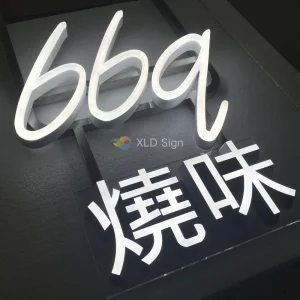
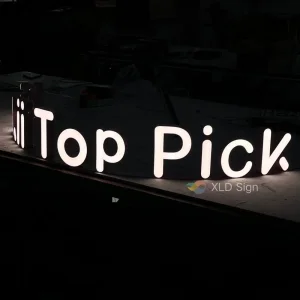
Custom Acrylic Light Box Signage Manufacturers & Engineering Partners

Next-Generation Photometric Illumination, Scalable Global B2B Supply Chains, and Architectural Grade Engineering Solutions for Premium Brands.

Who We Are: 25+ Years of Manufacturing Excellence

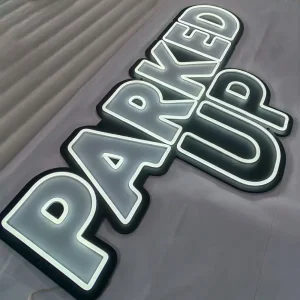
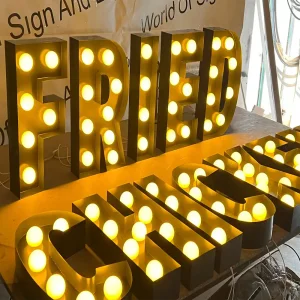
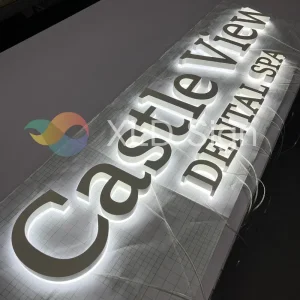
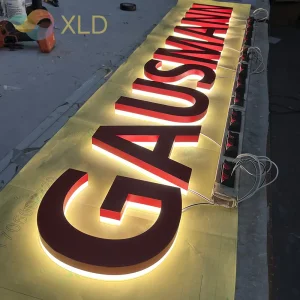
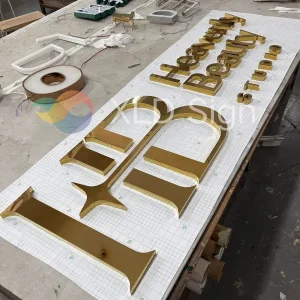
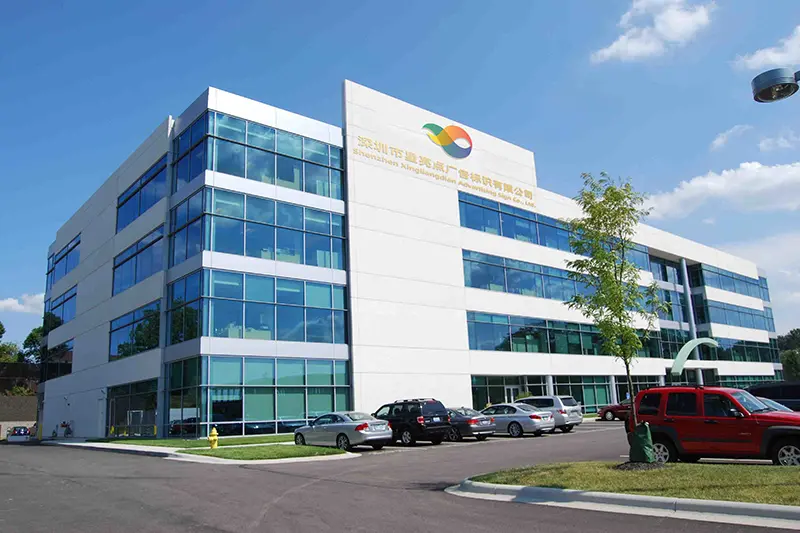
As a leading pioneer in commercial visual identity, we operate a state-of-the-art production facility covering more than 3,000 square meters. With a rich history spanning over 25 years of engineering experience in the advertising sign industry, we specialize in high-end customization of illuminated business signs, structural light boxes, and precision-engineered Acrylic Faux Neon Signage.

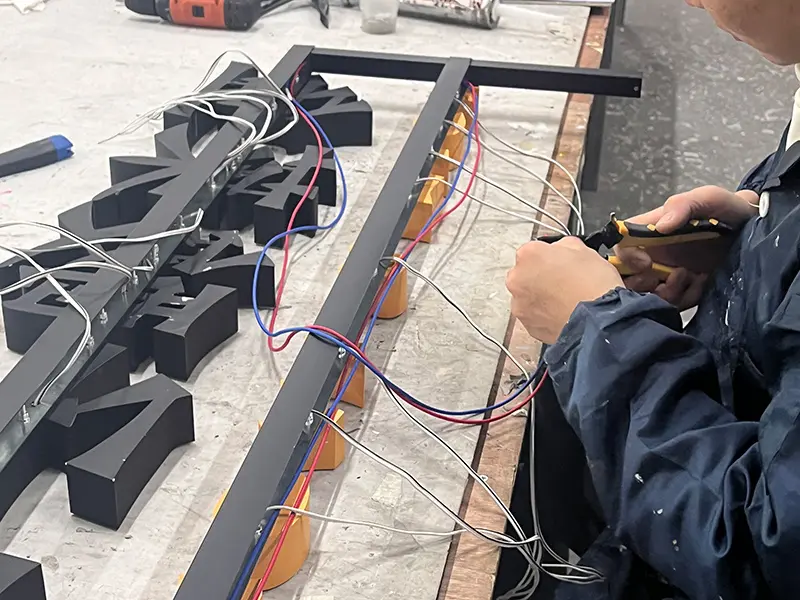
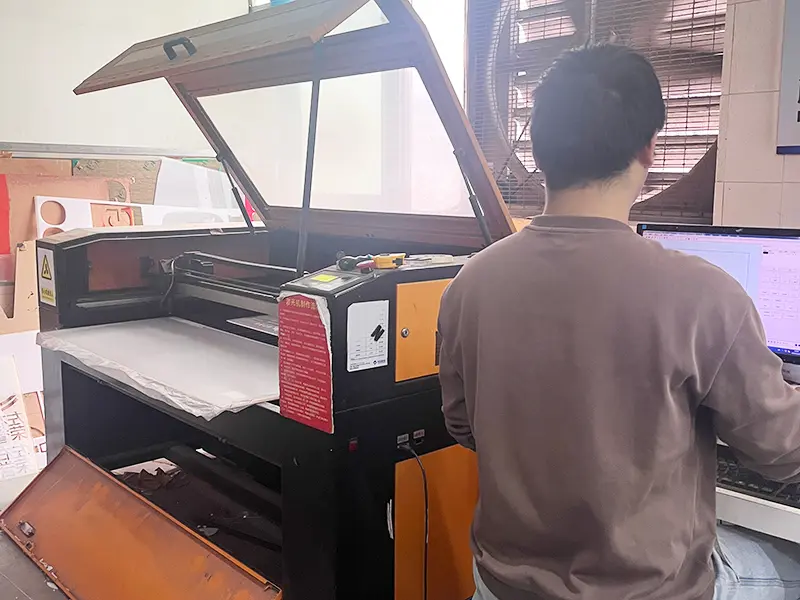
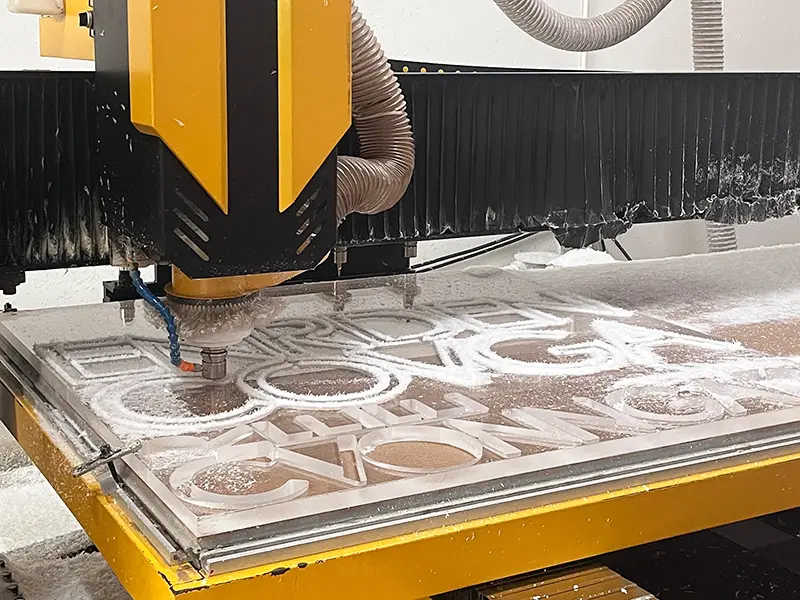
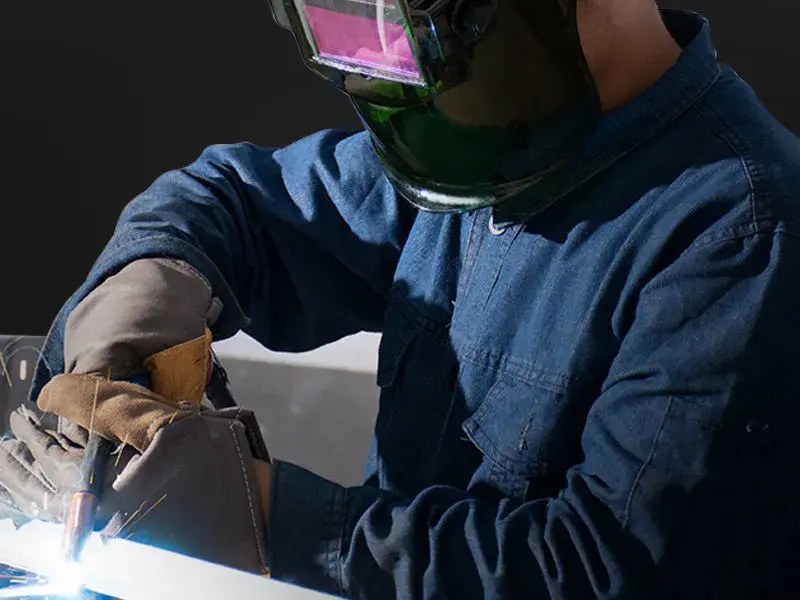
Our industrial infrastructure supports comprehensive manufacturing pipelines—integrating automated CNC routing, high-accuracy laser cutting, thermodynamic vacuum forming, and robotic metal fabrication. This scale allows us to translate complex architectural signage designs into durable, high-performance visual assets for global enterprises.
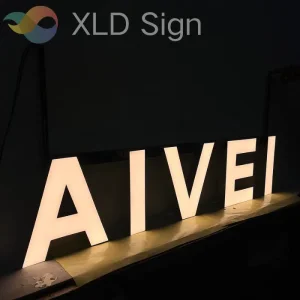
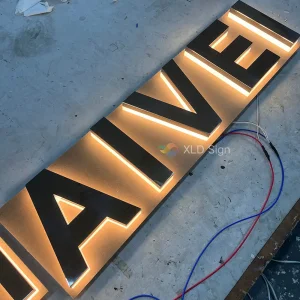
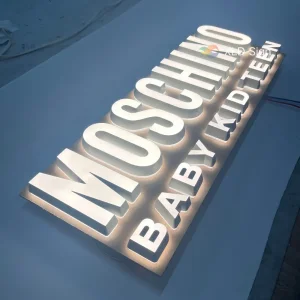
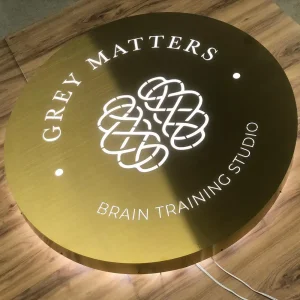
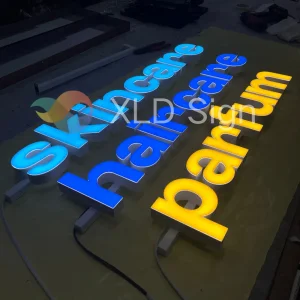
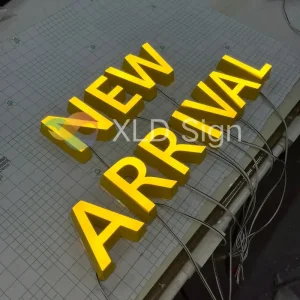
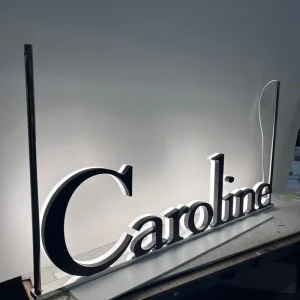
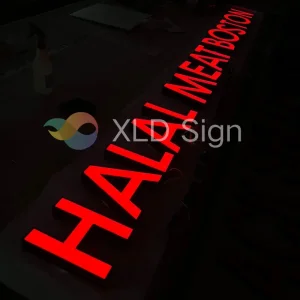
Core Product Offerings: LED Backlit Letter Signs, Frontlit & Dual-Luminous Letter Signage, Non-illuminated Architectural Metal Letters, Ultra-Slim Light Boxes, Cast Acrylic Faux Neon, and Complex Dynamic Outdoor Sign Formats.
Signage Manufacturing Factory Interior
25+
Years Industry Experience
3,000+
Square Meter Factory
100%
Global Standards Certified
500+
Enterprise Rollouts Completed

Our Advantages & Core Competencies

Why multinational corporations choose us as their primary custom acrylic light box signage manufacturer.

Direct Factory Control

Eliminate intermediaries. Our full-scale factory controls raw material sourcing, automated processing, and rigorous quality check pipelines for unmatched price-to-performance ratio.

Industrial Grade Service

Our support covers detailed CAD drawings, photorealistic digital mockups, structural validation, and rapid prototype loops designed to align with strict corporate visual identity (CVI) standards.

End-to-End Execution

From initial design consultations to mechanical engineering analysis, electrical integration, international customs shipping compliance, and installation guides, we provide a unified workflow.

OEM & ODM Customization

Leverage custom lighting matrices, programmable IC micro-controllers, non-standard mechanical mounting chassis, and materials suited for extreme geographic and environmental constraints.

Trends Shaping the Acrylic Light Box Signage Industry

Analysis of changing dynamics in architecture, retail construction, and smart city infrastructure.

01. Photometric Uniformity & Micro-Lens LGP

Traditional acrylic light boxes suffered from hot-spots and uneven luminance distribution. The modern signage landscape demands Micro-Lens Light Guide Plates (LGP) paired with high-efficiency edge-lit LEDs. This configuration optimizes internal total reflection, providing perfectly balanced light diffusion across thin profiles of less than 30mm.

02. Eco-Conscious PMMA Materials

Global environmental mandates and corporate ESG standards have pushed manufacturers toward PMMA recycling (rPMMA). Advanced chemical recycling processes yield acrylic sheets that match the optical clarity, UV stability, and mechanical strength of virgin raw materials, significantly reducing the carbon footprint of retail visual rollouts.

03. Dynamic Lighting & IoT Building Integration

Static signs are shifting toward dynamic systems. Integrating smart sensors and custom controller networks allows signs to automatically modulate light intensity based on outdoor lux levels. Support for DALI-2, DMX512, and IoT API integrations enables signage to work seamlessly with modern smart building management systems (BMS).

Global B2B Procurement Standards

What procurement officers must verify when audit-checking acrylic signage factories.

Material Spec Checking

Insist on cast PMMA over extruded acrylic for architectural projects. Cast acrylic features a higher molecular weight, resulting in superior machining tolerances, cleaner laser edges, and greater resistance to chemical cracking or crazing. This ensures your outdoor light boxes remain structurally sound for 5+ years.

Thermal Expansion Management

PMMA possesses a thermal expansion coefficient significantly greater than aluminum or stainless steel frames. Advanced manufacturers design structural gaskets and floating mounting slots that allow the acrylic sheet to expand and contract under outdoor temperature extremes (-40°C to +60°C) without buckling or cracking.

LED Thermal Management

The lifespan of a light box sign depends on heat dissipation. Heavy-duty aluminum backplates serve as heat sinks for dense LED arrays. Ensuring junction temperatures stay below 65°C keeps light output degradation minimal, maintaining 80% luminous flux over a rated lifetime of 50,000 hours.

Chromaticity & Color Rendering (CRI)

Protecting corporate visual identity requires strict color control. We use LEDs binned to a 3-step MacAdam ellipse, ensuring unnoticeable variation in color temperature (CCT) across large production runs. High Color Rendering Index (CRI > 90) yields rich, accurate logo colors.

Certified Safety & Electrical Compliance

Our commitment to international engineering codes ensures seamless architectural approvals and tenant build-out clearance.

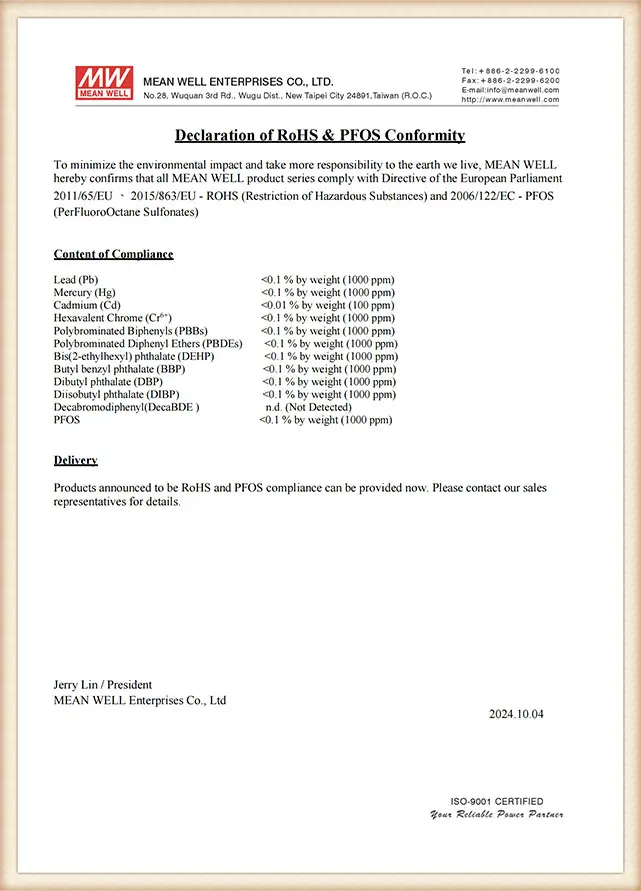
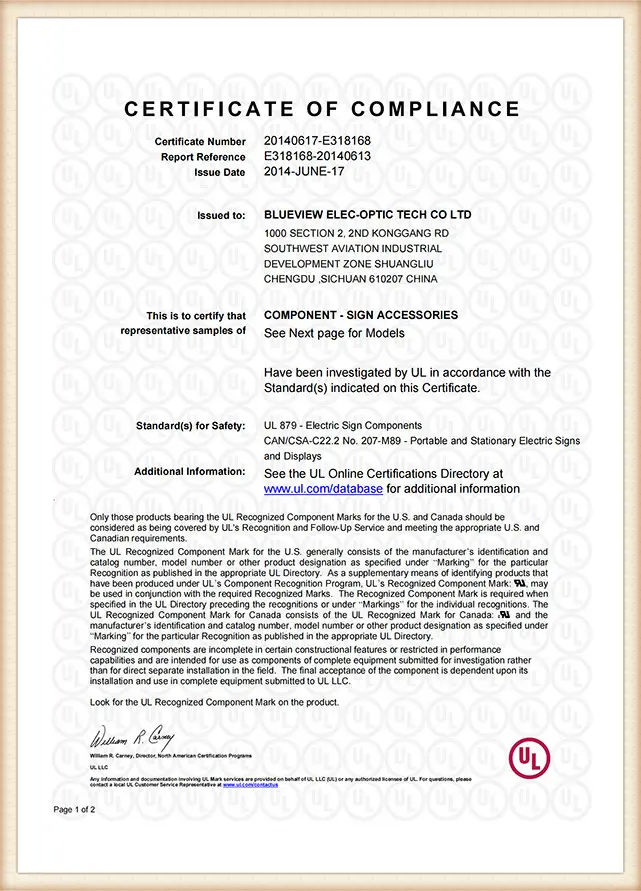
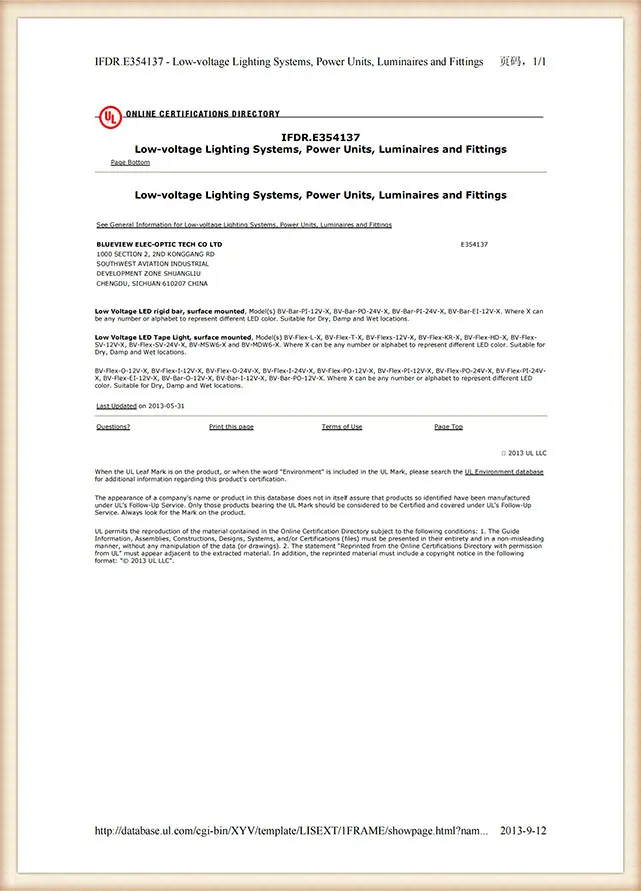
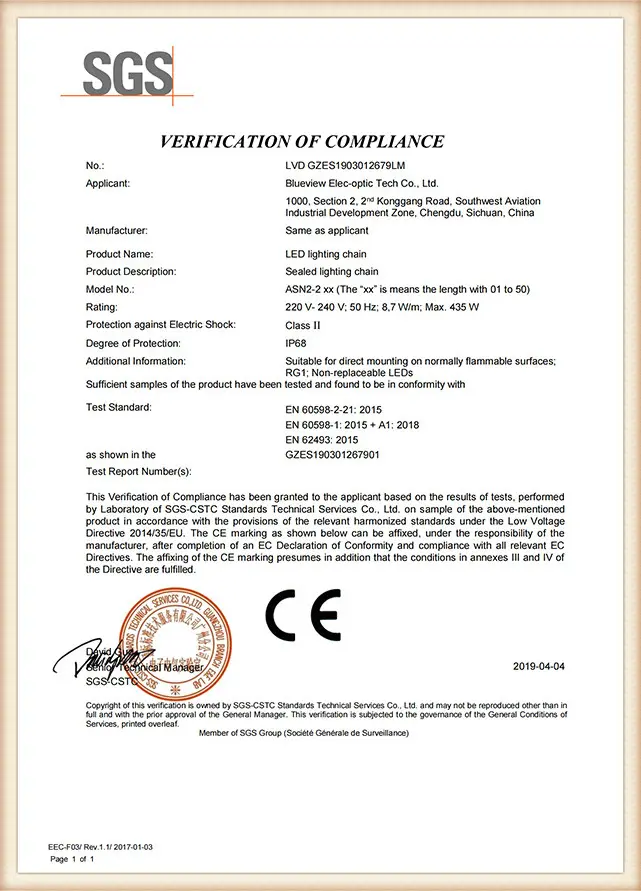
Entering global commercial markets demands rigorous compliance. Our products meet or exceed the electrical and environmental certification rules across North America, Europe, Australia, and Asia.
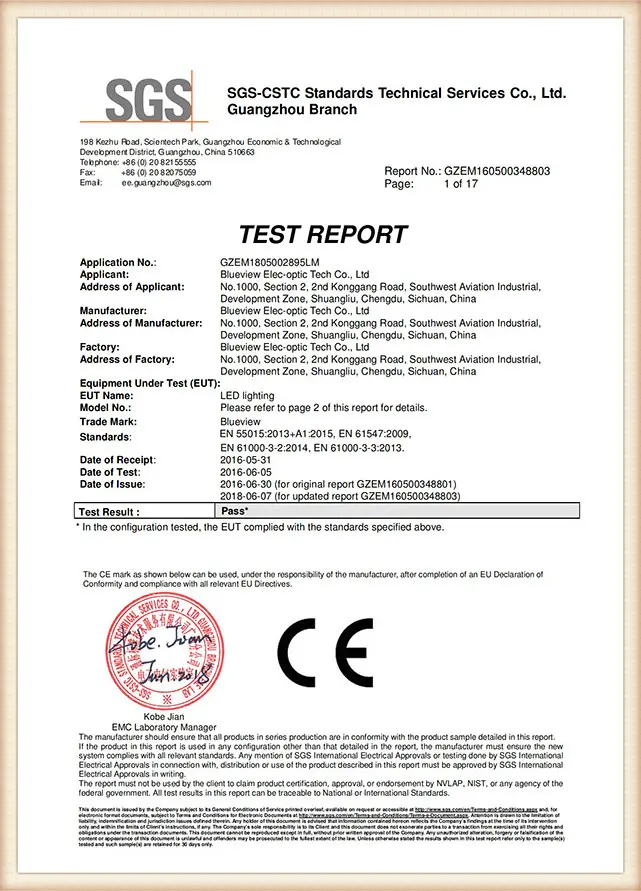
Compliance Certificate 1

UL Standard Compliance

Compliance Certificate 2

CE Mark Verification

Compliance Certificate 3

RCM & SAA Australian Standards

Compliance Certificate 4

RoHS Directive Environmental

Compliance Certificate 5

ISO Quality System Assurance

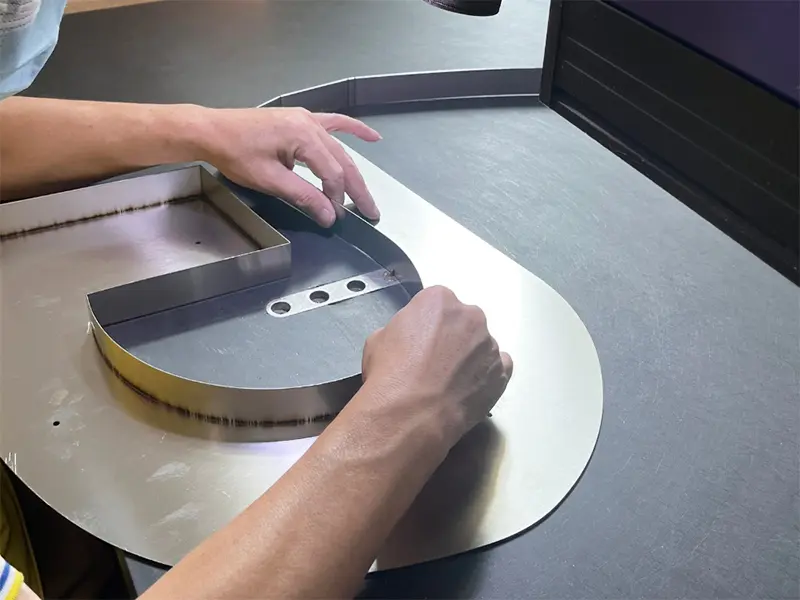
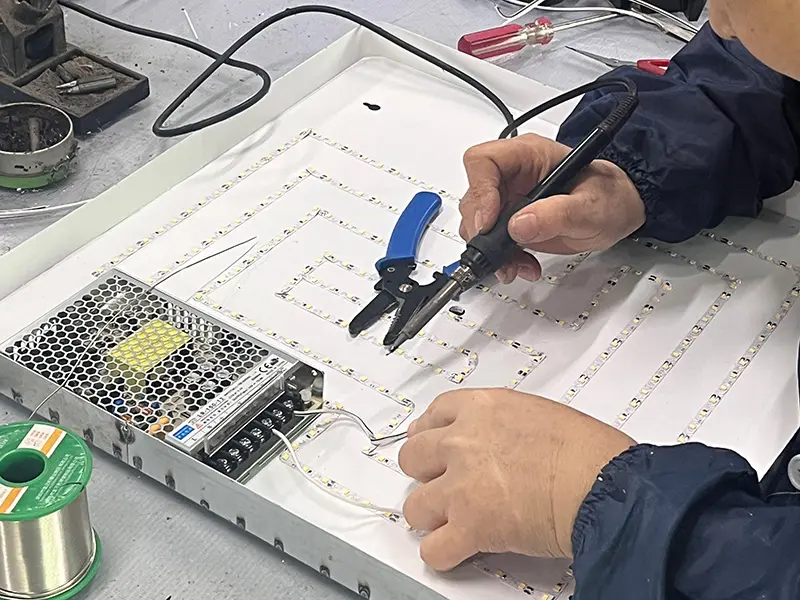
Inside Our Manufacturing Facility

Equipped with precision machinery to turn the most complex design concepts into physical reality.
Architectural Signage Solutions by Sector

How we tailor acrylic light box systems to meet unique industry environments and physical conditions.

Retail Brand Rollouts

Maintaining high consistency across multiple locations is critical. We build standard design packages with pre-engineered aluminum framing systems, modular power harnesses, and custom-binned LEDs, enabling quick regional rollout cycles with zero color variance.

Corporate Campuses

For modern corporate headquarters, architectural signage must match current building facades. We manufacture minimalist, frameless fabric-face LED light boxes, custom-edged acrylic panels, and flush-mount dynamic signage that syncs with commercial lighting grids.

Outdoor Commercial Centers

High-exposure outdoor sites demand robust weather resistance. Our outdoor light box cabinets are built with double-welded metal housings, marine-grade powder coatings, internal temperature sensors, UV-blocking acrylic lenses, and IP67 rating certifications.

Technological Roadmap & Manufacturing Workflow

A look into our engineering and manufacturing steps, ensuring quality from raw PMMA to final delivery.

Precision Fabrication Stages

  1. Design Intake & DFM Review: We analyze customer blueprints, looking at design-for-manufacturability (DFM). We confirm structural dimensions, wind load ratings, and thermal allowance.
  2. Optical Pattern Laser Etching: Using advanced laser engravers, we carve custom dot matrices on light guide plates (LGPs) to route light evenly toward the sign surface.
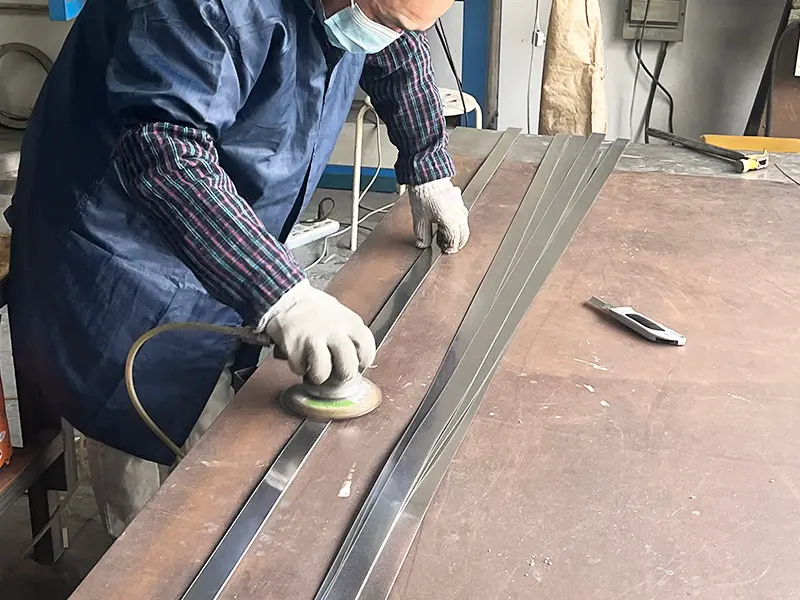
  3. Chassis Machining: Heavy-duty CNC routers mill high-purity aluminum or stainless steel panels into rigid supporting frames, followed by precision corner welding and surface treatment.
  4. LED Module Integration: We mount high-efficacy SMD LED strips on metal PCB arrays. This provides efficient heat dissipation and ensures even lux output across the display.
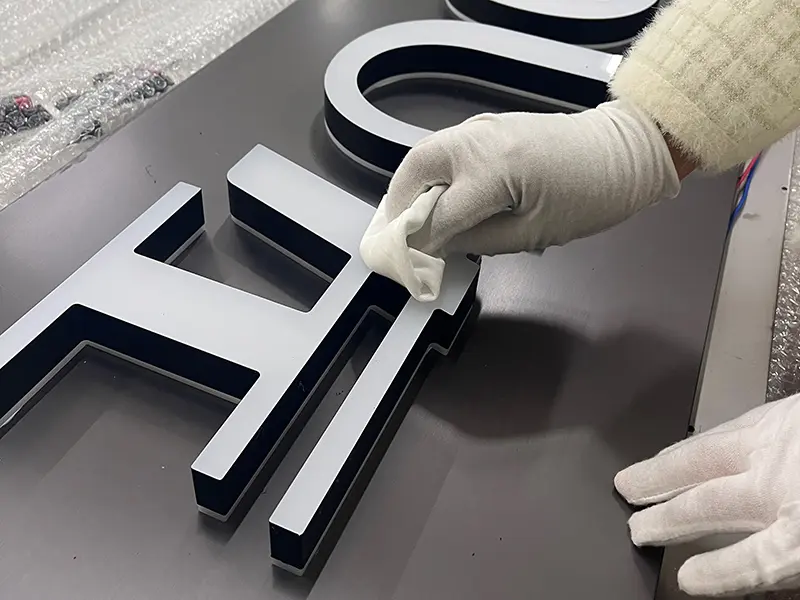
  5. Optical Assembly & Sealant: Technicians join the acrylic diffuser face with the light box chassis inside a clean environment, using waterproof, weather-resistant silicone.

Testing & Quality Control Protocols

  • 24-Hour Aging Chamber: Every light box runs at maximum brightness for 24 hours straight to verify electronic stability and reveal any early LED failures.
  • Spectroradiometer Testing: Optical sensors measure color temperature (CCT), Color Rendering Index (CRI), and luminance output to ensure brand consistency.
  • IPX5 / IPX6 Rain Simulation: Outdoor enclosures face targeted high-pressure water spray to verify structural seals and prevent internal condensation.
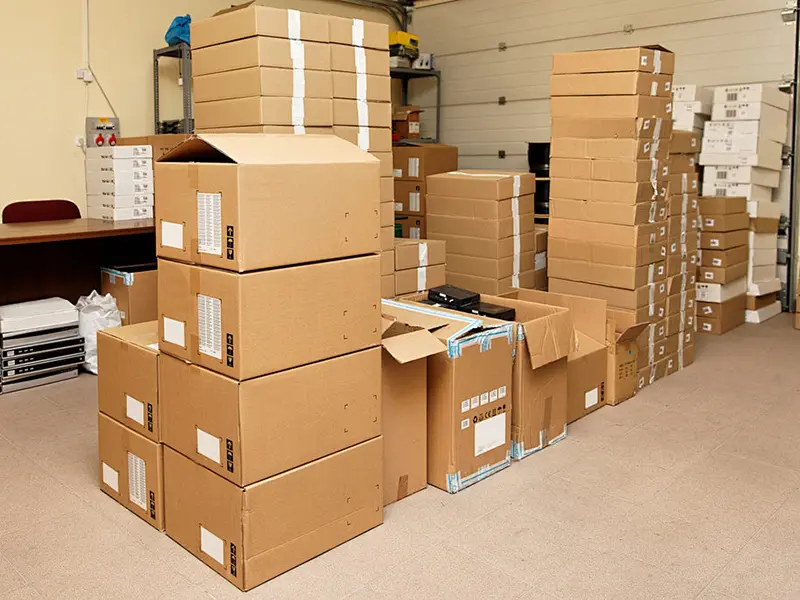
  • Packaging Drop Testing: Custom wooden crates lined with high-density EPE foam undergo standard transit vibration testing to ensure safe international shipping.

Technical Q&A: Architectural Signage Engineering

Detailed answers to complex questions on materials, lighting technology, and global compliance.

Q1: How does cast acrylic differ from extruded acrylic in structural signage applications?
Cast acrylic is manufactured by pouring liquid PMMA monomer into glass molds, yielding a high molecular weight material with superior chemical resistance, higher thermal stability, and better machining properties. It prevents the cracking, edge melting, and surface crazing commonly seen in extruded acrylic when subjected to CNC routing, laser cutting, or harsh outdoor environments.
Q2: What design methods prevent visible "hot spots" in slim light box displays?
We prevent hot spots by combining laser-etched light guide plates (LGP) with high-density LED arrays. By placing high-performance LEDs on the outer edges and using a micro-lens pattern to distribute the light, the beam spreads evenly across the acrylic surface. Adding custom polycarbonate or acrylic diffusers further blends the light, creating a bright, smooth glow across thin frames.
Q3: How do outdoor light boxes accommodate different climates and thermal movement?
Acrylic expands and contracts at a rate of roughly 0.07 mm per meter per degree Celsius. To prevent warping, buckling, or physical stress on structural joints, we build signs with floating panel mounts, elongated fastening slots, and flexible EPDM gaskets. This allows the acrylic sign face to expand and contract smoothly across a wide temperature range of -40°C to +60°C.
Q4: What are the standard electrical safety compliance rules for major global markets?
For North America, visual displays must meet UL 48 (Standard for Electric Signs) and UL 8750 (LED Equipment) certifications. European markets require CE marking, proving compliance with low voltage (LVD) and electromagnetic compatibility (EMC) guidelines. Australia and New Zealand require SAA certificates and the RCM mark. Our manufacturing pipeline matches all of these global safety requirements.
Q5: How is heat dissipation managed in high-power illuminated signs?
LED longevity relies on keeping operating temperatures low. We mount our LED arrays directly to thick aluminum backplates, which act as high-efficiency heat sinks. This setup allows heat to move quickly away from sensitive driver parts and light diodes, maintaining low junction temperatures and preventing the early dimming or color shifting that affects lesser sign designs.
Q6: Can these custom light boxes be integrated into automated smart building controls?
Yes. Our LED driver systems support standard digital protocols like DALI, DALI-2, 0-10V, and DMX512. This compatibility allows our signs to connect easily with smart building management systems (BMS), enabling automatic brightness tuning based on outdoor light levels, schedule-based control, and remote hardware monitoring.
Q7: What is the typical lead time for a large-scale international B2B retail project?
Project timelines vary based on design complexity and production scale. Design validation, mechanical modeling, and prototype approval generally take 1 to 2 weeks. Production runs for standard volumes (e.g., 50 to 200 custom units) are completed in 3 to 4 weeks. Finally, sea shipping or express air freight takes another 2 to 4 weeks depending on destination.