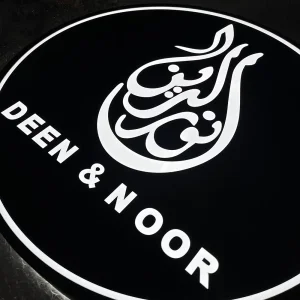
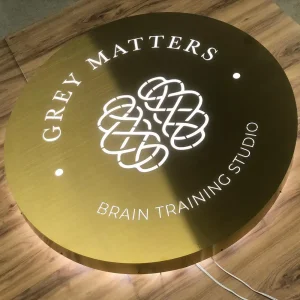
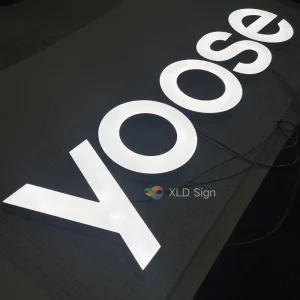
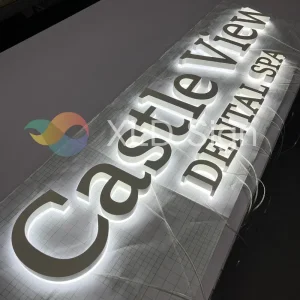
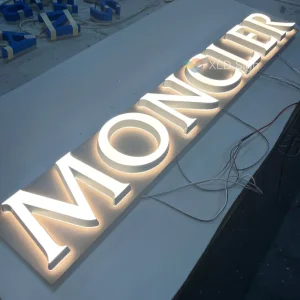
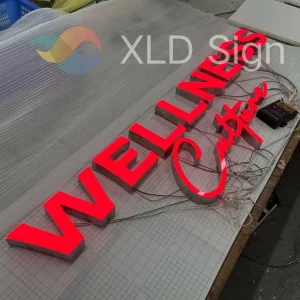
Engineered for architectural environments, utilizing state-of-the-art optical components and structural-grade frames.
In the modern landscape of commercial architectures, dynamic and structural signage operates not merely as a locator, but as a critical element of brand equity and municipal integration. The transition from legacy fluorescent, cold-cathode illumination systems to high-efficacy LED (Light Emitting Diode) modules has revolutionized the field. Current market demands push beyond basic luminosity. Large enterprise purchasers, retail rollouts, infrastructure nodes, and transit hubs require physical signage solutions characterized by high visual consistency, low carbon footprints, and exceptional life expectancy.
This document delineates the optical parameters, metalworking, environmental tolerances, and manufacturing protocols governing the production of industrial-grade light boxes. By examining LED substrate physics, laser-patterned Light Guide Plates (LGP), and automated metal extrusion lines, we present a roadmap for specifiers, architects, and procurement managers targeting stable international deployments.
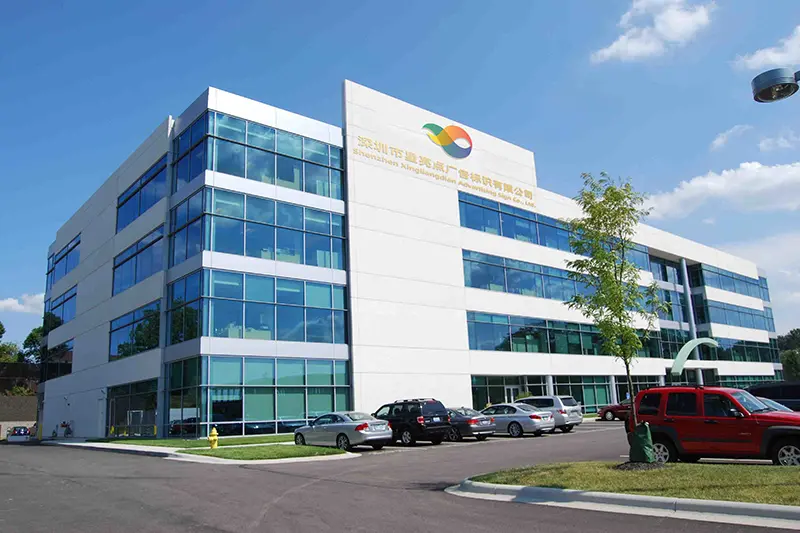
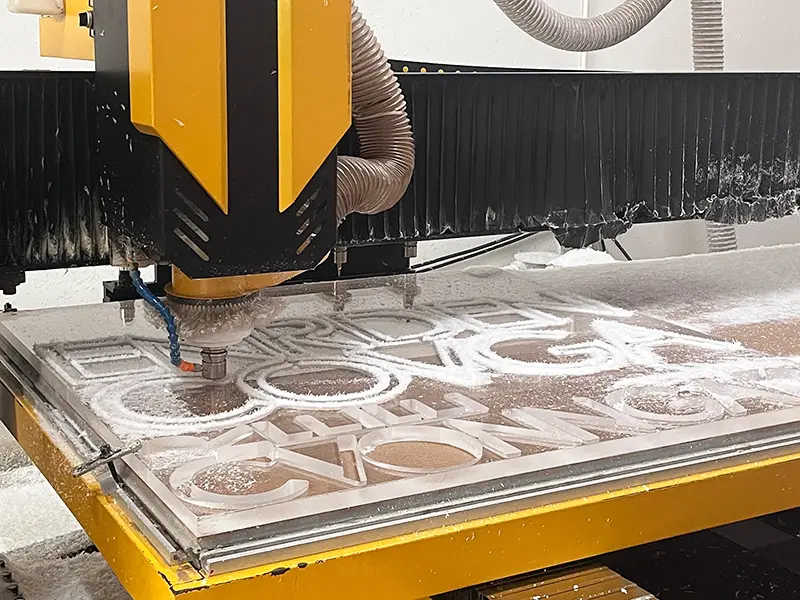
Established as a dedicated commercial signage enterprise, our facilities occupy over 3,000 square meters of optimized workspace, housing advanced metal preparation lines, precision CNC mills, vacuum forming bays, and static-free optoelectronic testing zones. Leveraging more than 25 years of fabrication expertise, our engineering teams bridge the gap between design concepts and structural installations.
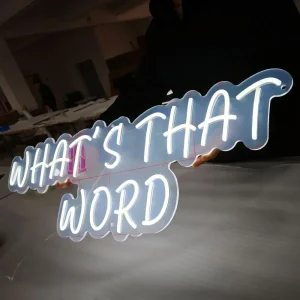
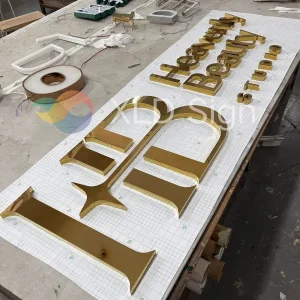
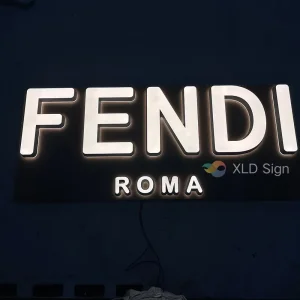
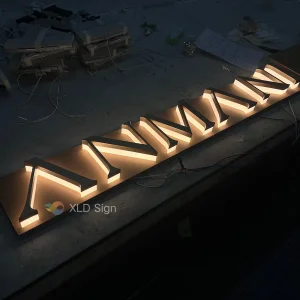
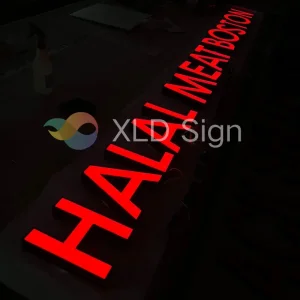
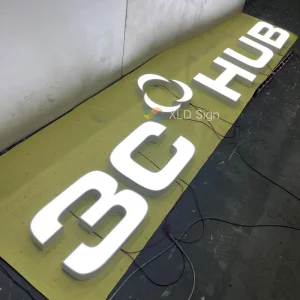
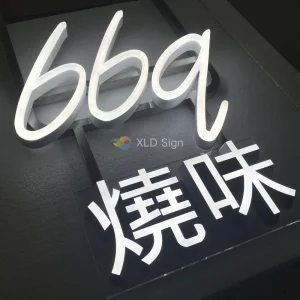
Our core manufacturing capabilities cover the complete spectrum of premium visual identities: LED Backlit Letter Signs, Frontlit Letter Signs, complex Dual-Luminous (front and back) architectural letters, Non-illuminated structural metal panels, optical Light Boxes, and precision Acrylic Faux Neon systems.
Creating a high-uniformity light box requires balancing optical diffusion, driver efficiency, and heat dissipation. Traditional methods rely on deep cabinet profiles to prevent hot-spotting. Our advanced design patterns utilize mathematical dot distributions on the Light Guide Plate (LGP) paired with high-CRI, high-efficacy LED modules, maintaining uniform luminance even in ultra-thin form factors.
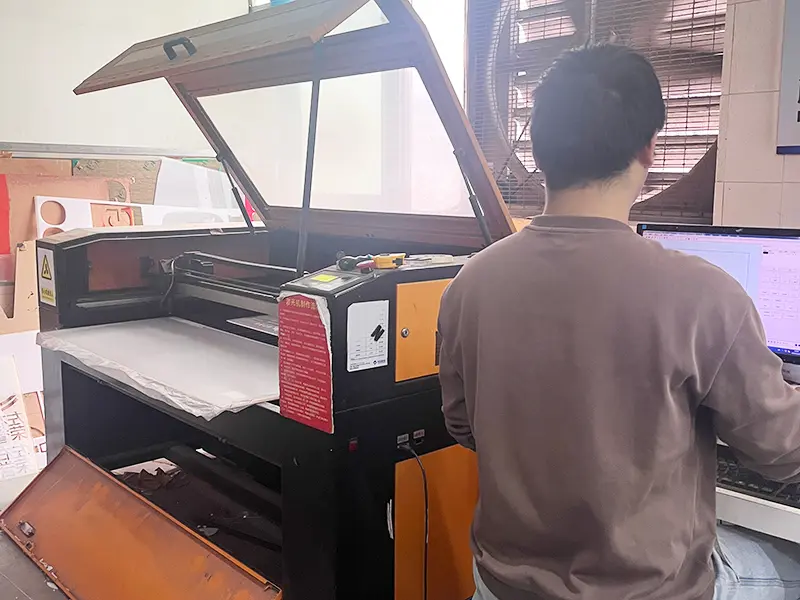
The core component of our edge-lit systems is the PMMA (Polymethyl Methacrylate) substrate. We use exclusively virgin cast acrylic panels with an optical light transmission rate exceeding 92%. Instead of standard screen-printed grid patterns which degrade under thermal cycling, our plates undergo CNC laser micro-dotting or 3D V-cutting. The density gradient of the micro-prisms increases proportionally with the distance from the LED light source, counteracting light attenuation and providing a flat, uniform luminance profile across the surface.
Color shifting is a common failure mode in multi-location corporate rollouts. We address this by sourcing LED chips within a strict 3-step MacAdam Ellipse (SDCM ≤ 3) tolerance envelope. This guarantees that every light box installed exhibits consistent color temperature, whether calibrated to a warm 3000K, neutral 4000K, or daylight 6500K. Standard configurations boast a Color Rendering Index (CRI, Ra) greater than 85, with optional premium configurations exceeding Ra 95 for high-end retail applications.
Calculated by measuring multiple test points on the luminous surface, minimizing shadows and hot spots.
Equipped with Class 2 power supply units to ensure stable current control, surge protection, and low ripple rates.
Utilizing high-tensile architectural alloys with a 15-micron minimum protective anodized coating.
Illumination and frame design requirements vary across industries. A standardized model is insufficient for diverse environments like high-traffic transportation terminals or high-humidity wellness centers. Below is our tailored approach for key market sectors:
A. Transportation and Transit Hubs: Airports and railway stations require signage to operate continuously 24/7/365. For these environments, we use dual-circuit LED redundancy. If an primary circuit faults, the secondary line instantly engages. Frames are engineered with quick-release gas spring hinges for tool-free graphics changes within 3-minute maintenance windows.
B. Luxury Retail Facades: High-end retail demands color rendering indexes above Ra 95 to display garments and cosmetics accurately. We offer slimline, magnetic fabric face light boxes (SEG - Silicone Edge Graphics) paired with internal dimming controllers (0-10V, DALI, or DMX512) for dynamic lighting integration.
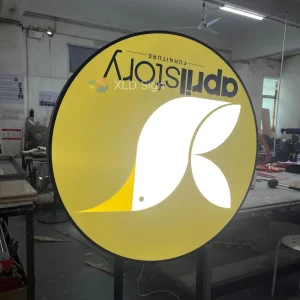
C. Exterior Architectural Signage: Outdoor installations require structural calculations to withstand wind-load forces. Our double-sided round light boxes feature internal structural steel cages and dual-seal waterproof silicone gaskets, yielding an IP65 protection rating that prevents ingress of moisture and particulate matter.
Operating out of the primary industrial manufacturing zones of China, our facility leverages an integrated vertical supply chain. We maintain long-term partnerships with raw material providers, including premium acrylic casting operations and precision aluminum extrusion plants. This direct integration bypasses intermediate distribution channels, reducing turnaround times and stabilizing costs.
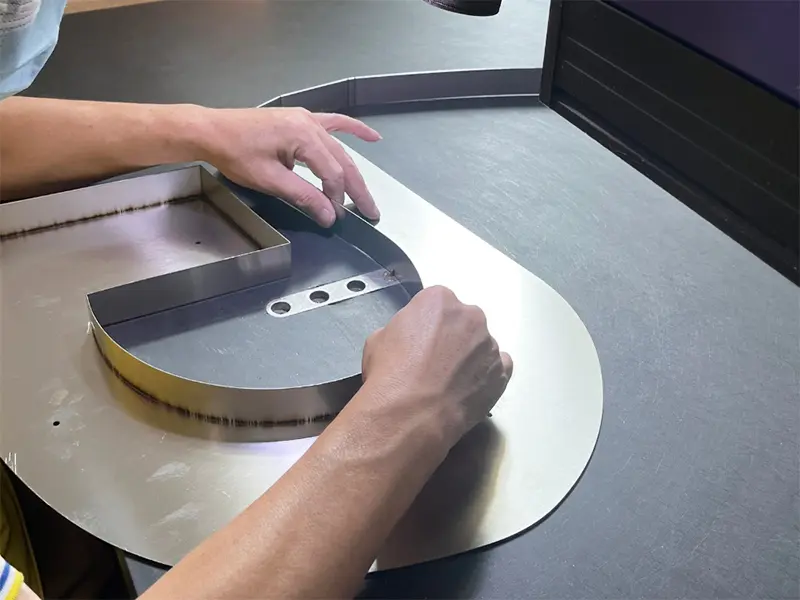
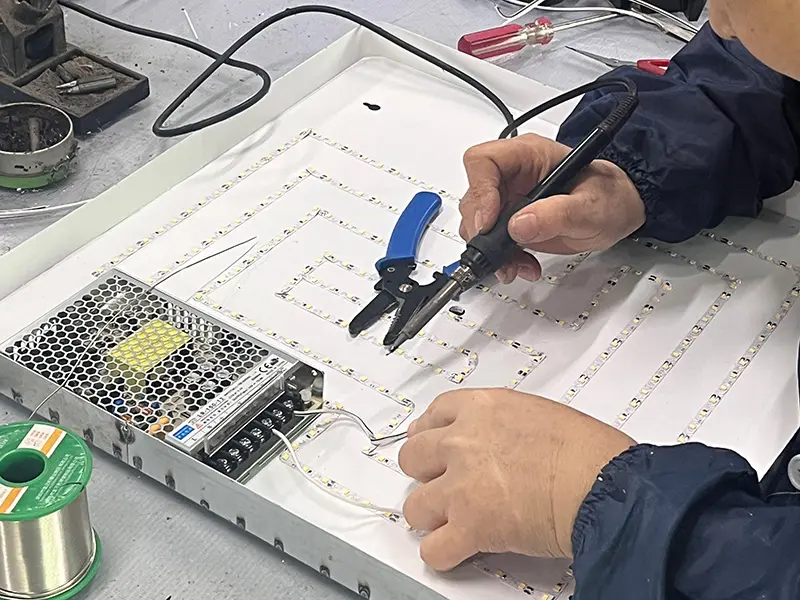
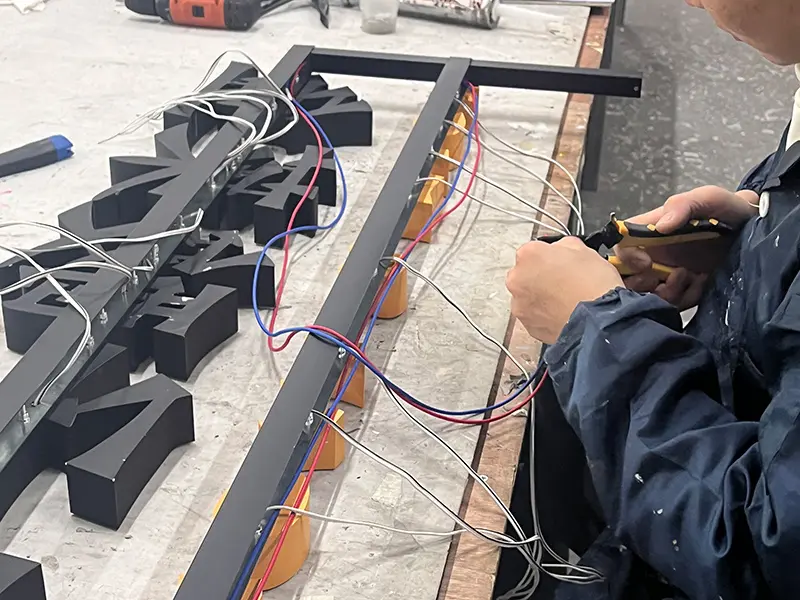
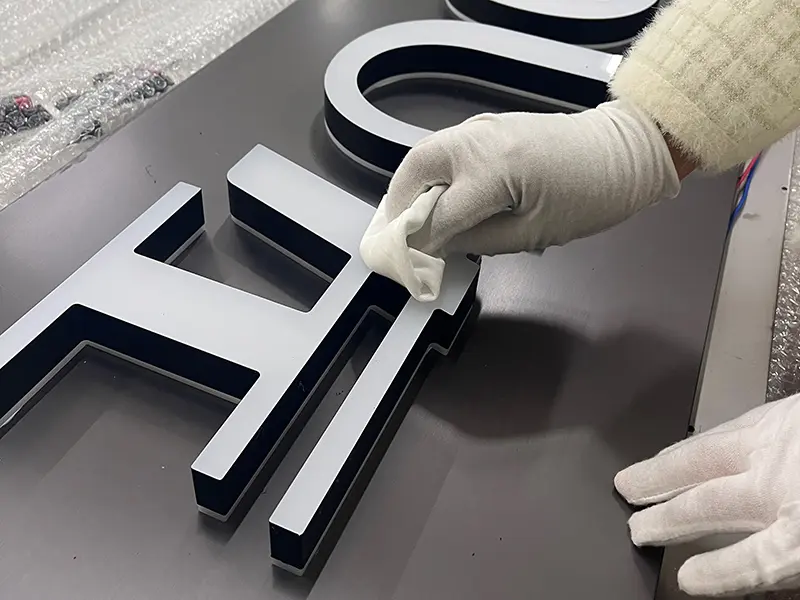
Quality Control Protocols: Each batch of raw materials is inspected upon receipt. Our CNC cutting systems process structural elements, which then move to automated bending machines. LGP fabrication occurs in a positive-pressure, dust-controlled cleaning room to prevent dust attraction, avoiding dark spot formation in the active optical field. Completed light boxes undergo a continuous 48-hour electrical aging burn-in test under ambient thermal stress to check for early component failures before packaging.
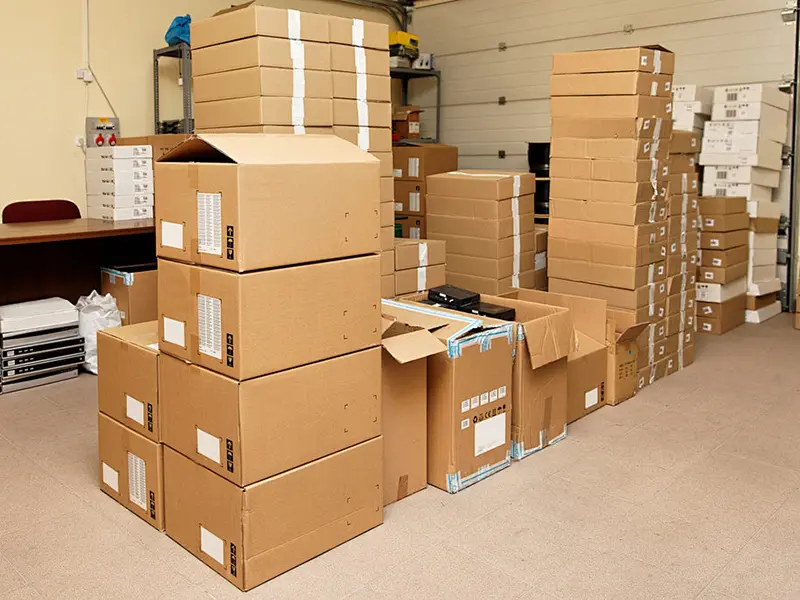
Logistics and Safety Packaging: For international ocean and air freight, light boxes are packed with custom-molded high-density polyethylene (HDPE) foam corners, wrapped in moisture-resistant film, and sealed in multi-layer corrugated cartons or reinforced timber crates (ISPM 15 certified). This protects the optical panels from drops and vibration during transport.
International procurement managers must verify that commercial signage complies with local safety, environmental, and electrical regulations. Non-compliant fixtures can lead to project delays, fines, or insurance issues. Our engineering systems are certified to meet major international standards:
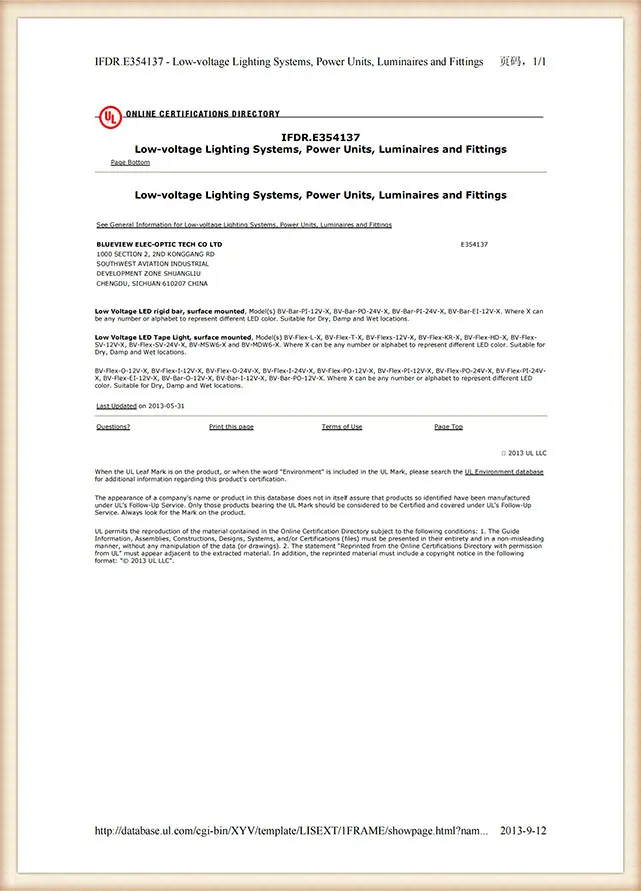
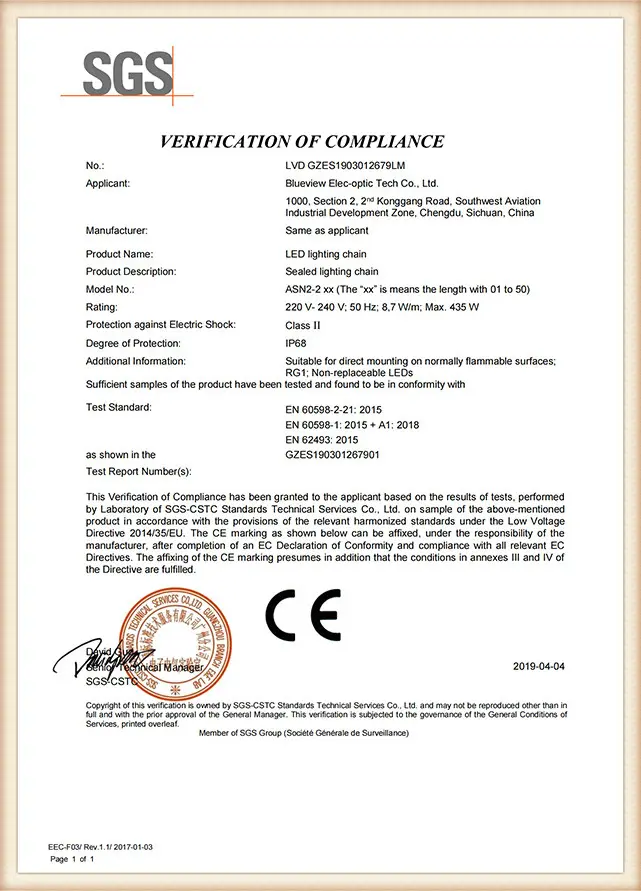
Certified to UL 48 standards for electric signs, ensuring electrical design safety across North American regions.
Conforms to European health, safety, and environmental protection directives, using lead-free soldering and materials.
Validated electrical safety compliance for seamless commercial installation in Australia and New Zealand.
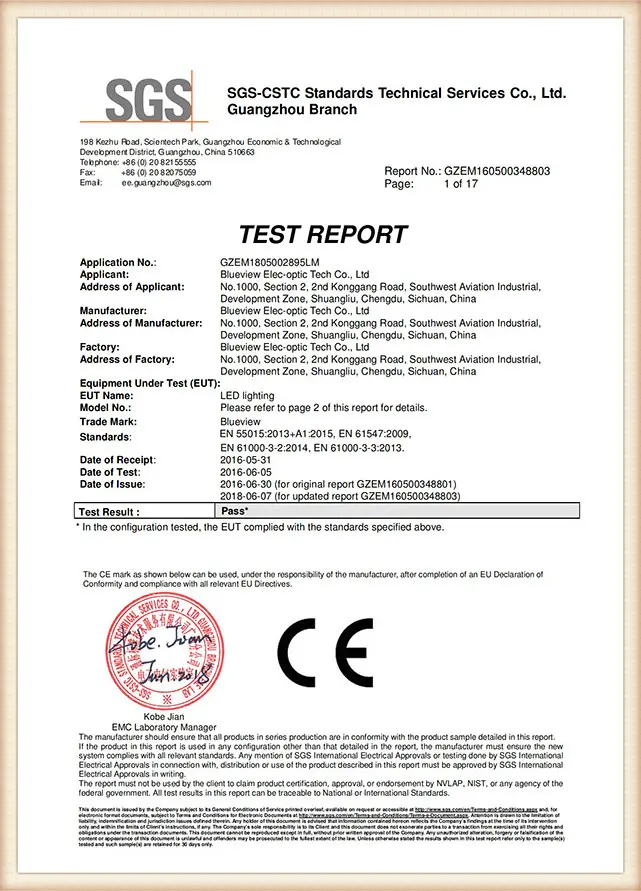
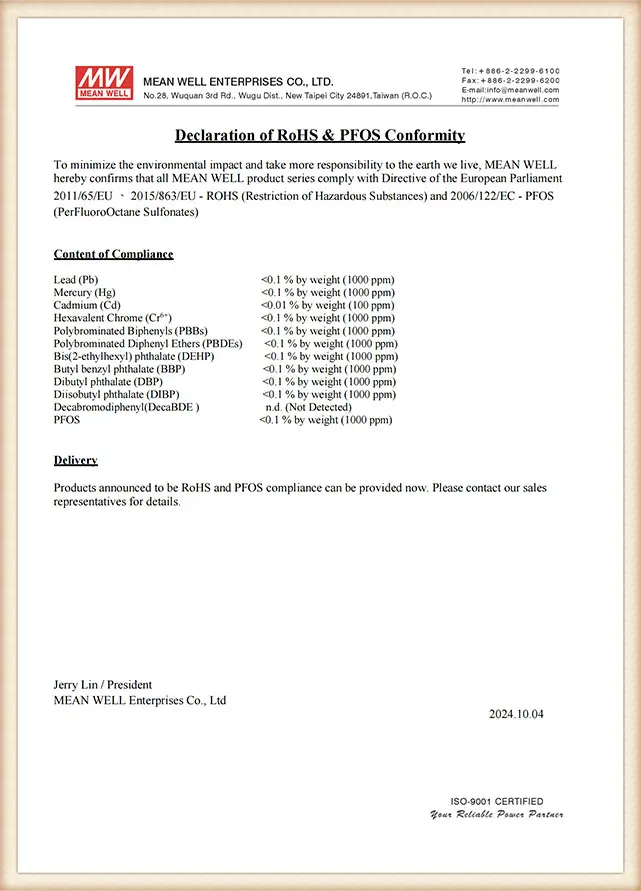
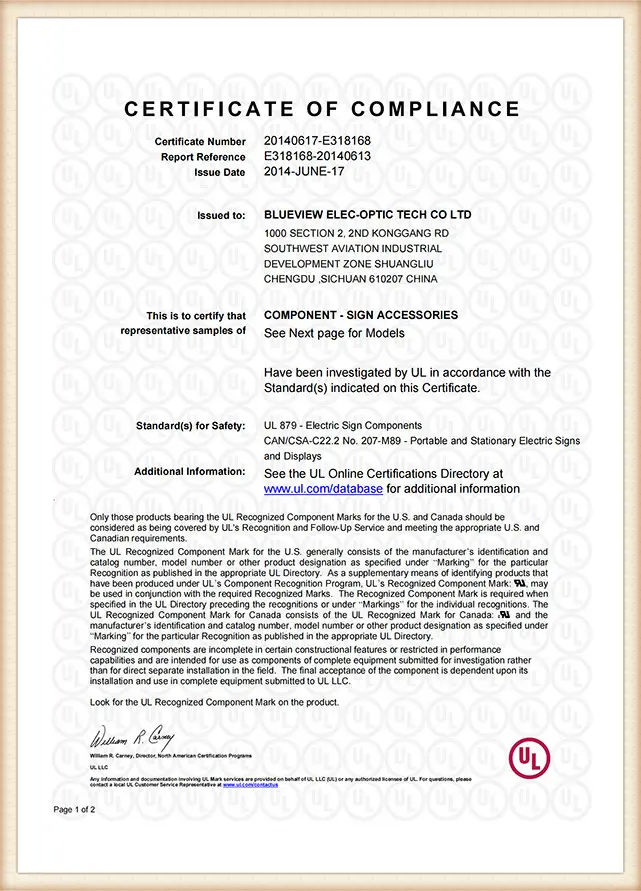
Large projects require tailored specifications. Our manufacturing system is built to support extensive OEM/ODM requirements, allowing custom adjustments to almost all design parameters:
1. CAD Design & SolidWorks Prototyping: We transform architectural drafts and concept sketches into mechanical production files. Detailed renderings and physical component samples are submitted for approval before full production runs begin.
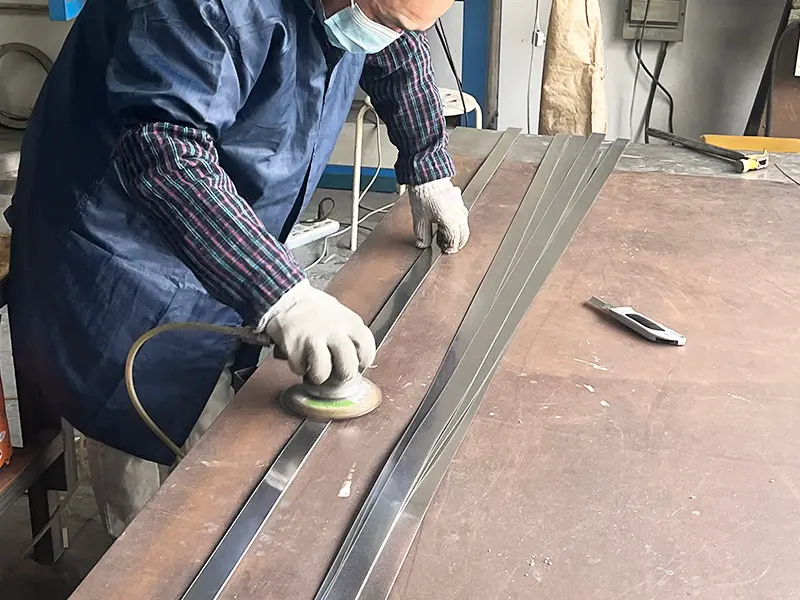
2. Material Selection Options: Clients can choose from 304 or 316-grade stainless steels, powder-coated galvanized sheets, or lightweight aluminum structures. Finishes include high-polish mirror surfaces, satin brushes, custom RAL color matches, and titanium vapor plating.
3. Electronics Specifications: We offer customizable inputs from 100V to 277V AC, constant current and constant voltage options, smart ambient light sensors, and high-efficiency dimming integrations.
Equipped with advanced production machinery, specialized lines, and an experienced QC team.
Providing reliable after-sales support and technical assistance to clients worldwide.
An experienced design and engineering team to deliver complete solutions from concept to reality.
Highly customizable manufacturing setups to match specific project demands and design systems.
The field of industrial displays is evolving toward smart, integrated, and sustainable solutions. Our research and development initiatives focus on three primary technological areas:
A. IoT Integration: Integrating diagnostic modules that monitor system metrics like operating current, internal temperatures, and lumen output. These modules transmit operational health data to central facility systems, enabling predictive maintenance before component failures occur.
B. Solar-Powered Off-Grid Solutions: Developing high-efficiency solar cells and long-life batteries integrated directly into external light box frames, providing self-contained power for remote transit and highway signage.
C. Circular Materials and Eco-Designs: Shifting production toward fully recyclable monomaterial aluminum structures and ocean-bound post-consumer recycled PMMA, reducing environmental impact and aligning with corporate sustainability directives.

Engineered for durability and visual appeal, using durable outdoor materials and long-life LED modules.
 Xinliangdian