Explore our flagship custom engineered LED solutions manufactured to exceed international quality and safety benchmarks.
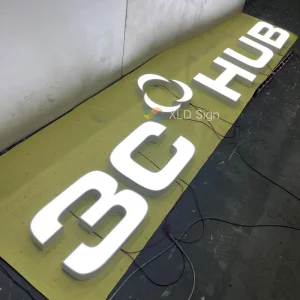
In the modern urban environment, local visibility is the cornerstone of brick-and-mortar success. With businesses competing for consumer attention in high-density corridors, Custom Double Sided Outdoor LED Signs have emerged as the premier structural asset for enhancing brand recall and capturing foot traffic from multiple traffic vectors. A double-sided layout increases visual coverage by 200%, ensuring that pedestrians and motorists approaching from either direction have direct line-of-sight exposure to the business brand.
For global procurement managers, architects, and franchise operators, sourcing commercial-grade exterior signs involves evaluating critical structural variables: electrical safety compliance, thermal management protocols, optical performance parameters under direct sunlight, and raw material longevity. This document details the engineering specifications, factory manufacturing systems, and global logistics structures required to deploy high-reliability signage networks.
Global procurement teams must navigate several technical challenges when sourcing heavy-duty outdoor signage. Low-quality imports often fail within 12 to 18 months due to improper weatherproofing and inferior electrical engineering. Key engineering parameters to specify include:
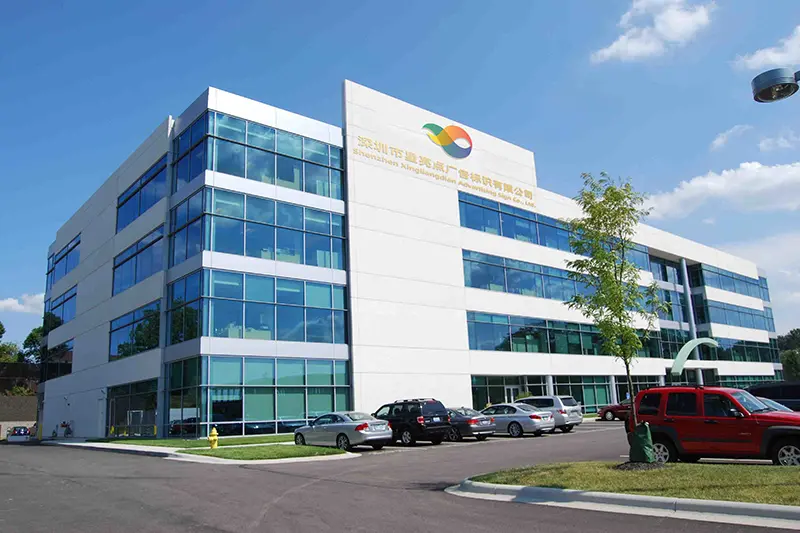
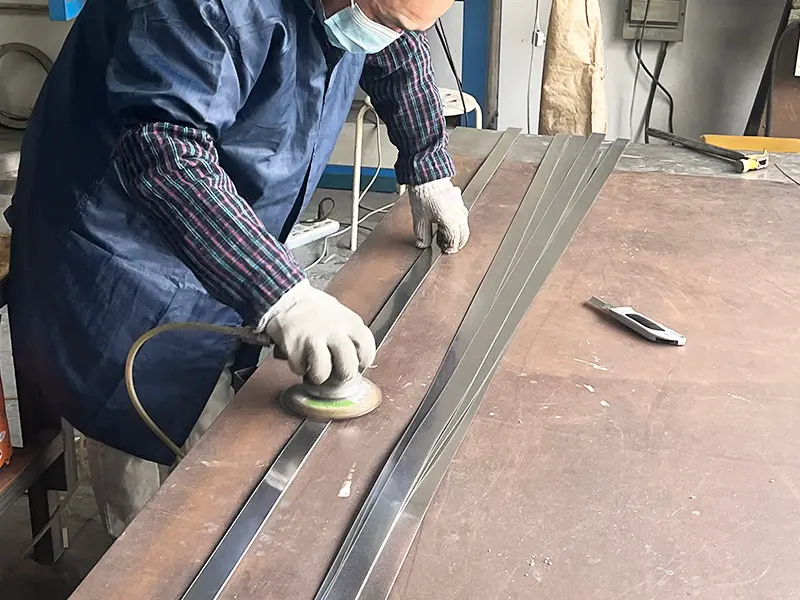
China's industrial manufacturing clusters offer significant supply-chain advantages for structural signage production. Our factory facility spans over 3,000 square meters and integrates advanced metal fabrication, acrylic processing, and electronics assembly in a single vertical workflow.
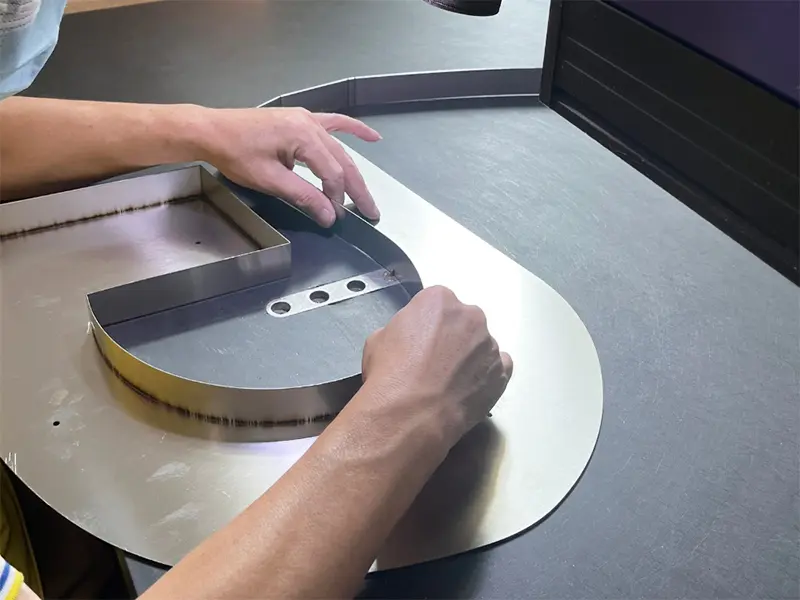
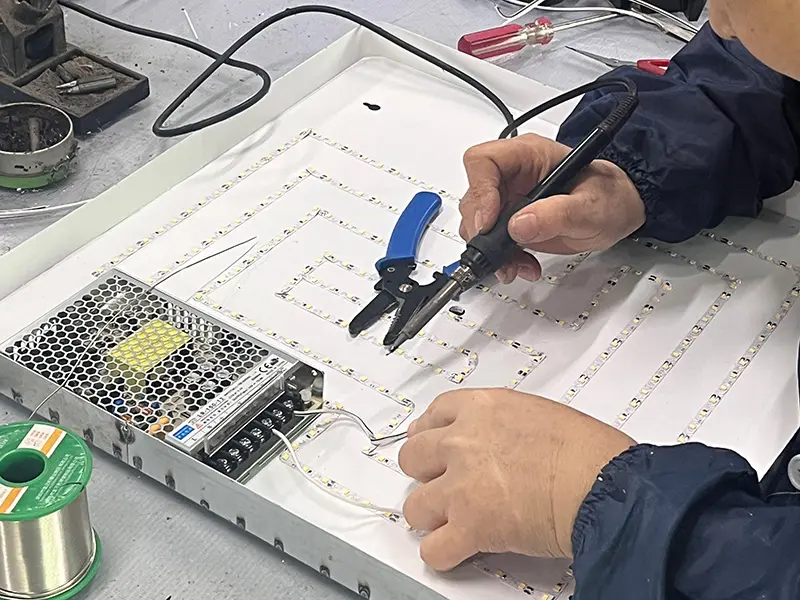
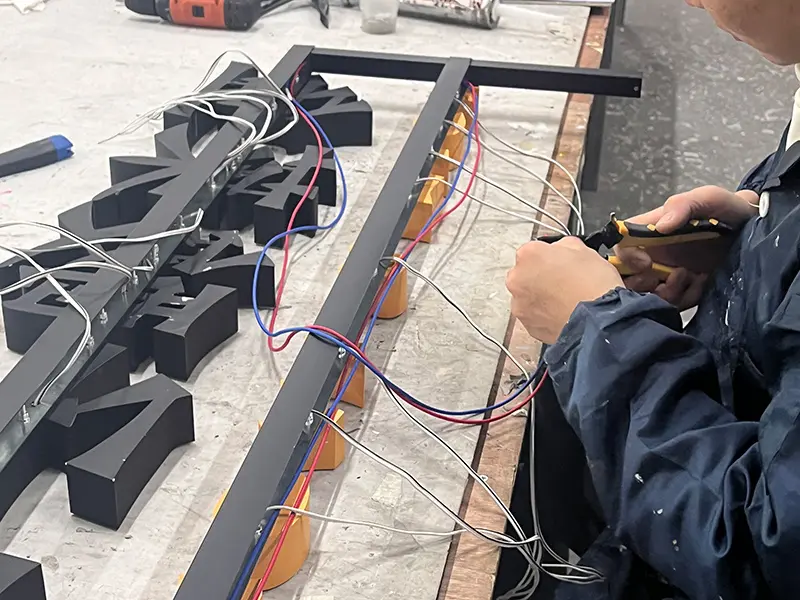
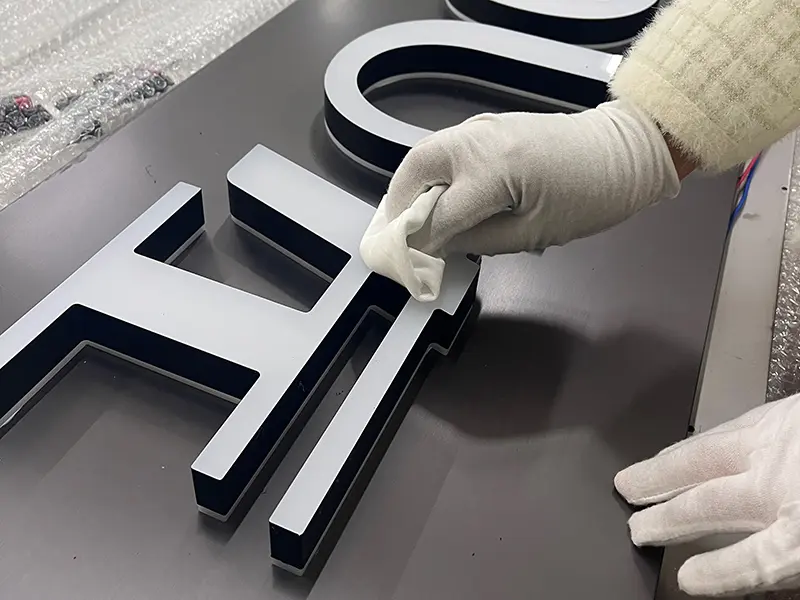
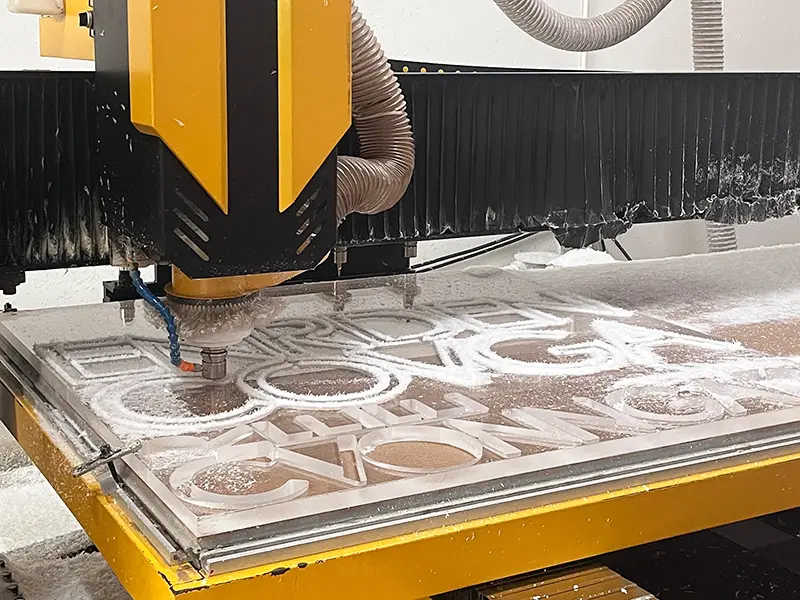
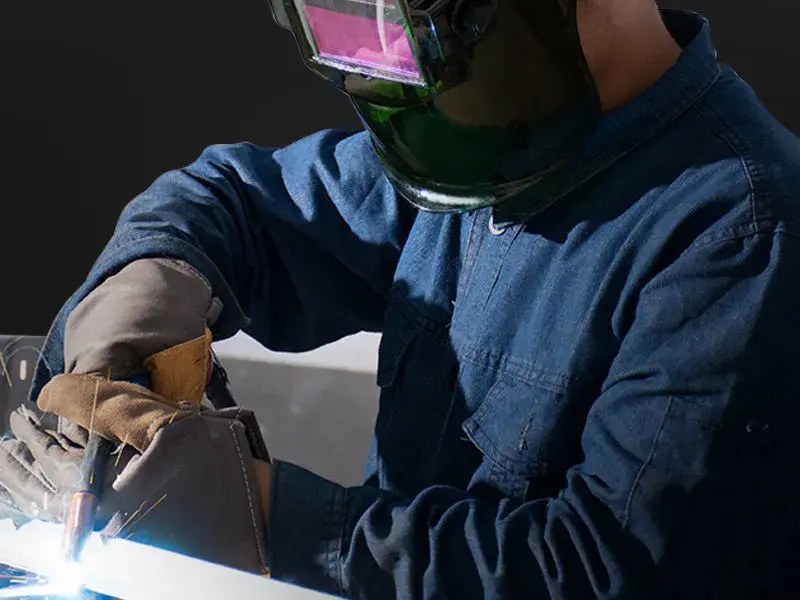
By keeping all manufacturing processes in-house—from initial 3D CAD modeling and structural design to CNC routing, laser welding, dust-free paint coating, and final electrical assembly—we eliminate middleman markups and maintain complete quality control. Our scale allows us to source high-grade raw materials (such as SUS 304/316 stainless steel, PMMA acrylic sheets, and certified LED chips) directly from top-tier material refiners. This integrated supply chain reduces production lead times by 30% to 40% compared to local domestic fabricators in Western markets.
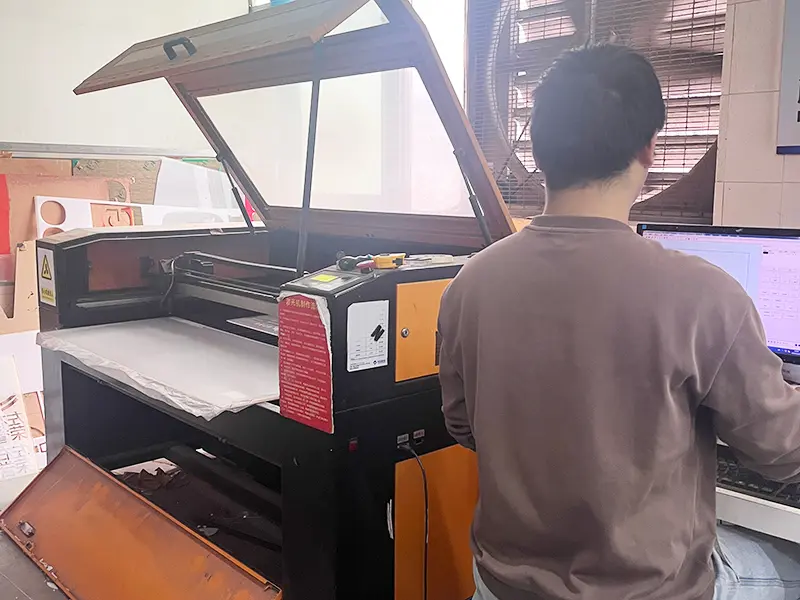
Equipped with computerized laser cutting systems, automatic channel letter bending machines, and high-precision CNC routers, our factory handles large-scale runs for international retail chains, automotive dealerships, and municipal public works projects. Every manufacturing station operates under strict QA check-points to ensure that the finished structural sign matches the approved blueprint within a 0.5mm tolerance threshold.
A primary hurdle when importing structural signage is local electrical code compliance. Unauthorized electrical products can lead to failed building inspections, municipal fines, and denied insurance claims in the event of an electrical failure. We address these concerns by certifying all components and assemblies to meet local regulatory requirements in each target market.
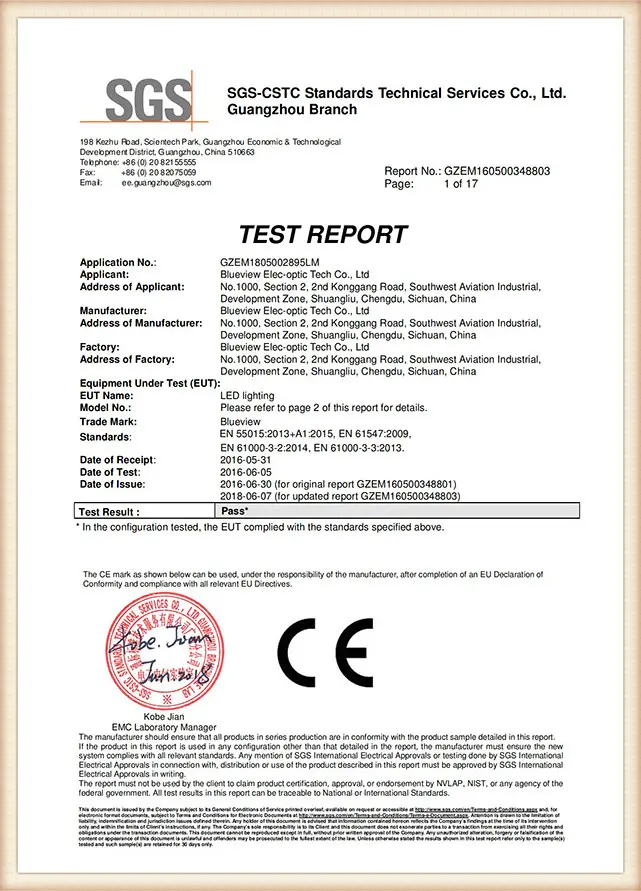
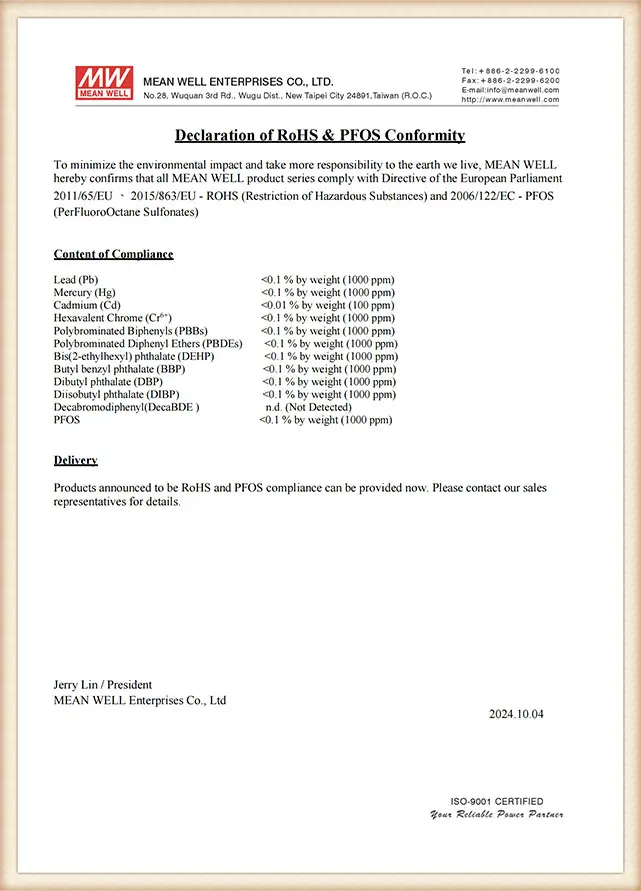
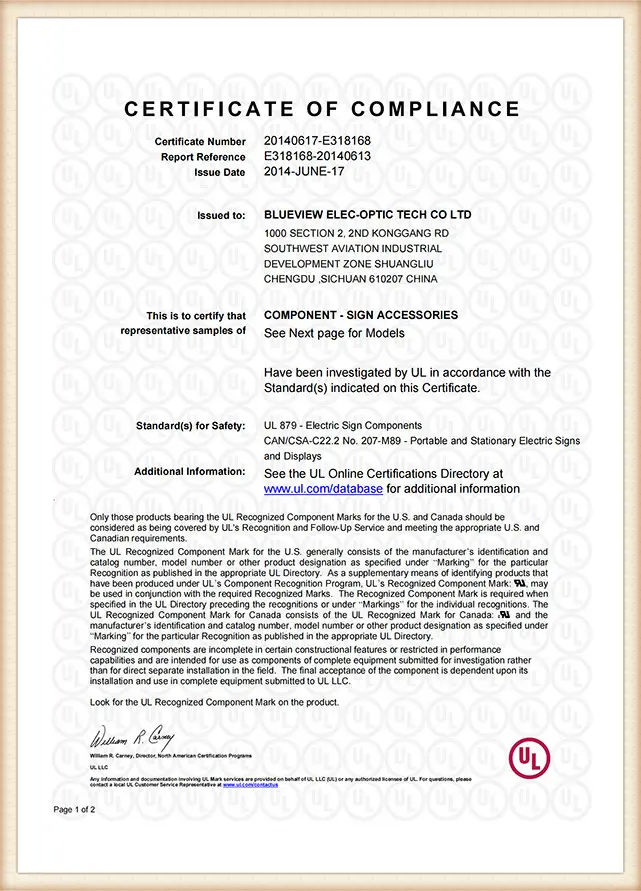
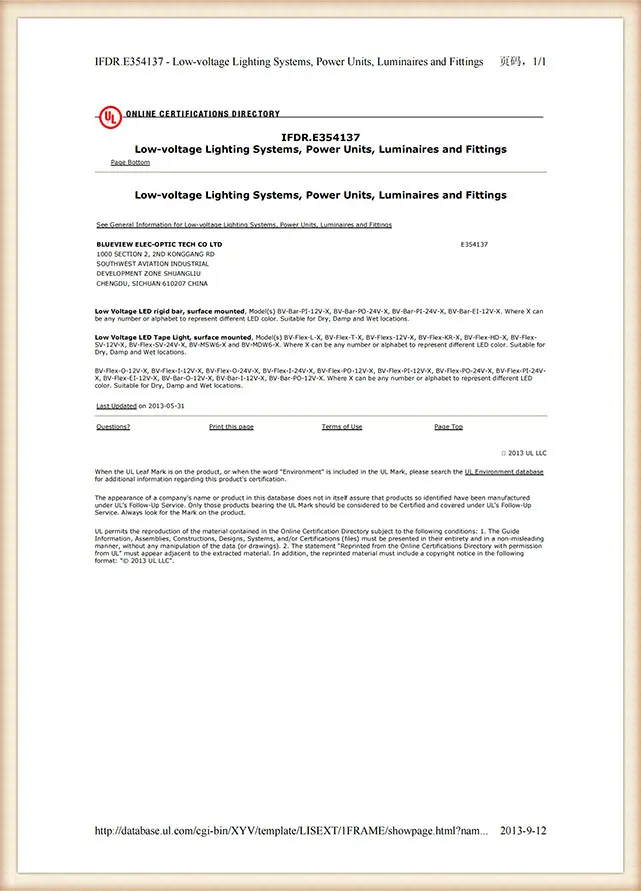
Our commitment to safety and reliability is verified by international compliance certifications, including UL (Underwriters Laboratories) for North America, CE (Conformité Européenne) for the European Economic Area, RCM and SAA for Australia and New Zealand, and RoHS compliance for environmentally hazardous substance restrictions. We mount only certified, power-factor-corrected LED drivers (such as Mean Well or comparable class-2 power supplies) inside our enclosures, ensuring safe operation and long-term reliability.
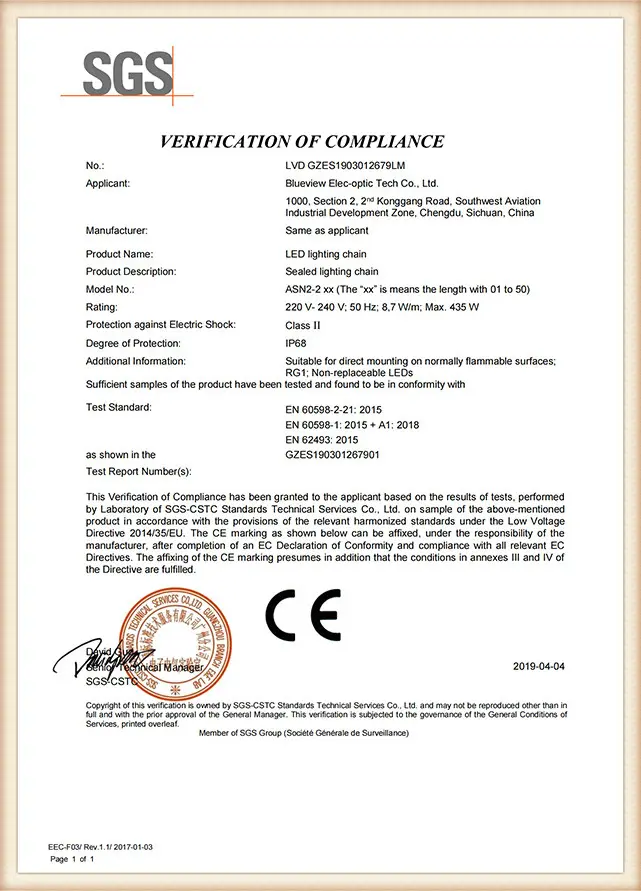
Double-sided outdoor signs are highly versatile architectural installations. Different commercial settings require customized structural profiles to optimize their visibility and meet local zoning guidelines:
The outdoor signage industry is shifting toward higher energy efficiency and smart system integration. Key developments include:
Why international brands, architects, and industrial procurement agents choose our factory as their primary signage manufacturing partner.
Equipped with advanced sheet-metal cutting, CNC routing, and automated channel-bending machines. We control costs and quality at the source.
Every piece undergoes a continuous 48-hour electrical burn-in, salt-spray durability testing, and optical lux-uniformity inspections before packing.
Our engineering team converts your vector assets and architectural concepts into precise, build-ready structural shop drawings and wiring schematics.
Flexible support for material finishes, custom sizing, complex curves, specific paint matching, and localized installation bracket configurations.
Critical engineering and logistics answers for international procurement agents and signage professionals.
Discover our range of illuminated letters, display boards, and custom architectural signage designed for high visibility.
 Xinliangdian