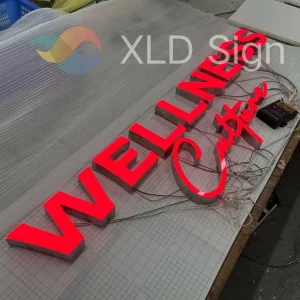
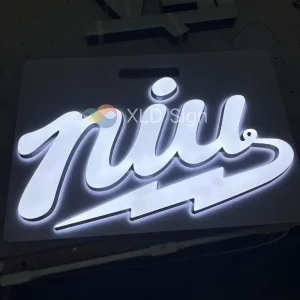
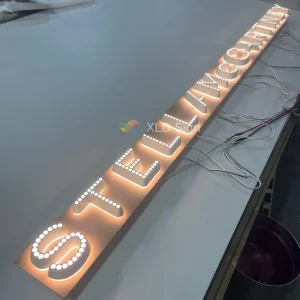
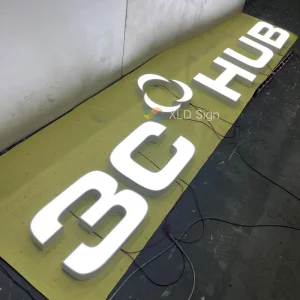
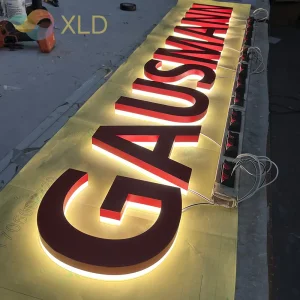
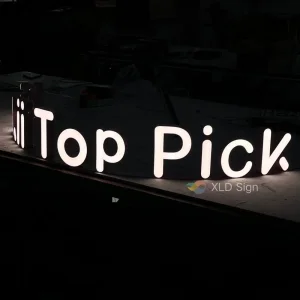
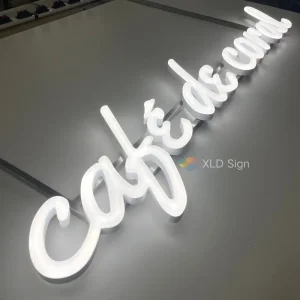
Explore our core custom engineered illuminated signage range, built to exacting commercial standards with absolute color consistency and global certifications.
In the modern retail, exhibition, and corporate spatial design sectors, visual communication has shifted away from traditional heavy-framed light displays. Today, the custom frameless fabric light box represents the pinnacle of clean, high-impact display technology. Known interchangeably as Silicone Edge Graphic (SEG) light boxes, these systems employ an ultra-thin perimeter frame constructed of extruded aluminum, inside of which a tensioned fabric graphic is secured via a thin silicone bead. The resulting aesthetic is completely borderless, maximizing display surface area and integrating seamlessly into modern minimalist architectures.
As a leading custom frameless fabric light box supplier, we understand that B2B buyers—ranging from corporate architects and luxury retail designers to display distributors and global trade show organizers—demand more than just a metal frame and light source. They require an optimized balance of thermodynamic engineering, optical science, color accuracy, and structural integrity. In this whitepaper, we dissect the design parameters, technology pathways, and global supply economics that govern this industry.
The global demand for high-end signage solutions is expanding rapidly. Emerging markets are experiencing a rapid upgrade of retail infrastructure, while developed economies in North America and Western Europe are pivoting heavily toward sustainable, modular, and high-efficacy visual systems. The shift towards frameless fabric light boxes is driven by a critical financial realization: shipping heavy, fully-assembled glass or acrylic light displays across continents is cost-prohibitive. In contrast, frameless SEG systems can be shipped flat-packed, drastically reducing carbon footprints and B2B shipping logistics fees.
The global industrial chain for fabric light boxes relies on specialized nodes. Aluminum extrusion hubs produce the high-grade 6063-T5 aluminum profiles that form the skeleton of the system. Concurrently, LED manufacturers develop high-efficacy edge-lit and backlit matrices with custom optical lenses that distribute light uniformly across large textile expanses without creating hot spots. Finally, textile chemistry and dye-sublimation print technologies yield stretchable polyester fabrics that can absorb ink deeply, providing high-contrast color densities when back-illuminated.
To evaluate a custom frameless fabric light box supplier, structural engineers and designers must look closely at technical specifications. A standard display includes several critical subsystems:
The engineering roadmap of fabric light boxes is converging with dynamic LED technologies and green materials. As developers of commercial display spaces demand circular-economy compliance, manufacturers must adapt. The industry is currently experiencing three key development vectors:
Historically, PVC materials were used to form the perimeter beads of SEG graphics. Leading-edge factories are transitioning to silicone or thermoplastic elastomer (TPE) alternatives that can be incinerated or recycled safely. Similarly, woven fabrics made from 100% post-consumer recycled PET (polyethylene terephthalate) bottles are replacing virgin polyester yarn. A brand can update its advertising imagery without disposing of the aluminum frame, simply swapping the fabric graphic which is lightweight, highly compressible, and recyclable.
Static lighting is evolving into interactive installations. The integration of addressable RGBW LEDs, controlled via local microcontrollers or cloud-based IoT software, allows frameless light boxes to transition from displays into dynamic digital art pieces. Programmed light shifts can emulate morning light, artificial motion behind the textile, or flash patterns that mirror promotions. Smart light boxes now adjust their brightness dynamically based on ambient lighting conditions, reducing energy consumption by up to 45% during off-peak hours.
Architects constantly push the limits of profile thickness. Innovation in side-firing high-lux LEDs allows profiles to shrink from standard 80mm depths down to 25mm, without sacrificing uniformity or introducing shadow zones. This permits surface-mounted light boxes to meet strict building safety codes, such as the Americans with Disabilities Act (ADA) requirements in egress pathways, which restrict wall projections to less than 4 inches (101.6mm).
Custom frameless light boxes are highly adaptable across different environments:
We are a professional factory covering an area of more than 3,000 square meters with more than 25 years of production experience in the advertising sign industry. We specialize in customizing a variety of illuminated business signs, light boxes, and Acrylic Faux Neon Signs. With comprehensive manufacturing capabilities, we can customize any unique business advertising sign.
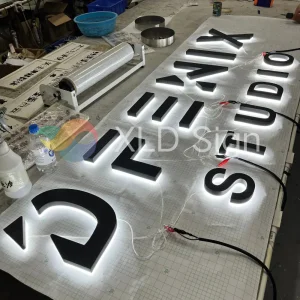
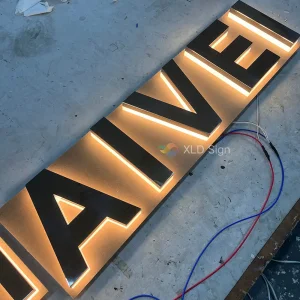
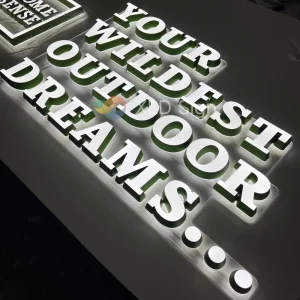
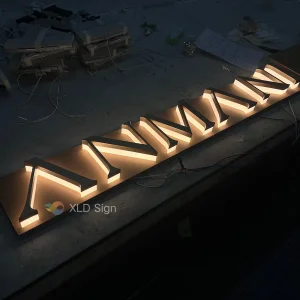
Main Products: Our main products include LED Backlit Letter Signs, LED Frontlit Letter Signs, LED front and back luminous letter signs, Non-illuminated Metal Letter Signs, Light Boxes, Acrylic Faux Neon Signs and other creative business signs. Our equipment is tailored for high-volume custom production, ensuring fast lead times, structural safety, and high-efficiency performance.
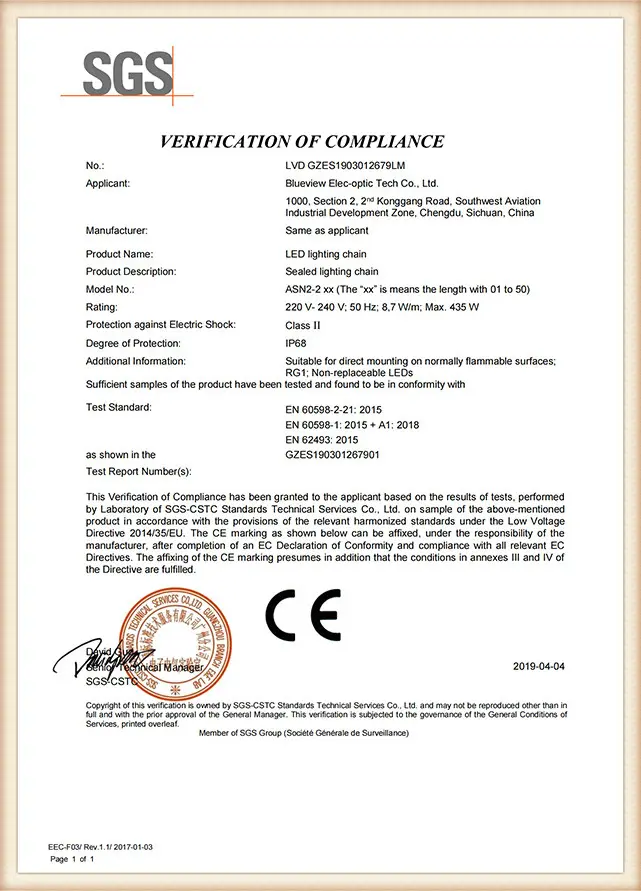
Our commitment to quality, electrical safety, and environmental compliance is demonstrated by our certifications, enabling us to export to strict markets globally.
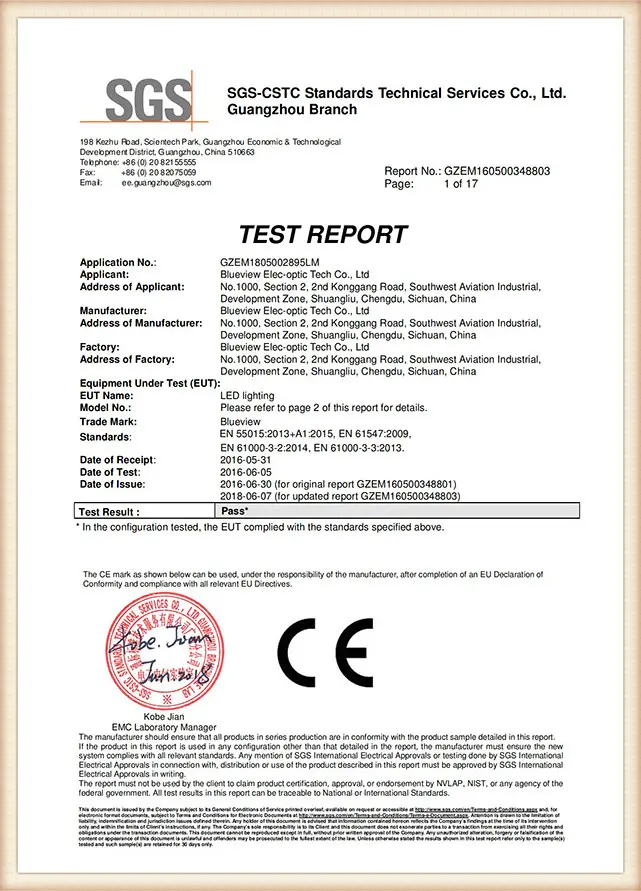
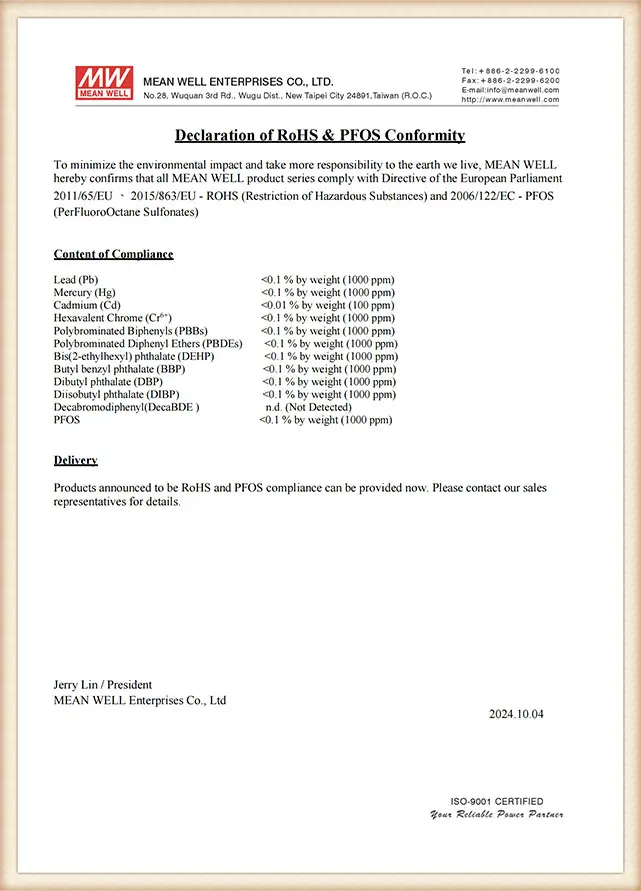
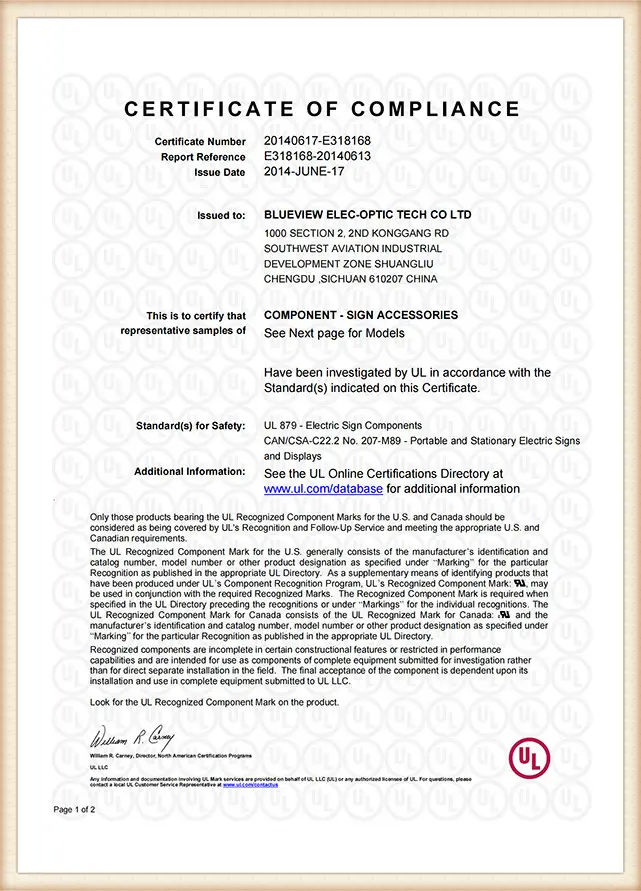
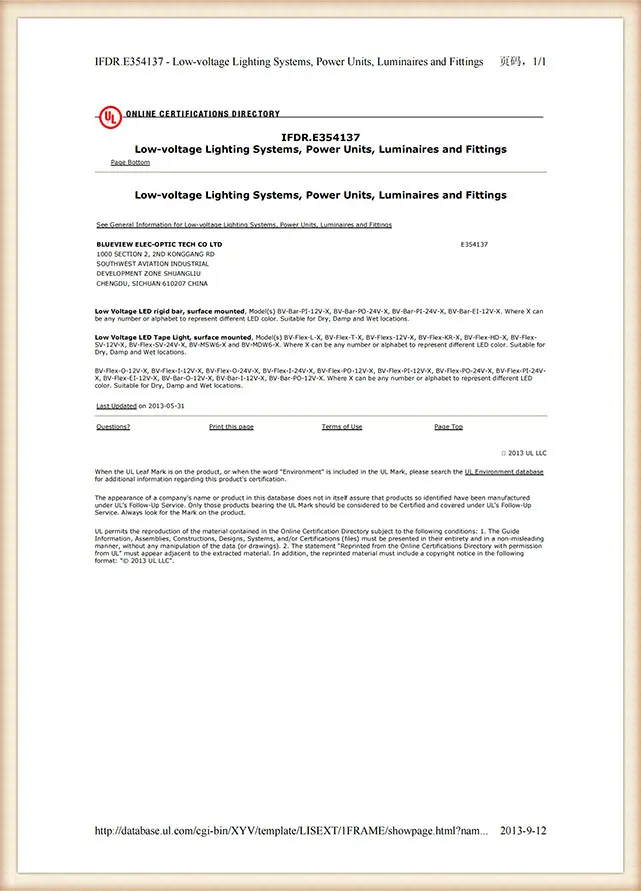
Equipped with state-of-the-art CNC machining, laser welding, and automated UV flatbed printing machines, our facility brings your concepts to life.
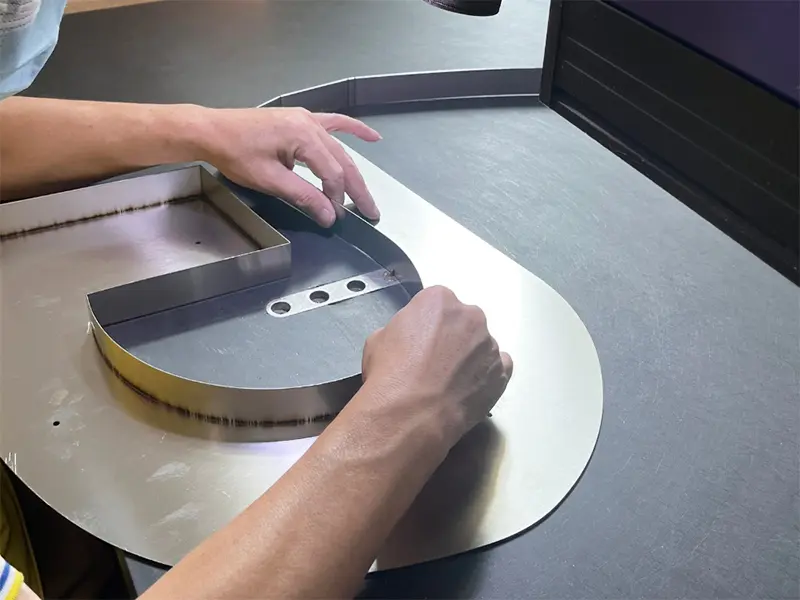
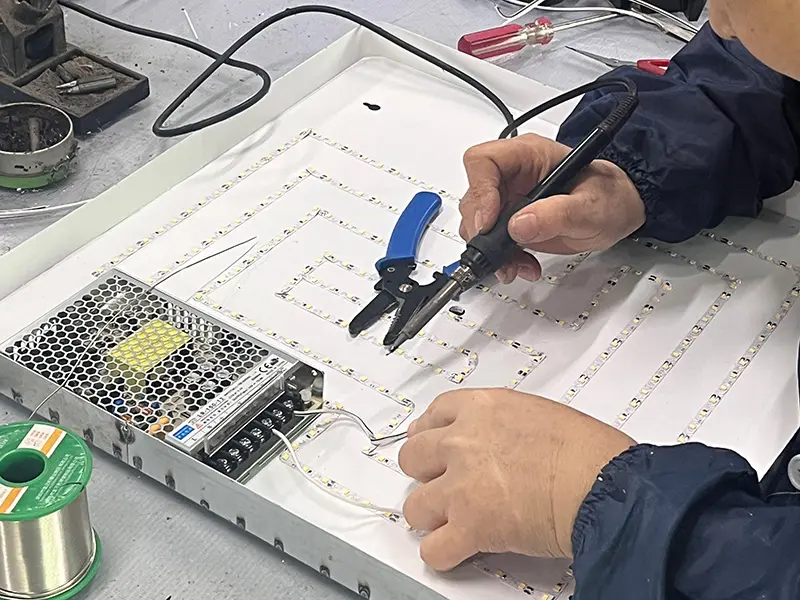
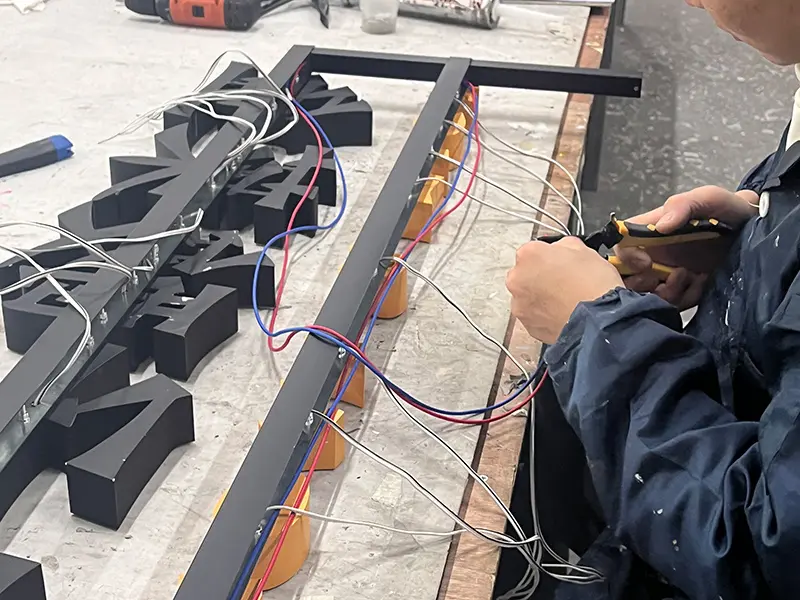
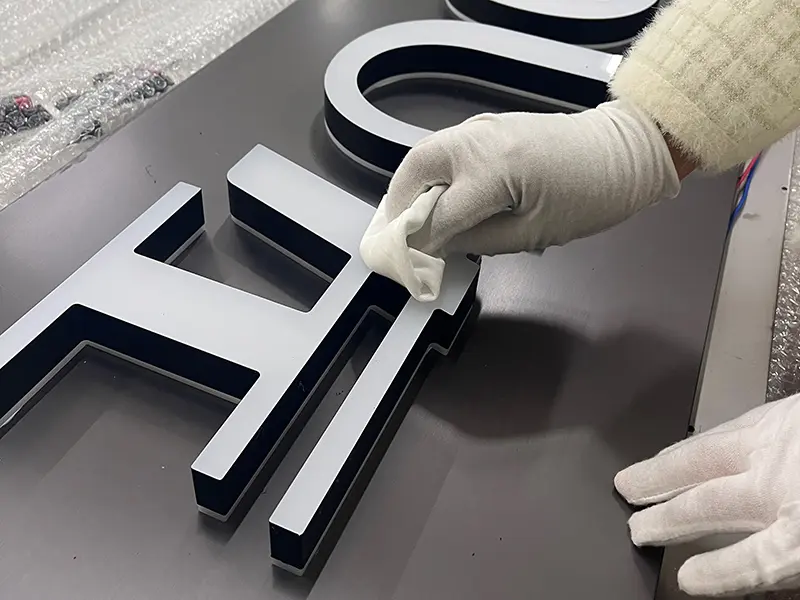
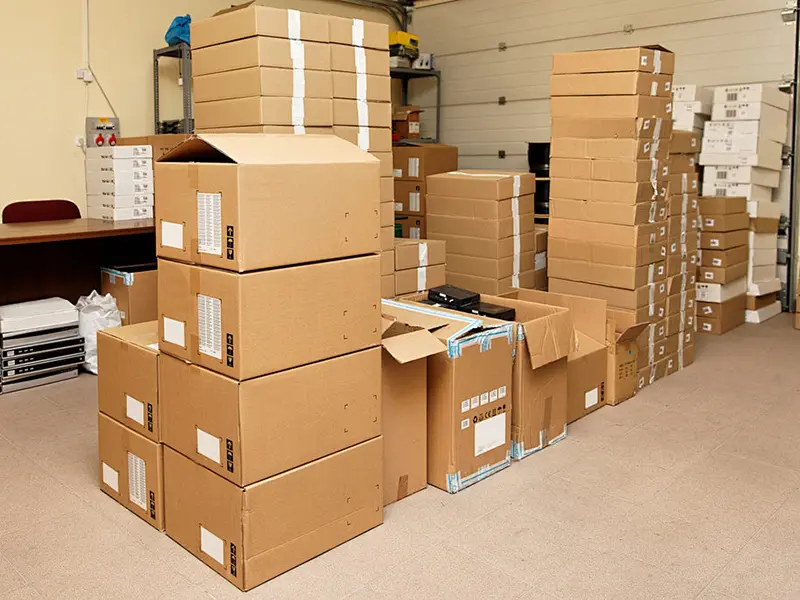
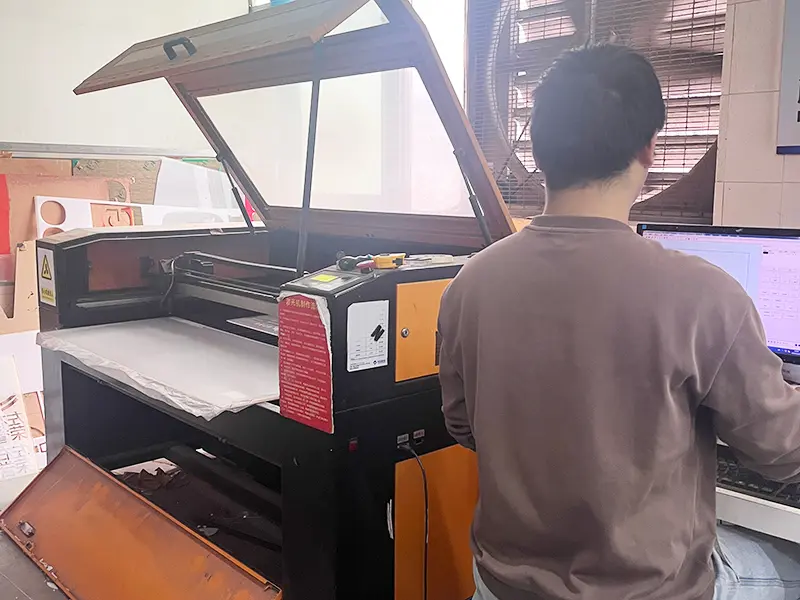
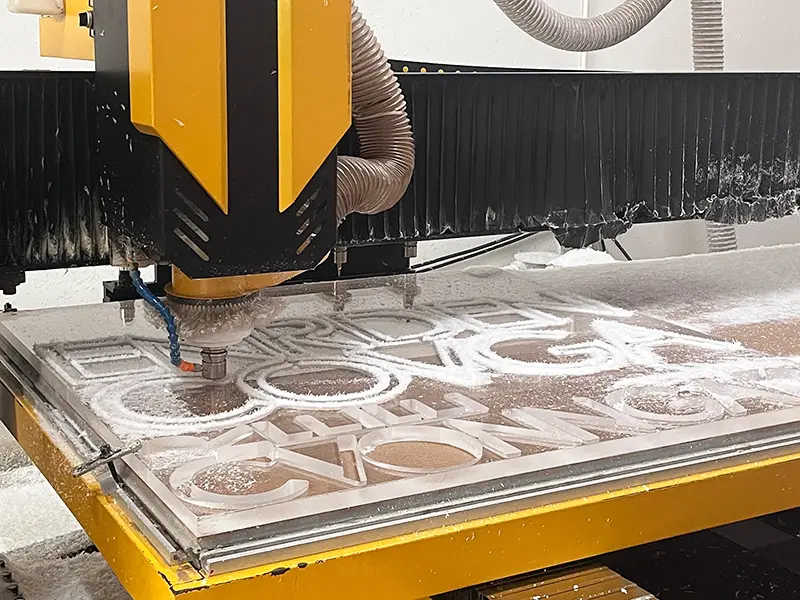
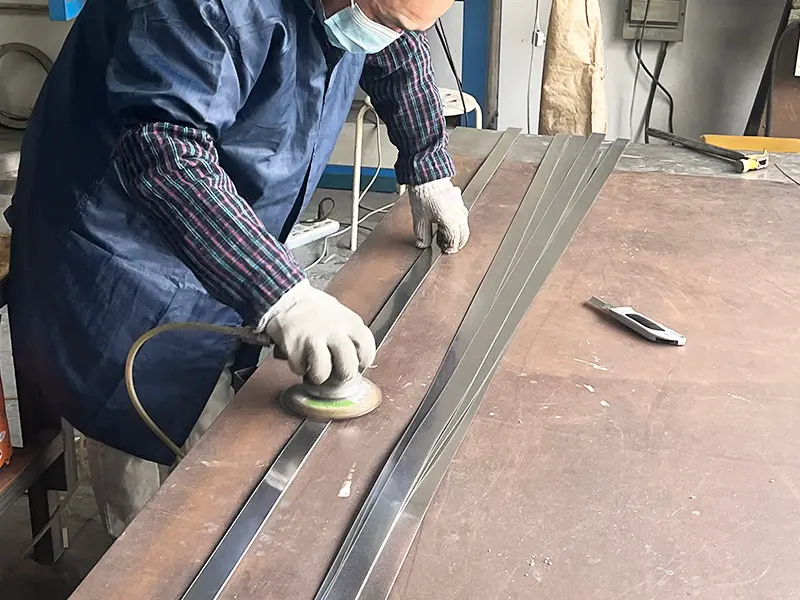
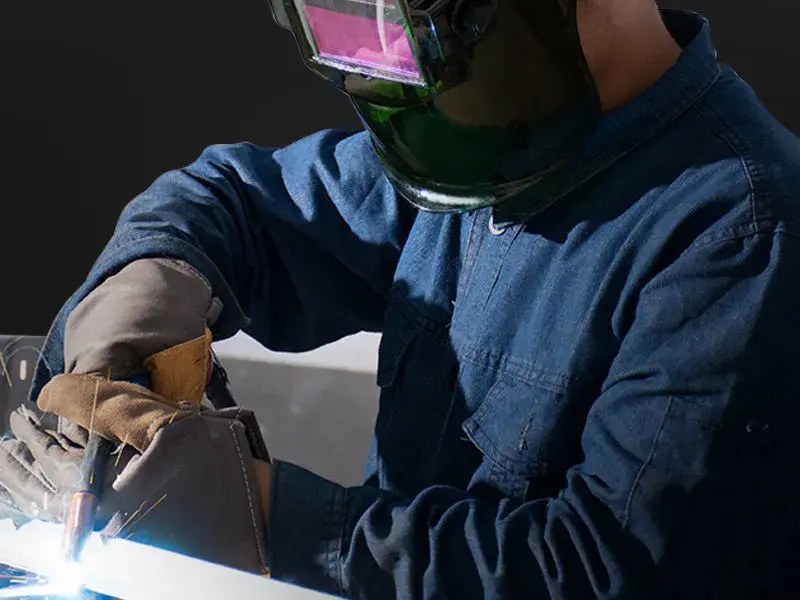
Why architects, designers, and procurement managers choose us as their long-term signage and custom light box manufacturer.
We operate advanced production equipment, managed by dedicated production lines and an internal QC team, avoiding third-party markups.
We provide long-term product warranties, proactive installation guides, and continuous post-sales engineering support for all projects.
Our industrial designers support you from initial architectural concept and structural calculations through to custom LED array layouts.
We customize dimensions, powder-coated finishes, custom extrusion profiles, and electrical setups for international standards.
To ensure a custom frameless fabric light box operates efficiently for over 50,000 hours, we execute a rigorous series of design steps for every order:
For installations larger than 3 meters (approx. 10 feet) in height or width, structural flexing is a primary concern. The tension generated by tight silicone edge graphics can bend weak frame profiles, causing the fabric to wrinkle. We prevent this by specifying heavy-wall aluminum extrusions (2.0mm to 2.5mm wall thickness) with internal corner keys and support struts. These struts distribute the tension load evenly, keeping the frame perfectly plumb.
A major quality issue in low-grade fabric light boxes is "hot-spotting" (visible bright and dark lines caused by poor LED spacing). Our engineers calculate light dispersion using Dialux software, establishing the ideal distance between the LEDs and the fabric based on the frame's depth. For thin frames, we utilize edge-lit high-power modules with 15°×45° asymmetric beam angle lenses to cast light evenly across the graphic. For deep light boxes, we use reflective backlit LED arrays spaced to ensure seamless color mixing.
The choice of fabric dictates the final image quality. We source premium woven polyester textiles that have undergone calendering—a process that smooths the fabric fibers to prevent dust buildup and maximize light transmission. This fabric is printed using dye-sublimation processes where the ink is heat-fused directly into the polyester fibers. This prevents cracking, fading, or peeling when the fabric is folded and shipped.
Answers to complex B2B buyer questions regarding architectural specifications, logistics, and quality assurance.
Q1: What are the differences and trade-offs between Edge-lit and Backlit technologies?
Edge-lit light boxes house the LED strips along the internal frame margins, firing light inward. This allows for thin profiles and works well for small to medium signs (up to 1.5m x 3m). However, very large graphics may show dimmer areas in the center. Backlit light boxes utilize an array of LEDs mounted on a backplate, projecting light forward. This layout ensures even illumination across large displays of any size, though it requires a slightly deeper frame (minimum 80mm to 120mm) to allow for proper color mixing.
Q2: How do you guarantee absolute color accuracy and uniformity on printed fabrics?
We use high-end dye-sublimation printing on calibrated Swiss and Japanese printers. We manage color profiles through custom ICC profiles matched to our specific fabric rolls. Additionally, our LEDs feature a Color Rendering Index (CRI) of ≥90. This ensures the backlighting preserves the printed colors without shifting hues, preventing the muddy or greenish tones common in low-CRI light sources.
Q3: What electrical certifications are supplied for architectural sign-offs?
Our systems are fully certified for global commercial installations. We carry UL listings for North American markets, CE marks for European applications, and SAA/RCM certifications for Oceania. All components, including LED engines, power supplies, and wiring looms, undergo high-voltage insulation tests before packaging, ensuring compliance with local electrical codes.
Q4: Can these fabric light boxes be integrated into building automation networks?
Yes. We design our systems to interface with standard building control networks. We can equip the light boxes with DALI (Digital Addressable Lighting Interface) or 0-10V dimming controllers, enabling seamless integration with Creston, Lutron, or other building management systems to automate brightness adjustments.
Q5: What are the primary maintenance procedures for tension fabric displays?
Maintenance is minimal. The silicone edge graphics (SEG) can be swapped by on-site staff without tools; simply pull the corner tab to release the graphic and press the new one into the profile groove. Woven polyester fabrics are durable and can be washed on a gentle cycle or dry-cleaned to remove dust and dirt.
Explore additional high-end commercial sign products designed for luxury retail, wellness centers, and corporate branding.
 Xinliangdian