Premium display systems designed to elevate commercial value and optimize visual performance.
In the luxury retail paradigm, the representation of high-value commodities like jewelry relies on visual stimulation. The subtle fire of a diamond, the rich saturation of a Burmese ruby, and the depth of polished platinum are dependent on the properties of the ambient lighting. Standard commercial display boxes are insufficient for luxury showcases; they lack color fidelity, cause unwanted thermal emissions, and produce uneven light distribution. A custom jewelry display light box serves as a core architectural system that manages light reflection, refraction, and transmission to maximize the appeal of high-end items.
Modern visual merchandising uses specific light box solutions designed to optimize customer attention. High-fidelity illumination targets the human brain's natural response to high-contrast and high-saturation stimuli. Using advanced Light Guide Plates (LGP), high CRI (Color Rendering Index) diodes, and structural heat dissipation systems, professional custom jewelry display light box suppliers provide retailers with tools to turn foot traffic into sales.
The global retail sign and display market has shifted toward high-efficiency LED solutions, motivated by carbon-neutral policies and a need for lower operating costs. Historically, retail light boxes relied on fluorescent tubes, which were energy-inefficient, generated significant heat, and suffered from uneven light distribution. Today, the integration of smart LED matrices and thin LGP displays has changed retail storefront and display structures.
High-end jewelry displays generate heat that can damage sensitive gemstones like pearls, opals, and emeralds. Modern light box suppliers incorporate passive thermal dissipation pathways using aluminum backplates, ensuring temperatures remain within safe parameters.
Smart light boxes can shift their Correlated Color Temperature (CCT) from 2700K (warm light for yellow gold) to 6500K (cool white light for diamonds and platinum), adjusting the presentation depending on the display layout.
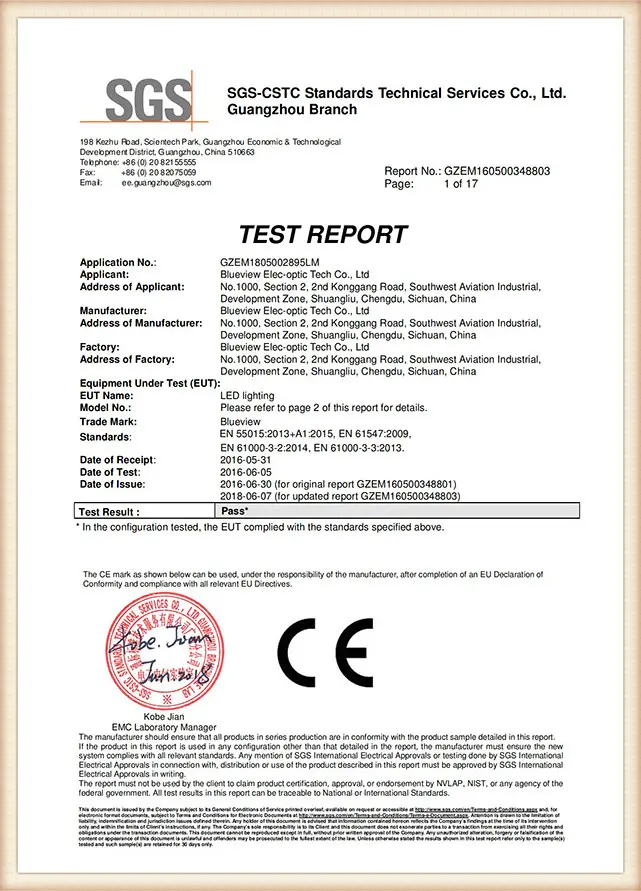
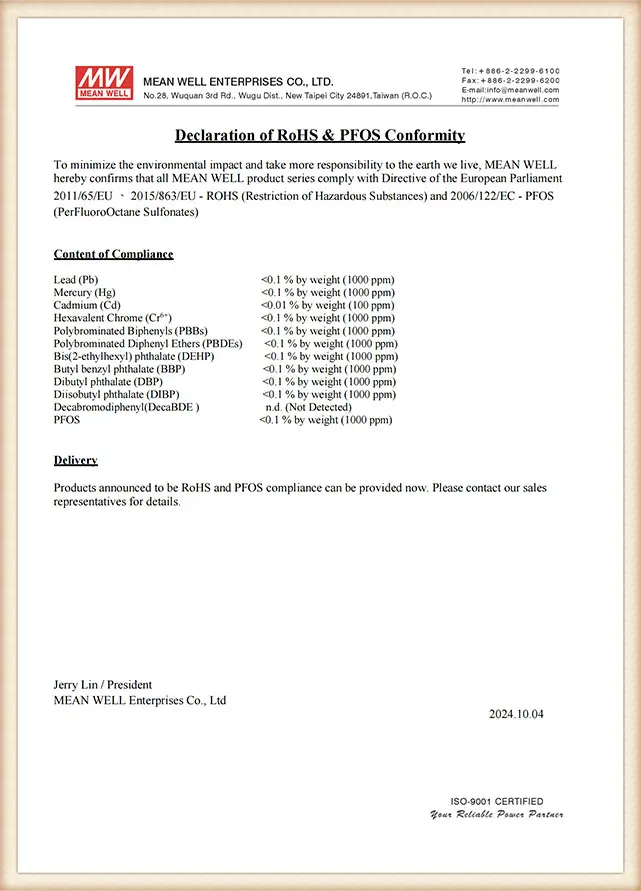
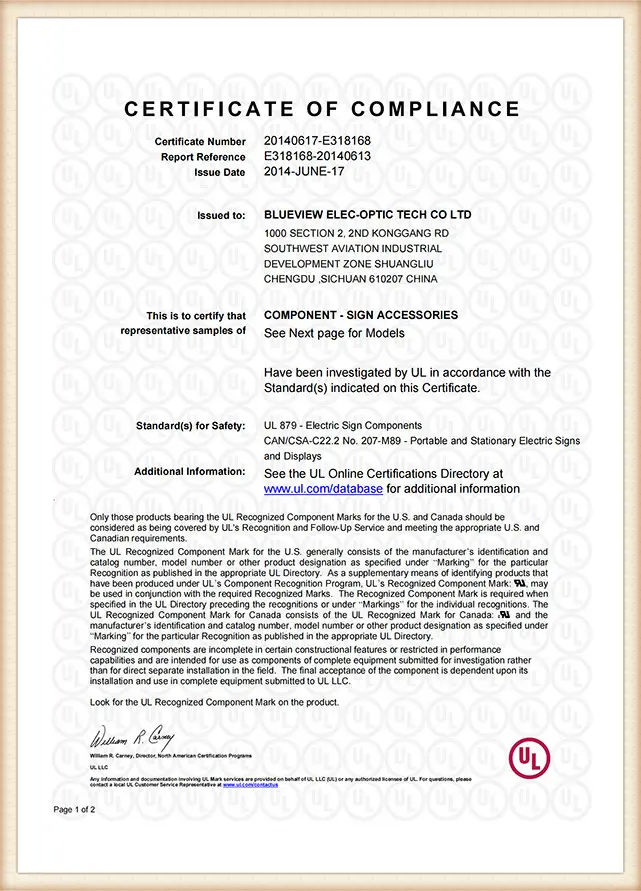
With regulations tightening worldwide, display enclosures must conform to international standards such as UL, CE, SAA, RCM, and RoHS, protecting commercial property and ensuring electrical safety.
Global jewelry brands require customized lighting systems that can scale across international boutiques while maintaining consistent branding. As a result, the demand for manufacturers with vertical OEM/ODM integration, global certification coverage, and specialized design capabilities is increasing.
Evaluating custom jewelry display light box suppliers requires analyzing specific technical benchmarks. Below is a detailed breakdown of the components that define a high-performance visual display system.
| Performance Metric | Standard Specification | Premium Specification (Luxury Grade) | Direct Impact on Jewelry Value Display |
|---|---|---|---|
| Color Rendering Index (CRI) | Ra > 80 | Ra > 95, R9 > 90 | Restores true color saturation of gems without green/cyan color cast. |
| LGP Uniformity | 70% - 80% | > 92% across the face plate | Eliminates shadow lines and bright hotspots, ensuring clean visual presentation. |
| Thermal Interface Temp | < 55°C | < 40°C with passive heatsink | Prevents thermal cracking of organic gemstones and prolongs LED life. |
| Acrylic Grade | Standard PMMA Extruded | High-cast UV stabilized acrylic | Maintains optical clarity without yellowing over time under intense light. |
| Driver Efficiency | PF > 0.90, flicker-free | PF > 0.98, Ripple-free constant current | Ensures flicker-free visuals during smartphone recording and photography. |
The interaction of light with high-carat diamonds requires high-intensity spot beams combined with diffused background lighting. Diamonds act as micro-prisms, dispersing incoming light into spectral colors. To highlight this, light box backlights must project clean white light with minimal color shifting. Using high-power LED chips from recognized brands like Osram or Nichia ensures the light maintains a consistent spectral output throughout its operational lifespan.
We are a professional factory covering an area of more than 3,000 square meters with more than 25 years of production experience in the advertising sign industry. We specialize in customizing a variety of illuminated business signs, light boxes, and Acrylic Faux Neon Signs. With comprehensive manufacturing capabilities, we can customize any unique business advertising sign.
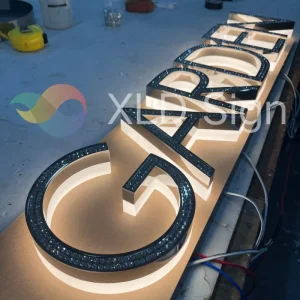
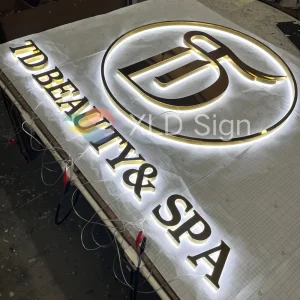
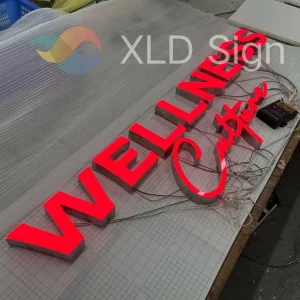
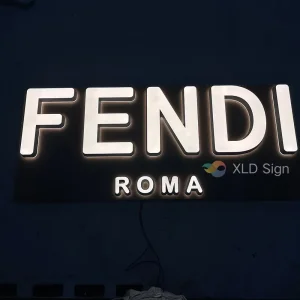
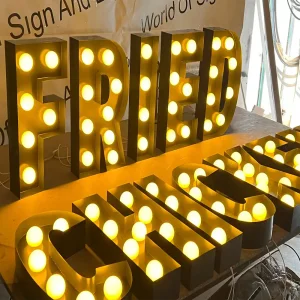
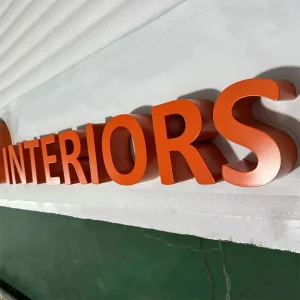
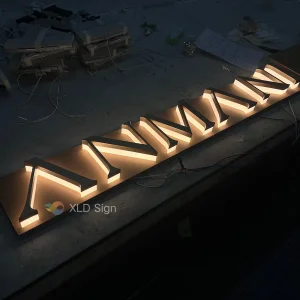
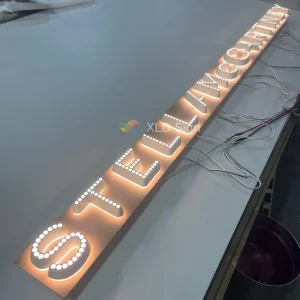
Our main product range is built around advanced optical designs, including: LED Backlit Letter Signs, LED Frontlit Letter Signs, LED front and back luminous letter signs, Non-illuminated Metal Letter Signs, Light Boxes, Acrylic Faux Neon Signs, and other creative business signs.
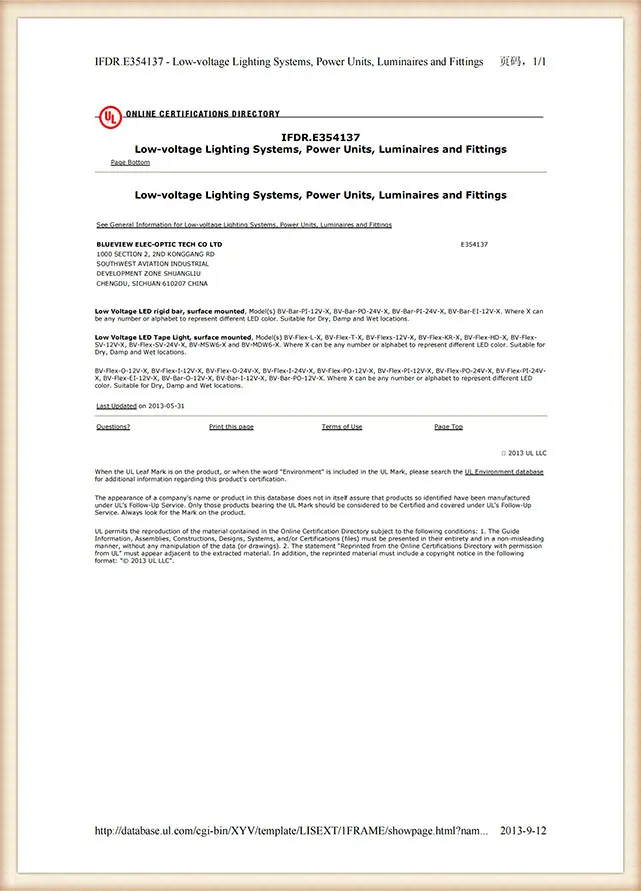
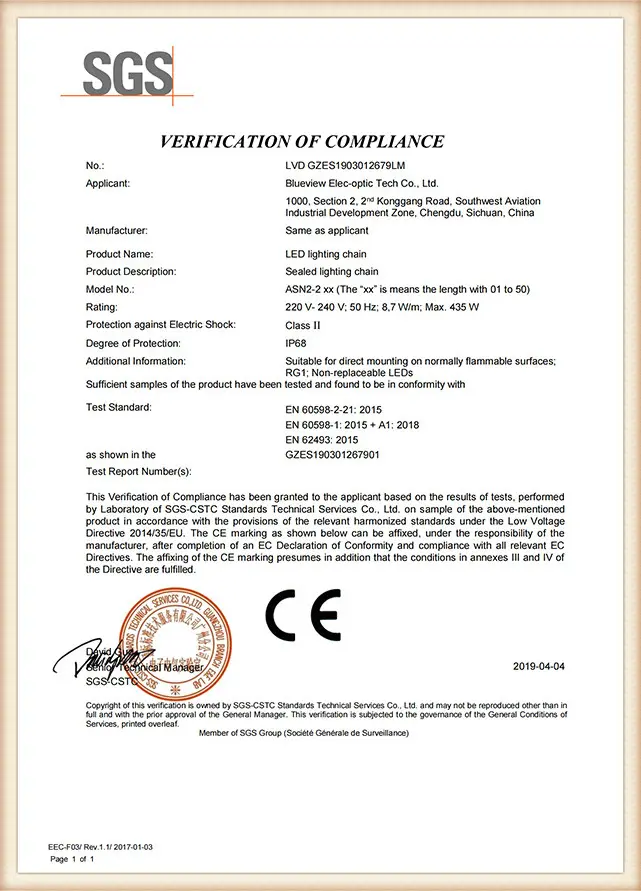
Our commitment to quality and safety is reflected in our numerous certificates, including UL, CE, RCM, SAA, and RoHS. These credentials verify that our electrical assemblies and enclosure structures are suitable for global commercial operations, helping our clients navigate local municipal zoning and business insurance guidelines.
Our factory is equipped with high-precision manufacturing equipment and dedicated team members for every new sign and light box project. From concept drafting to final structural engineering, you can count on us to bring your creative display designs to reality.
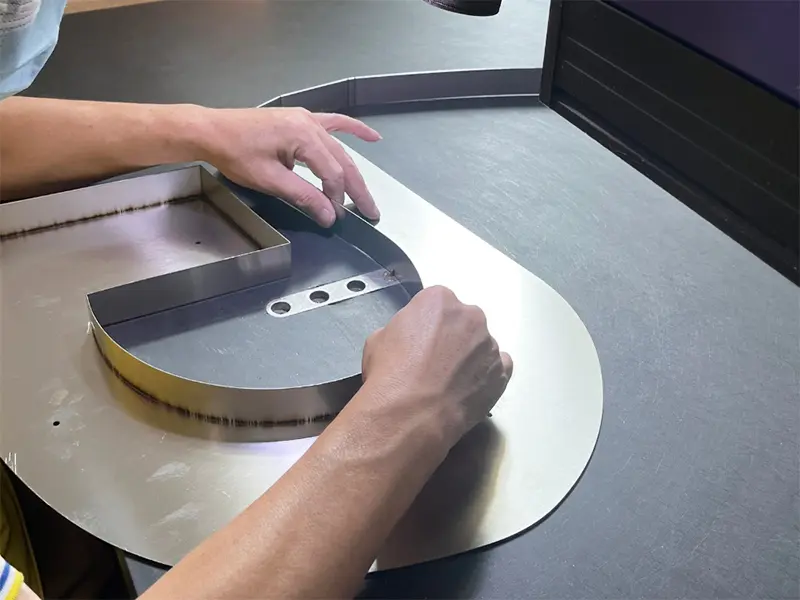
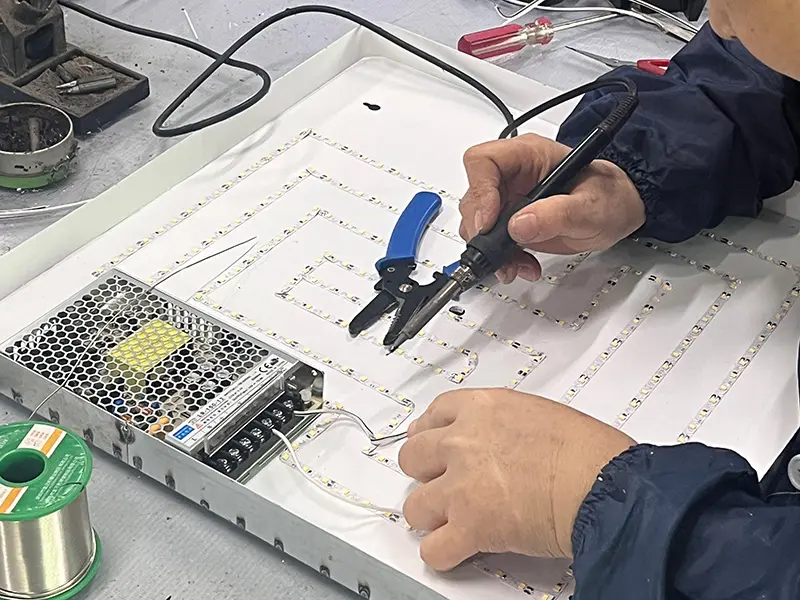
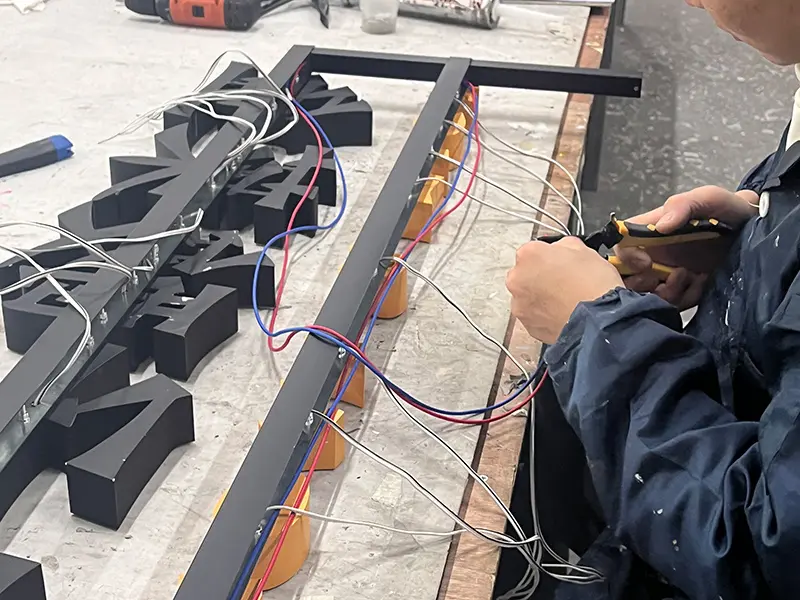
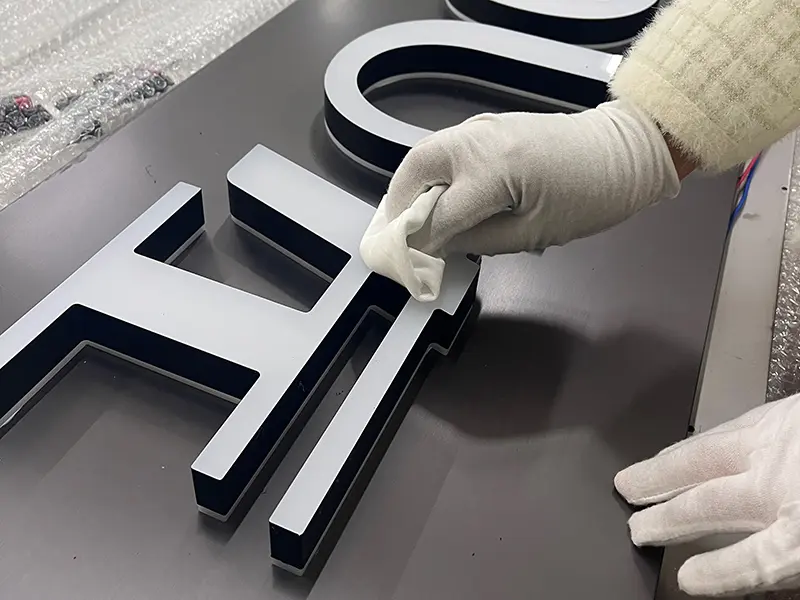
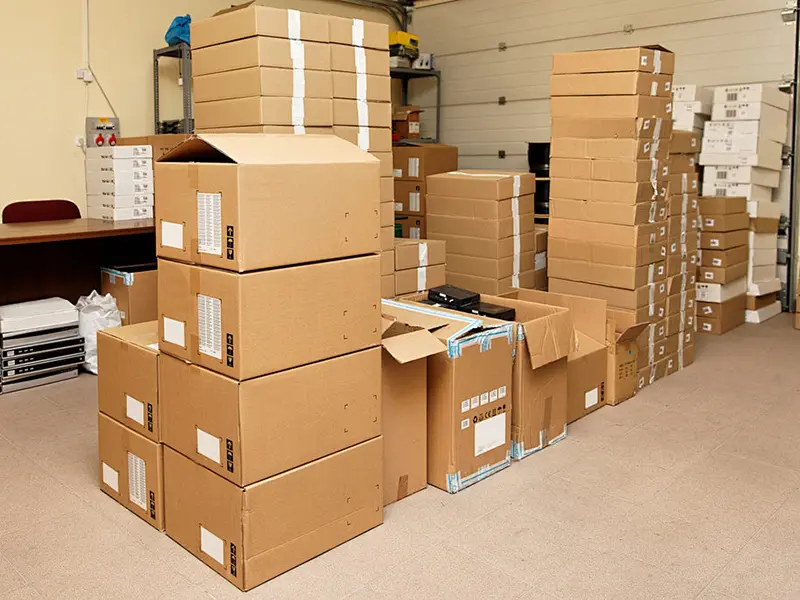
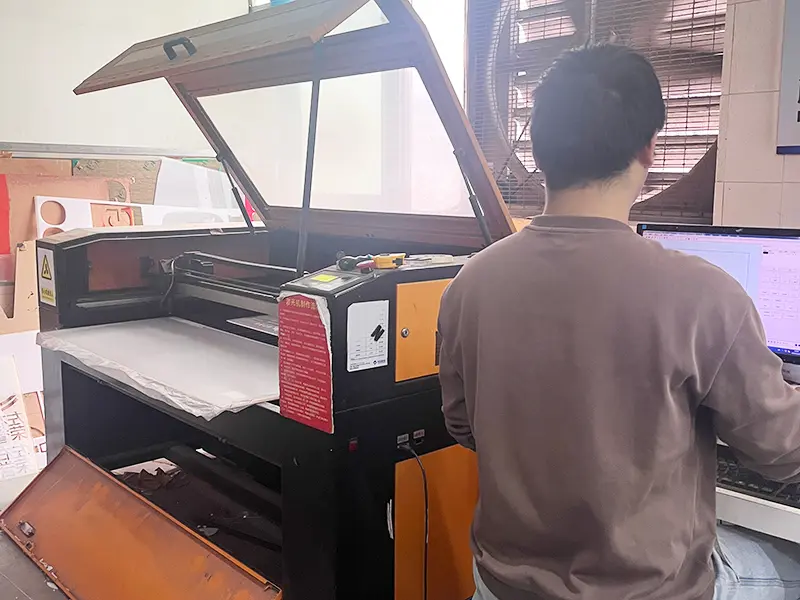
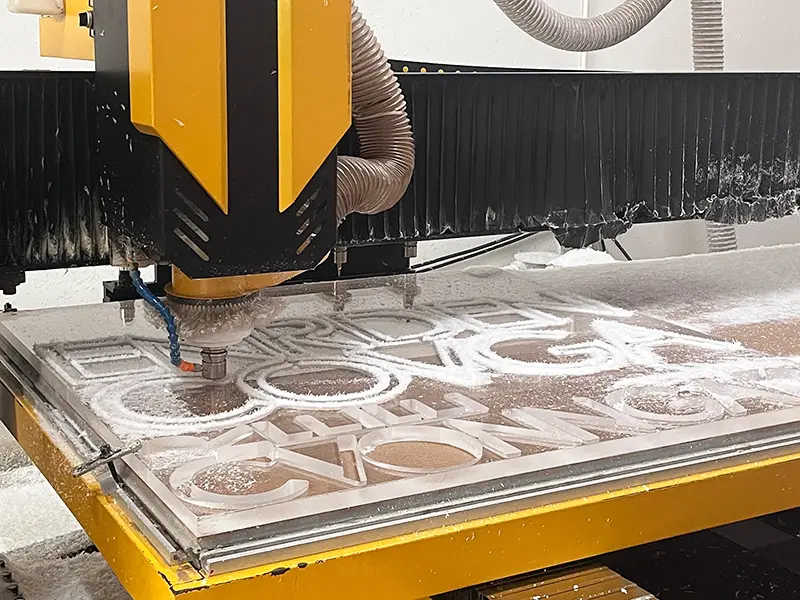
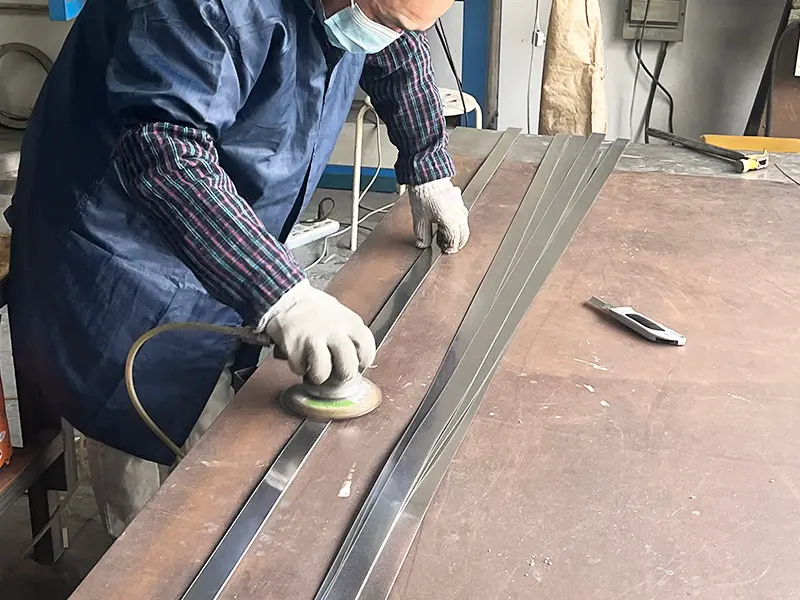

Advanced production machinery, integrated supply lines, and dedicated quality control teams keep costs controlled without middleman markup.
We provide full after-sales support, custom installation guides, and immediate assistance for global technical inquiries.
Our in-house design engineering team turns conceptual sketches into finished structural blueprints ready for manufacture.
We provide custom dimensions, unique mounting frames, and multi-protocol lighting interfaces to match specific client design requirements.
Operating premium display systems in markets like North America, Western Europe, and Australia requires strict adherence to regional safety and technical regulations. Commercial spaces are subject to building inspections, meaning display equipment must meet standard compliance thresholds.
For example, in North America, displays must carry verified UL (Underwriters Laboratories) markings, confirming they comply with standard NFPA 70 guidelines. In the European Union, the CE (Conformité Européenne) mark and RoHS (Restriction of Hazardous Substances) certification are required, guaranteeing that no restricted lead or cadmium compositions are used in structural components. In Australia and New Zealand, the SAA and RCM marks ensure that all power systems can handle variations in grid voltage. Partnering with a certified manufacturer minimizes installation delays and avoids compliance issues.
Different retail environments call for specific visual approaches. Our engineering capabilities cover several high-end configurations:
These display boxes feature a thickness of less than 15mm, using edge-lit LGP plates to provide clean, glare-free light. These are designed for close-up viewing, highlighting details without overwhelming the buyer.
Storefront window boxes require high luminance (often exceeding 4000 nits) to remain visible under direct sunlight. These units include integrated cooling fans to prevent overheating behind the glass facade.
These boxes mount flush to wall cavities, creating a clean look that integrates into the surrounding store architecture. They feature swing-open front doors for easy seasonal display updates.
For trade shows and luxury brand events, light boxes must be lightweight and easy to set up. We construct these using extruded aluminum frames and quick-mount lock mechanisms, facilitating rapid assembly.
The retail industry is adopting smarter, more interactive systems. The next generation of display technology will likely integrate IoT control nodes directly into visual light boxes. This enables remote light tuning, letting store managers modify display illumination values globally via cloud-based control panels.
Sustainability is also a major focus for developers. Our engineering team is researching biodegradable polymer alternatives to replace traditional acrylic panels. By pairing low-energy LED modules with recyclable aluminum frames, we can provide retailers with display systems that reduce carbon emissions while maintaining optical clarity.
Critical engineering and logistics questions answered by our design team.
Reliable custom configurations built for branding, storefronts, and interior displays.
 Xinliangdian