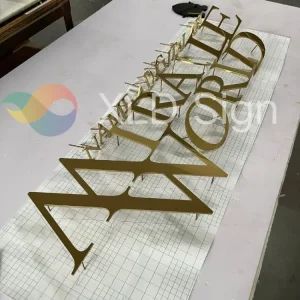
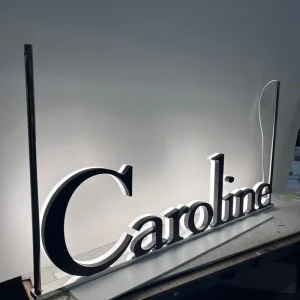
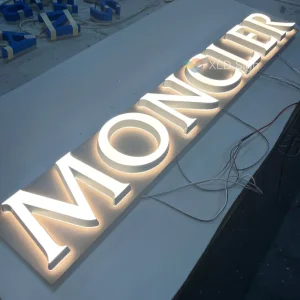
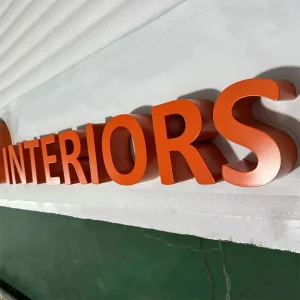
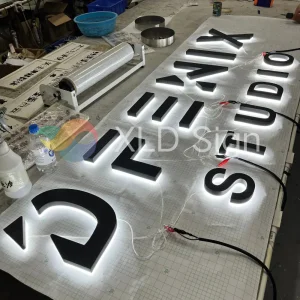
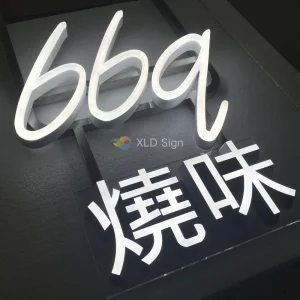
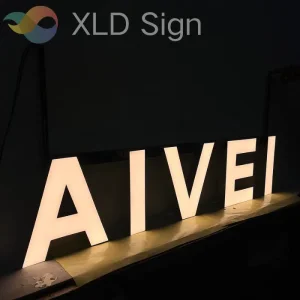
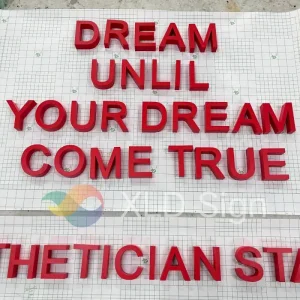
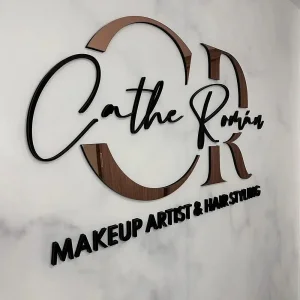
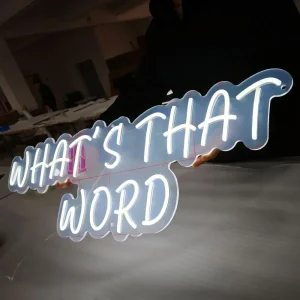
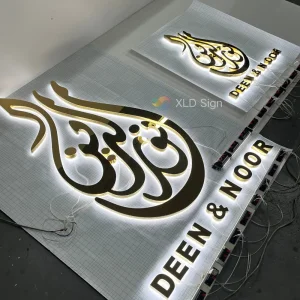
Explore our flagship configurations engineered for international trade, architectural installations, and custom commercial specifications.
We operate a state-of-the-art manufacturing facility covering more than 3,000 square meters, backed by over 25 years of engineering experience in the custom commercial signage industry. We excel at bridging the gap between sophisticated design concepts and physical reality, utilizing high-precision laser-cutting technology, optical-grade polymethyl methacrylate (PMMA) acrylics, and next-generation Solid-State LED setups.
Our comprehensive production environment caters to the complete manufacturing cycle—from initial vector design translation and thermal bending to multi-axis precision laser engraving. This allows us to supply dynamic corporate branding signs, edge-lit panels, lightboxes, and faux-neon illuminated configurations built to withstand outdoor architectural exposure and interior display requirements.
A Comprehensive Technical Whitepaper on Material Integration, Light Dynamics, and Global Supply Efficiencies.
At the intersection of industrial sign design and physics sits the optical property of acrylic (Polymethyl Methacrylate or PMMA). When high-purity cast PMMA sheets are subjected to precision laser engraving, the laser alters the internal reflection properties of the substrate. The engraved lines disturb the Total Internal Reflection (TIR), forcing light introduced from the edges to escape forward toward the observer. Unlike cheaper extruded acrylic, cast acrylic features superior molecular weight distribution, yielding highly crisp, frosted white details under CO2 laser engraving, and minimal smoke residue or yellowing.
By selecting specific wavelengths (typically 10.6 micrometers for CO2 lasers) and controlling power profiles (ranging between 80W and 150W), engineers program precise raster patterns. This technique regulates the depth and density of microscopic scattering spots, ensuring uniform illumination across the entire visual surface, regardless of its proximity to the LED light source.
In modern commercial architecture and retail design, signage has shifted from static advertising indicators to experiential media components. Businesses require low-power, lightweight, high-contrast displays that harmonize with smart building interfaces. Custom laser-engraved acrylic LED signs meet this standard by consuming up to 70% less energy than historical high-voltage gas neon tubes, whilst offering superior luminance (>1500 nits) and a modern aesthetic.
From architectural wayfinding systems in major international transit hubs to bespoke storefront installations in luxury cosmetic boutiques, edge-lit acrylic technology provides unparalleled clarity. The thin profile of acrylic LED signs enables architects to preserve structural clean lines while integrating branding seamlessly into wood, concrete, glass, or steel installations.
The global sourcing structure for high-end signage heavily relies on Chinese fabrication plants, specifically those clustered with advanced industrial footprints. The efficiency of a Chinese manufacturer goes beyond labor cost; it lies in the density of the component supply chain. Our facility in China leverages direct integrations with raw material producers of PMMA, chemical compound suppliers, high-CRI (Color Rendering Index > 90) SMD LED strip fabricators, and specialized metal mills.
This complete cluster approach enables rapid prototyping cycles, reducing the typical timeline from concept rendering to shipping container loading from months to weeks. Additionally, automated multi-tool laser machining systems and localized structural engineering talent allow us to construct signs that meet structural wind-load requirements in North America or electrical compliance guidelines in Europe without adding heavy premiums to the purchase price.
Procuring custom commercial signage globally requires strict adherence to international electrical safety regulations. Standard consumer signs might bypass these criteria, but commercial developments cannot risk electrical failure or failure to pass local building inspections.
We manufacture strictly in compliance with global certification programs, ensuring all finished signage products can be paired with documented approval certificates:
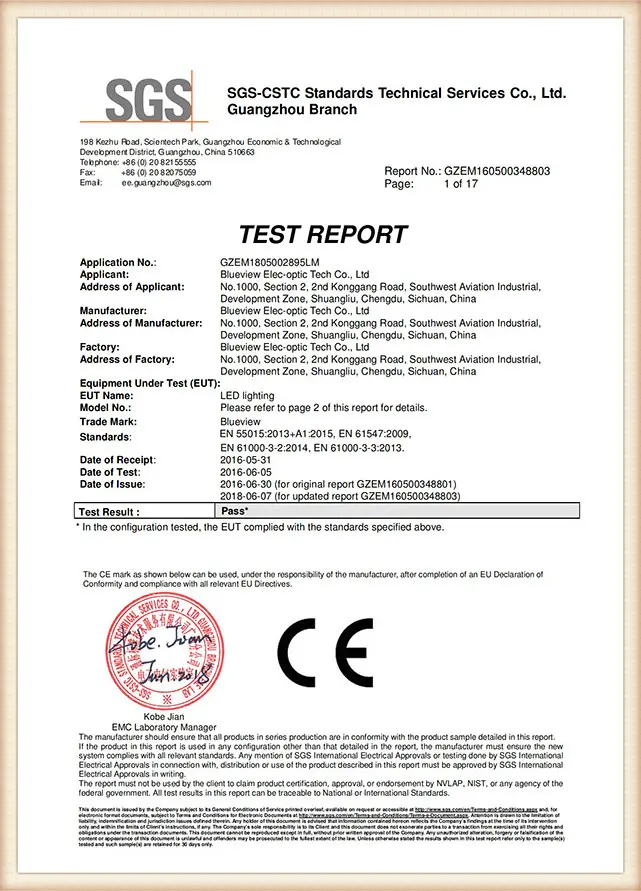
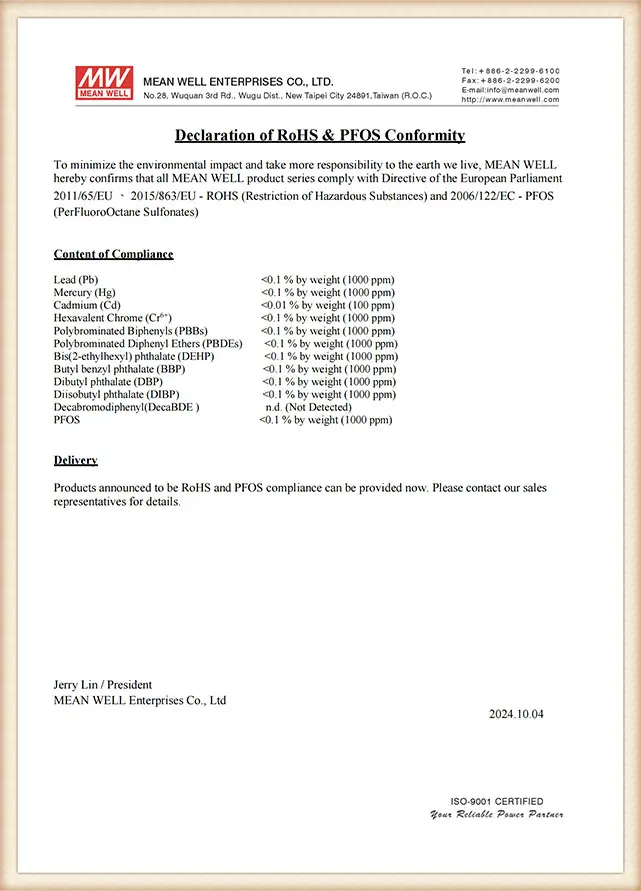
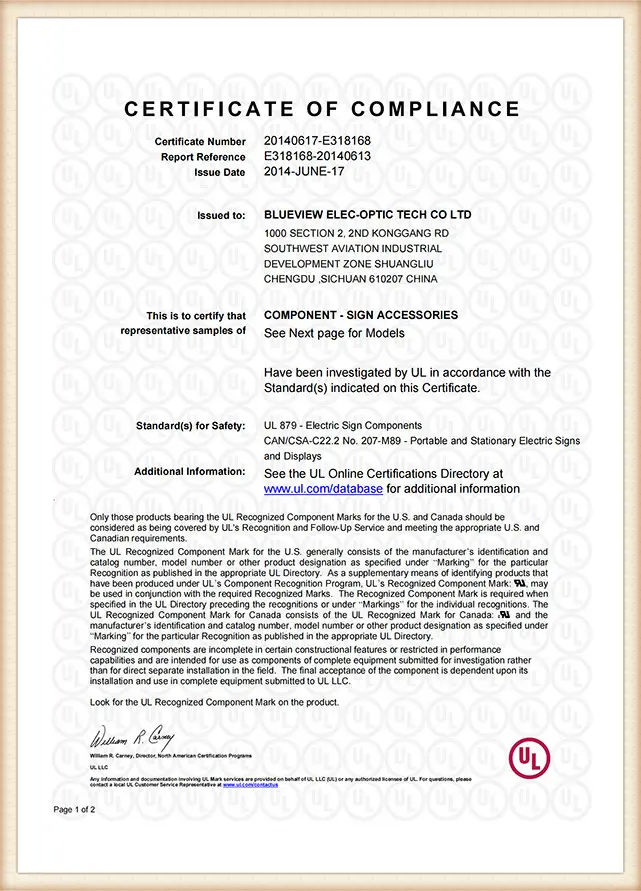
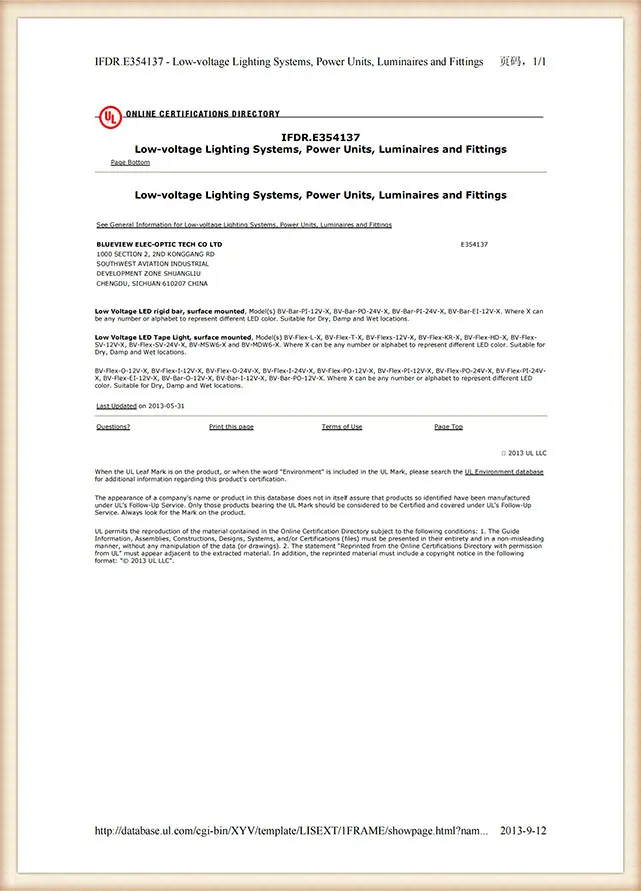
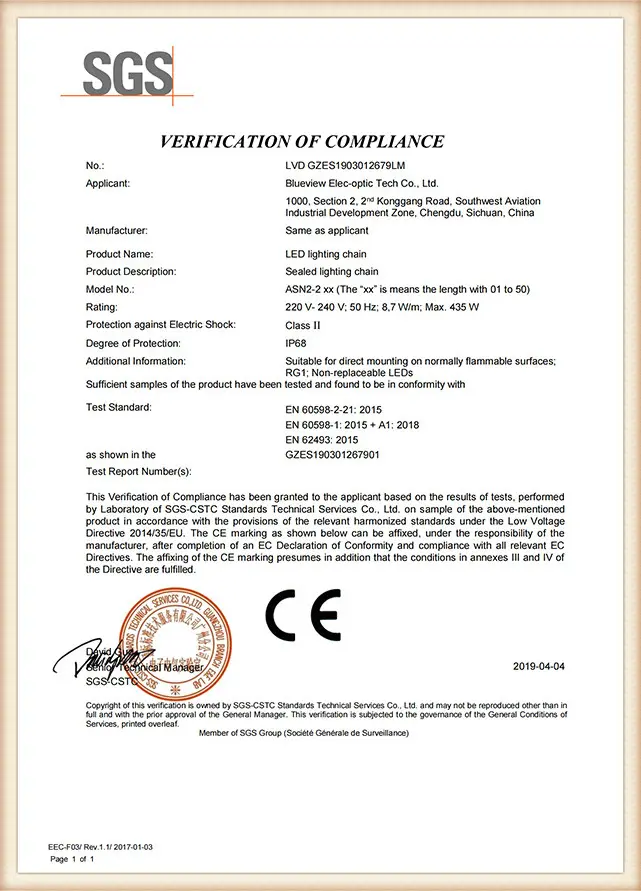
These certificates verify that the internal power modules, structural LED arrays, and connection cables are built to prevent thermal overload, support fire retardancy, and eliminate toxic heavy metals, aligning with environmental mandates across the European Union, Australia, and North America.
Depending on geographic location, environmental factors dictate materials and structural design. For instance, signs bound for arid, high-UV zones like the Middle East require UV-stabilized PMMA formulations to prevent yellowing and degradation under sunlight. Conversely, signs engineered for cold coastal environments like Northern Europe require ingress protection ratings (minimum IP65 to IP67) to prevent moisture ingress, oxidation of LED copper traces, and damage from freeze-thaw cycles.
During laser engraving, the depth of cut is carefully monitored. If the laser cuts too deep, it introduces structural stress points that can fail under thermal expansion. If the cut is too shallow, light dispersion is uneven. Our 25+ years of experience enables us to program exact depth profiles based on the physical properties of the target environment.
A closer look at our 3,000+ square meter factory, highlighting our advanced machinery and expert fabrication teams.
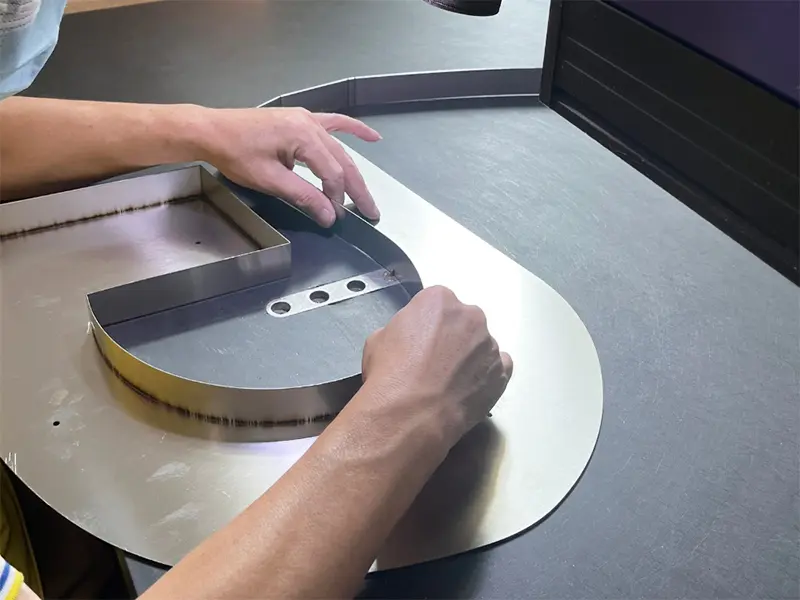
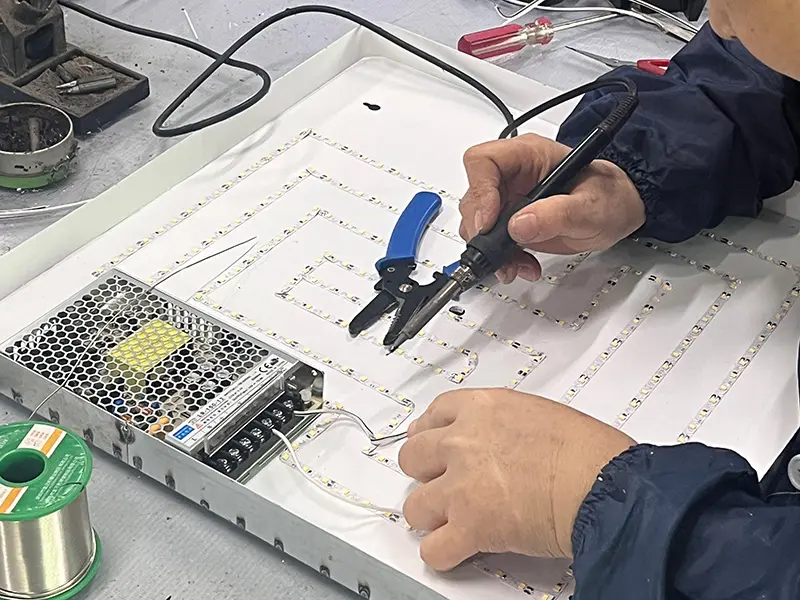
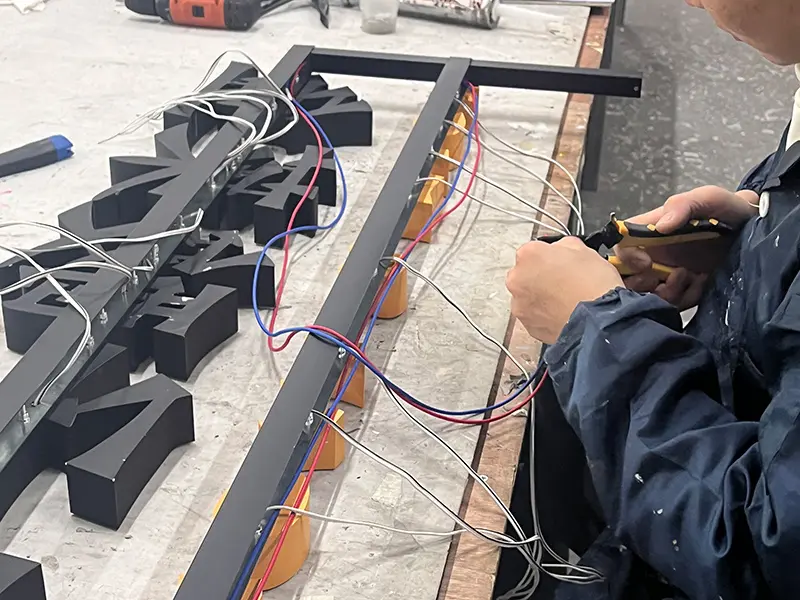

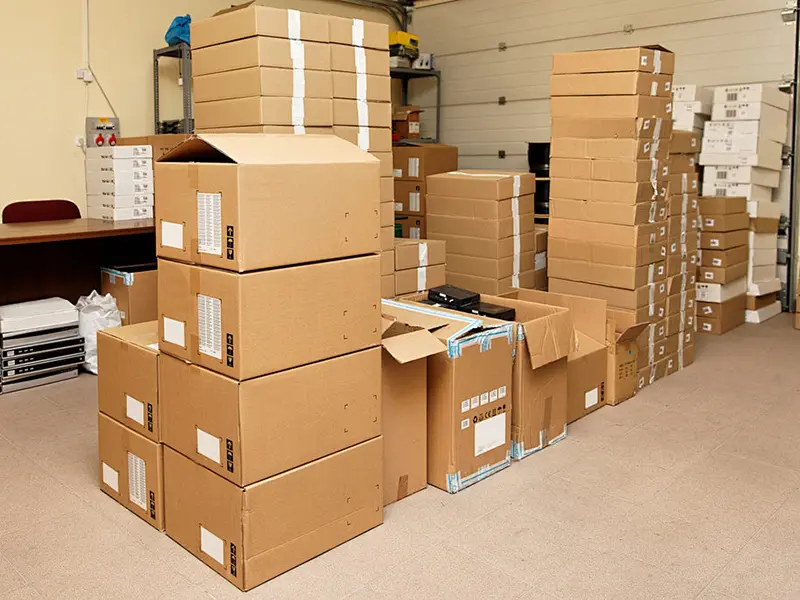
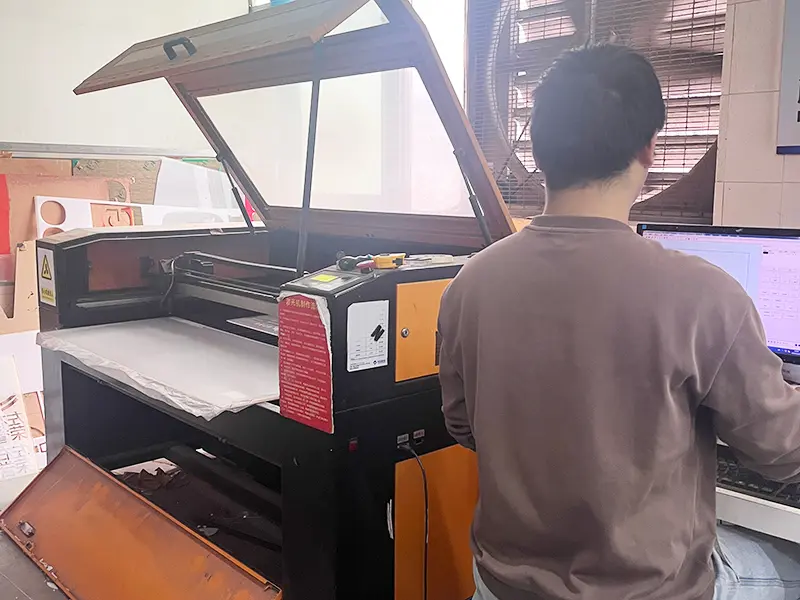
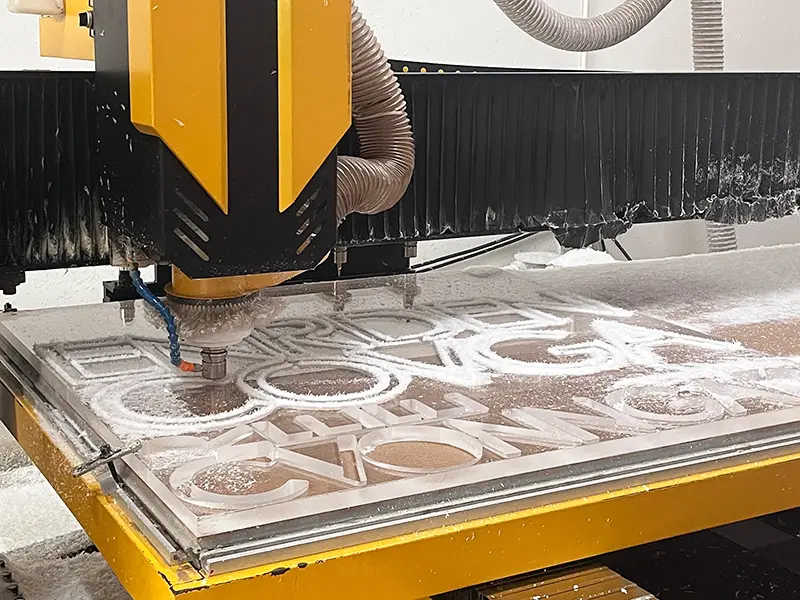
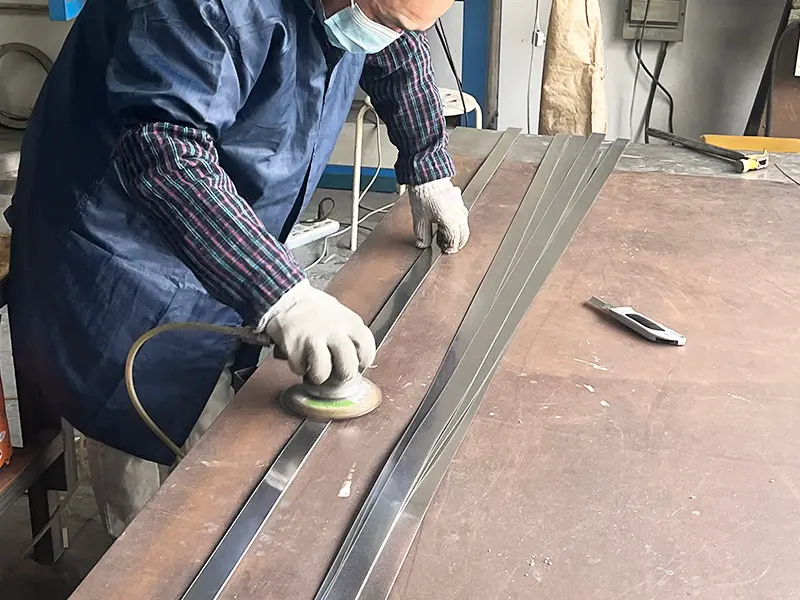
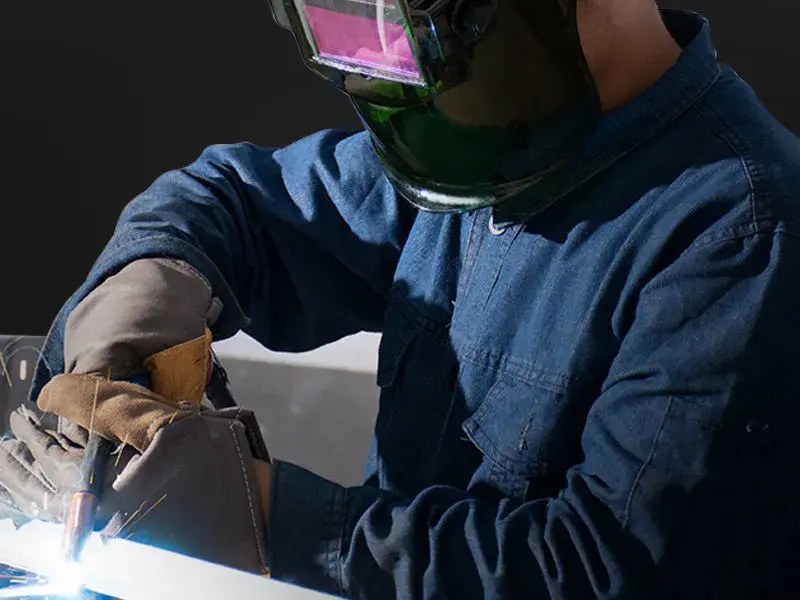
Combining industry expertise, advanced equipment, and dedicated customer service to support global brands.
Advanced production machinery, high-precision laser systems, and rigorous quality control protocols managed on-site.
Full support across the design-to-delivery cycle, featuring thorough testing and solid product guarantees.
Our in-house design and engineering teams adapt vector files and plan electrical runs for efficient installations.
Fully customizable structural parameters, LED modules, dynamic controllers, and structural mounts to match your brand requirements.
Expert answers addressing materials, safety standards, customizations, and logistical workflows for commercial buyers.
Cast acrylic is manufactured by pouring liquid monomer between glass molds. Under CO2 laser engraving, it produces a clean, frosted white finish. Extruded acrylic, manufactured by pushing raw resin through a die, engraves with a clear, less distinct finish and is more prone to melting, cracking, or turning yellow under the thermal stress of laser engraving. We use only high-purity cast PMMA for all our premium signs.
Uniform light distribution is achieved using a Light Guide Plate (LGP) pattern. As light travels away from the LED source at the sign's edge, it naturally dims. To compensate, we calculate and laser-engrave a grid pattern of varying density and depth. The spacing between engraved points decreases further from the light source, releasing light evenly across the entire surface.
We provide UL, CE, SAA, RCM, and RoHS certifications. Every internal component, from the high-CRI LED strips to the low-voltage power units, undergoes rigorous safety and heat-dissipation testing to comply with electrical safety standards in North America, Europe, Australia, and other global regions.
Yes, our engineering team works directly with client design assets. We accept vector formats such as .DXF, .AI, .EPS, .CDR, and .DWG. Our team adapts these layouts to match the specific refraction behavior of cast PMMA and plans the ideal placement for wiring and structural mounts.
Our premium SMD LEDs are rated for up to 50,000 hours of continuous operation (roughly 5-6 years of constant illumination). They are solid-state and virtually maintenance-free. IP-rated models are sealed to prevent dust or moisture buildup, needing only occasional exterior cleaning with a dry microfiber cloth.
Acrylic signs are highly sensitive to surface abrasion. We cover all engraved acrylic panels with double-sided protective masking. Signs are packed in custom multi-layer high-density foam structures and placed in reinforced wooden crates. This packaging ensures structural safety during global sea freight, air freight, or express courier shipping.
Explore our additional customized options, offering unique visual elements and durable construction for indoor and outdoor environments.
 Xinliangdian