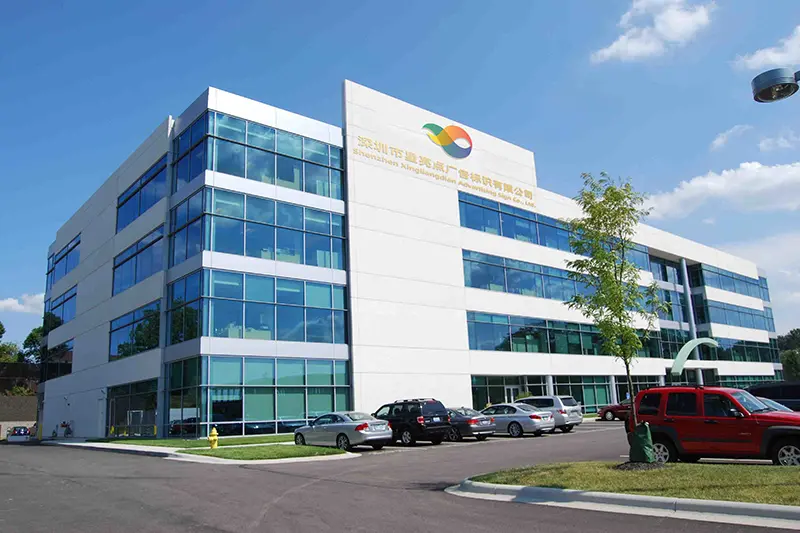
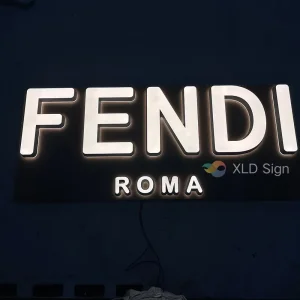
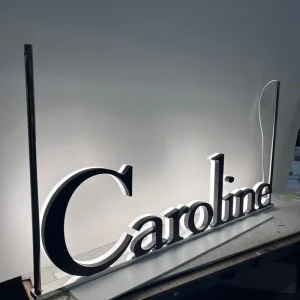
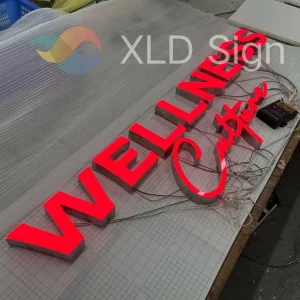
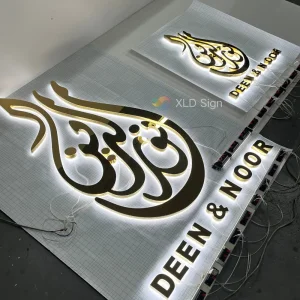
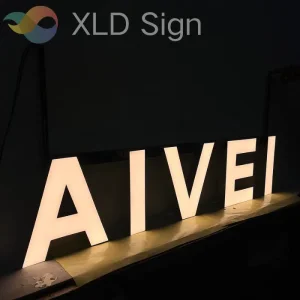
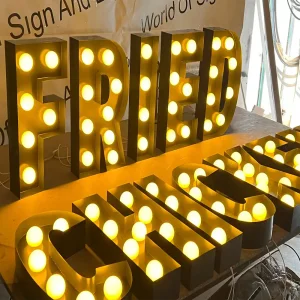
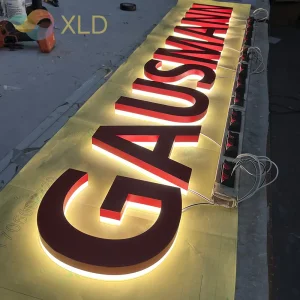
High-performance illuminated architectural signage engineered for maximum visual contrast and weatherproof durability.
In the contemporary landscape of architectural design and commercial visual identity, physical storefronts represent more than structural access points; they serve as critical brand interfaces. The migration from traditional neon and direct-lit channel letters to custom outdoor backlit LED signs (commonly referred to as halo-lit signs) marks a major paradigm shift. Historically, outdoor signage functioned purely for daytime legibility. However, modern commercial environments operate in a 24-hour cycle where low-light visibility determines retail and corporate engagement rates.
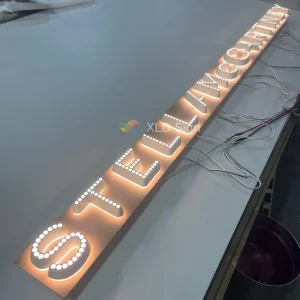
Recent technical developments show a growing industry shift toward indirect illumination. This trend is driven by three main factors: architectural integration, visual comfort, and the reduction of light pollution. Traditional direct-lit signs run the risk of causing visual glare in pedestrian zones. Backlit signage solves this by bouncing light off the mounting wall to create a soft, high-contrast glow around the sign edges. This technique improves readability from wide angles and supports clean design aesthetics, helping high-end brands maintain a sophisticated visual style.
By reflecting light off the building envelope, backlit signs complement the natural texture of masonry, stone, metal cladding, or EIFS systems instead of obscuring them.
Halo illumination softens the edges of heavy metal typography, conveying an elegant, high-end identity suited for luxury brands, hotels, and corporate offices.
With stricter local laws regarding light pollution (such as DarkSky initiatives), indirect backlit signage offers a code-compliant solution that minimizes upward glare.
Global commercial procurement teams face a complex set of local regulations, weather conditions, and performance standards when sourcing outdoor signage. For global retail rollouts, hospitality developments, or multi-tenant commercial centers, signs must meet strict local engineering codes.
The primary concern in outdoor sign procurement is durability. Signs must withstand extreme weather conditions, including freezing winters in North America, high UV exposure in Oceania, and salt-laden ocean air in coastal developments. This requires using high-grade materials like 304-grade and 316-grade marine-grade stainless steel, anti-corrosive aluminum alloys, and UV-stabilized acrylic polymers.
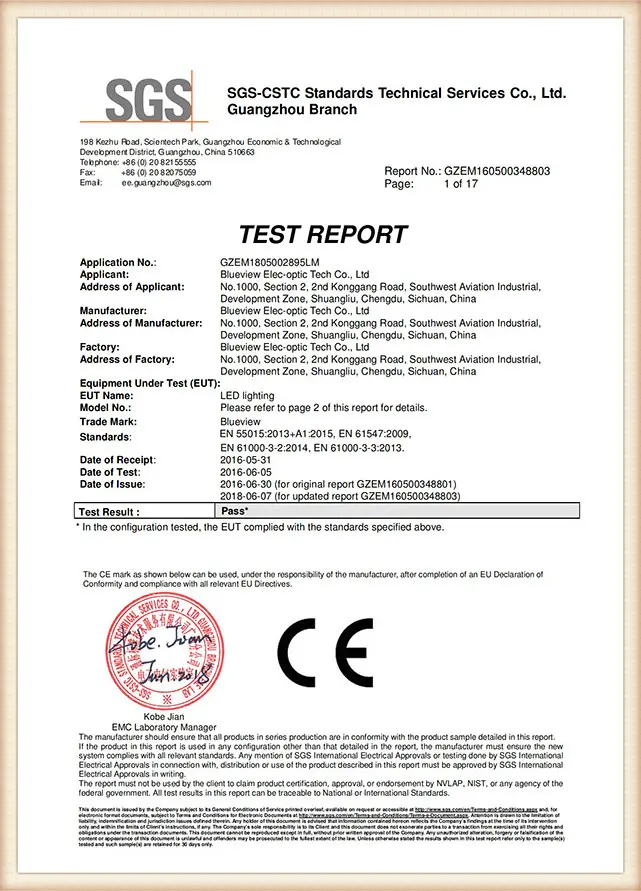
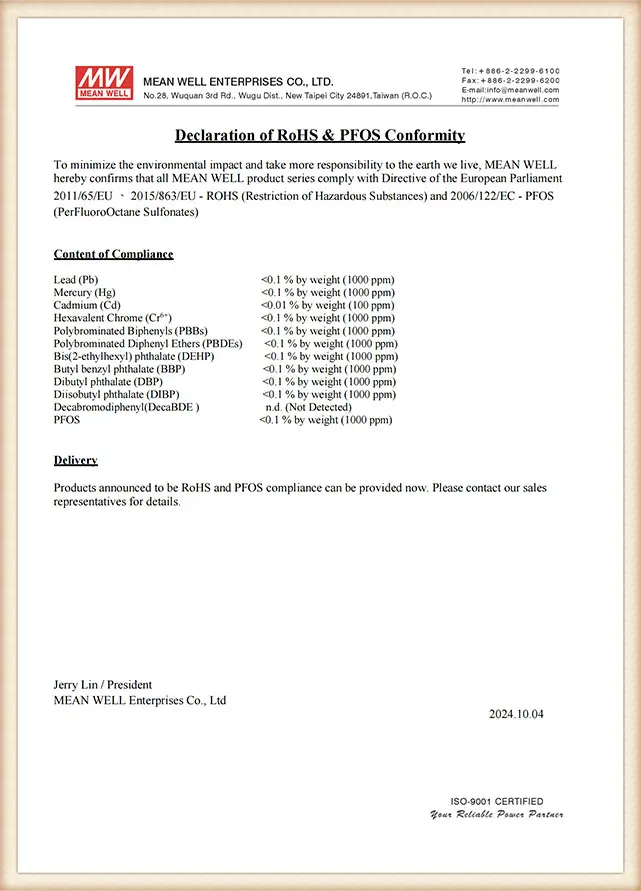
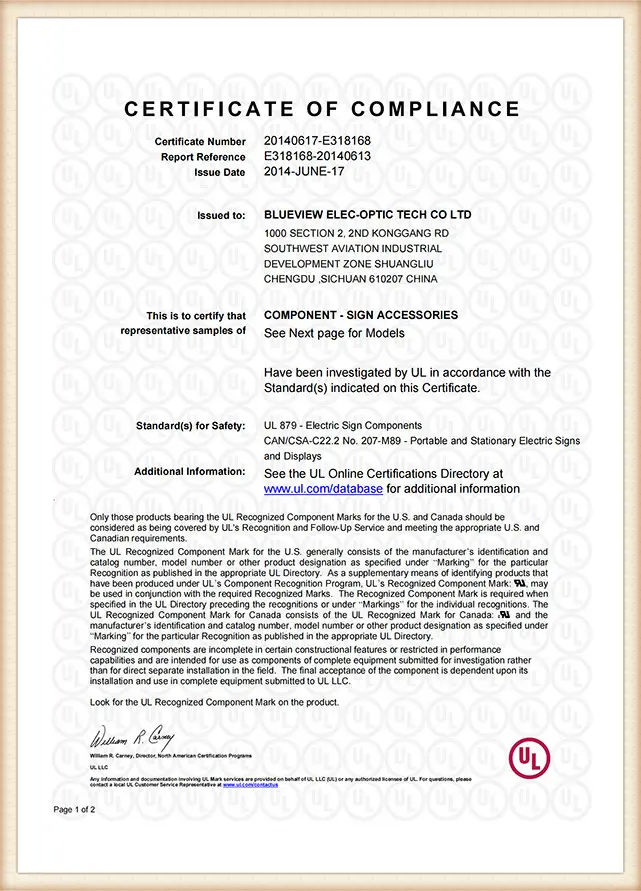
From a regulatory perspective, electrical safety certification is essential. In the United States and Canada, electrical signs must be built and tested to UL 48 standards (and CSA equivalents). In Europe, CE marking and RoHS compliance are required to verify that no hazardous substances are used in production. In Australia and New Zealand, RCM and SAA certifications are the standard. Working with a manufacturer that has these certified processes is crucial to avoiding customs clearance issues and installation delays on-site.
A professional factory covering an area of more than 3,000 square meters with more than 25 years of production experience in the advertising sign industry.
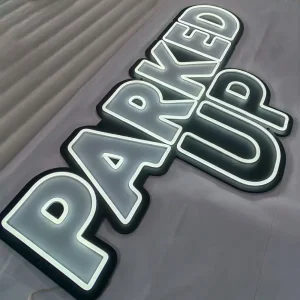
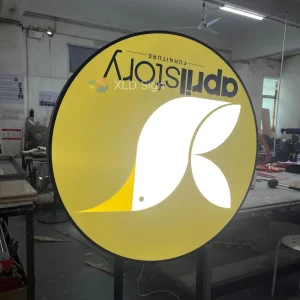
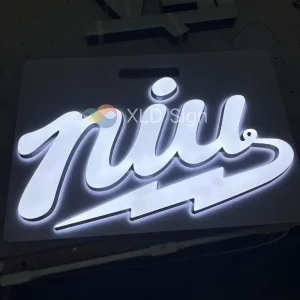
We specialize in customizing a variety of illuminated business signs, light boxes, and Acrylic Faux Neon Signs. With comprehensive manufacturing capabilities, we can customize any unique business advertising sign to meet your design and architectural needs.
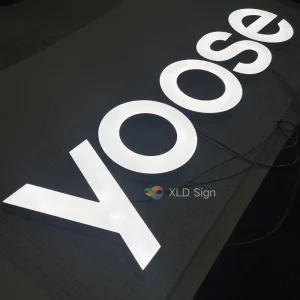
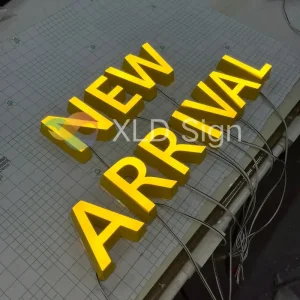
Main Products: Our main products include LED Backlit Letter Signs, LED Frontlit Letter Signs, LED Front and Back Luminous Letter Signs, Non-illuminated Metal Letter Signs, Light Boxes, Acrylic Faux Neon Signs, and other creative business signs.
Our commitment to quality, electrical safety, and global market access is verified by our extensive certifications, including UL, CE, RCM, SAA, and RoHS.
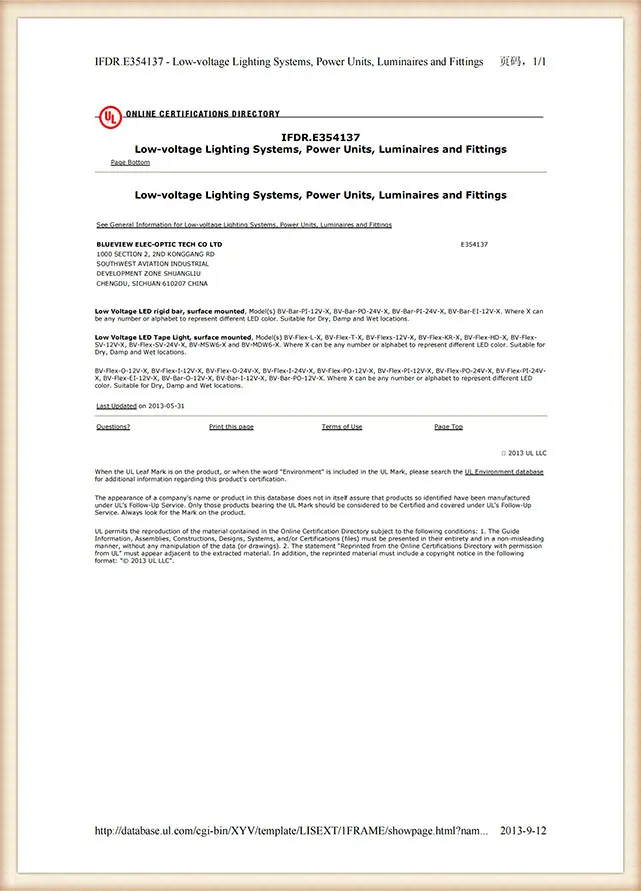
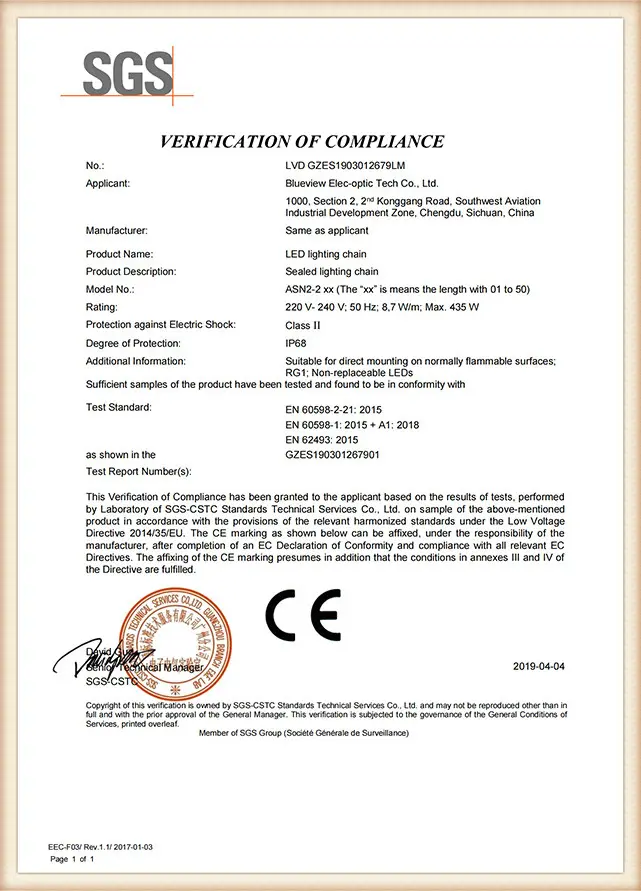
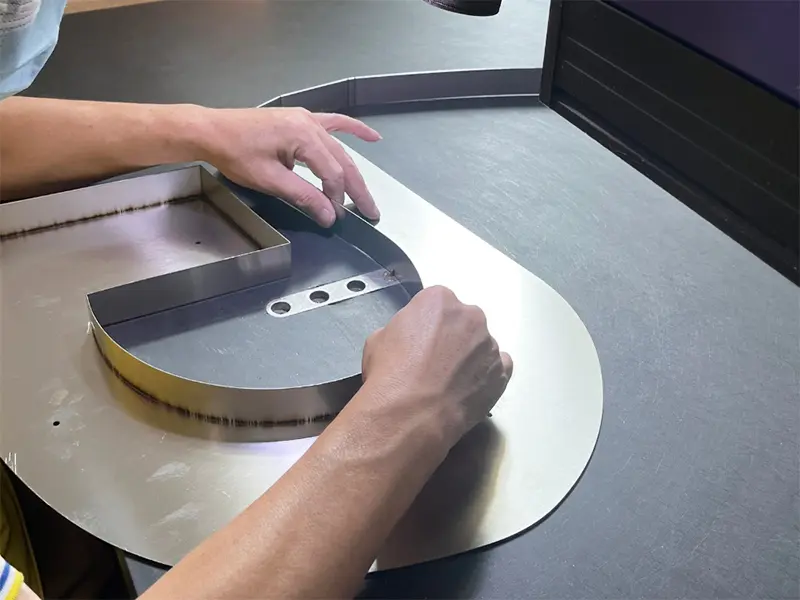
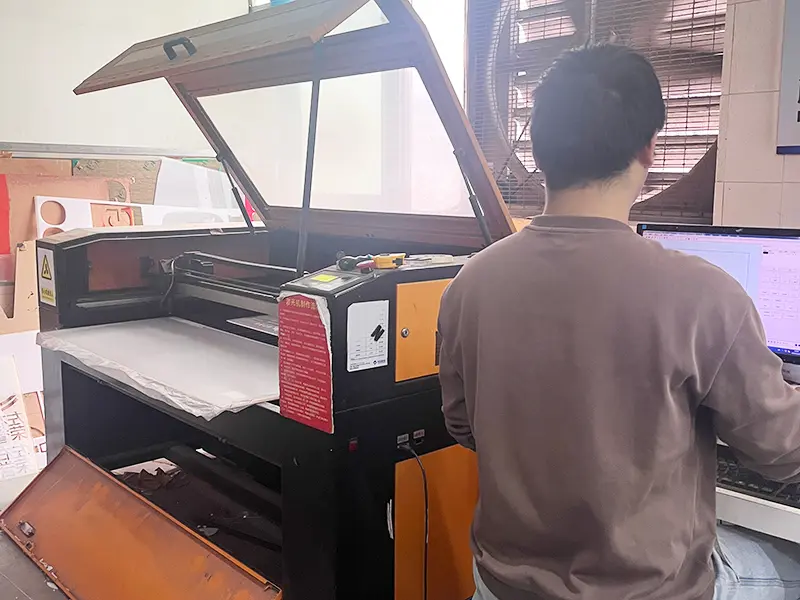
In the custom signage sector, the transition to Industry 4.0 principles has reshaped the traditional, labor-intensive custom workshop into a high-precision, automated manufacturing facility. Advanced software integrations link CAD/CAM designs directly with fiber laser cutters and CNC multi-axis channel benders. This setup allows for millimeter-level accuracy when replicating complex corporate logos and typographic styles.
China’s manufacturing ecosystems offer a unique combination of speed, material sourcing, and specialized engineering support. This specialized manufacturing network groups component suppliers—covering sheet metal, LED chips, potting resins, and specialized coatings—close to the core production hubs. This proximity simplifies the supply chain, ensuring short lead times even during large-scale global rollouts. It also allows for fast adaptation if architectural layouts or project specifications change during production.
By cutting out intermediate agents and distributors, we offer competitive direct factory pricing that improves project ROI.
Our engineering team handles structural calculations, photometrics, and low-voltage electrical plans in-house.
Every sign undergoes rigorous environmental tests, including 48-hour burn-in cycles and simulated thermal shock tests.
We support customized manufacturing from CAD files or provide custom structural engineering concepts from basic visual layouts.
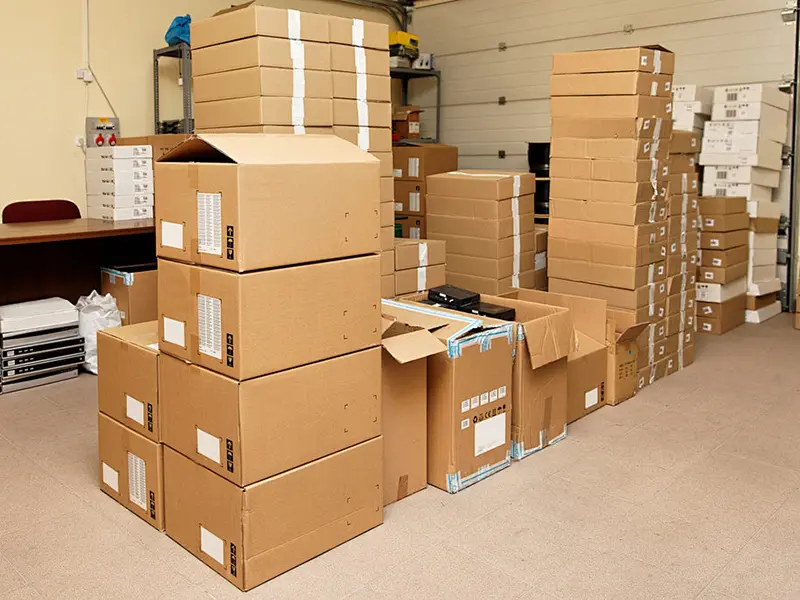
Equipped with advanced manufacturing machinery and experienced craftspeople to bring custom designs to life.
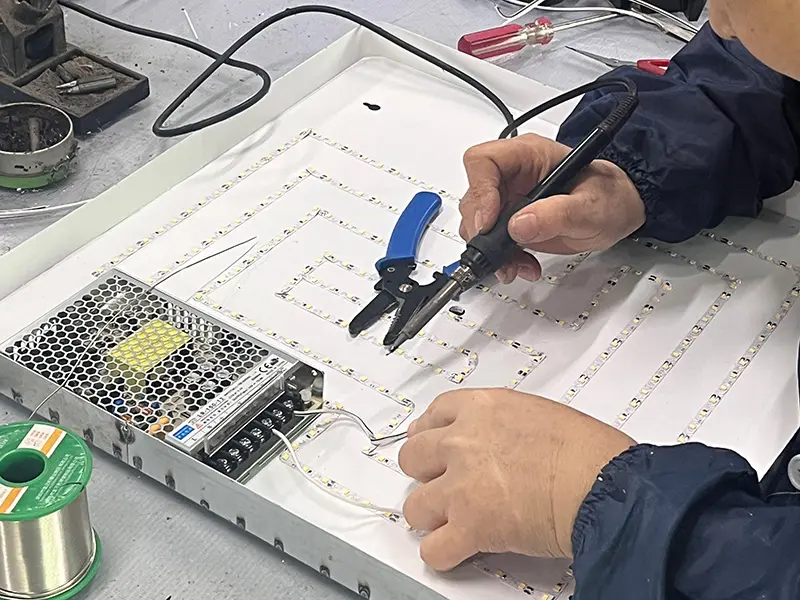
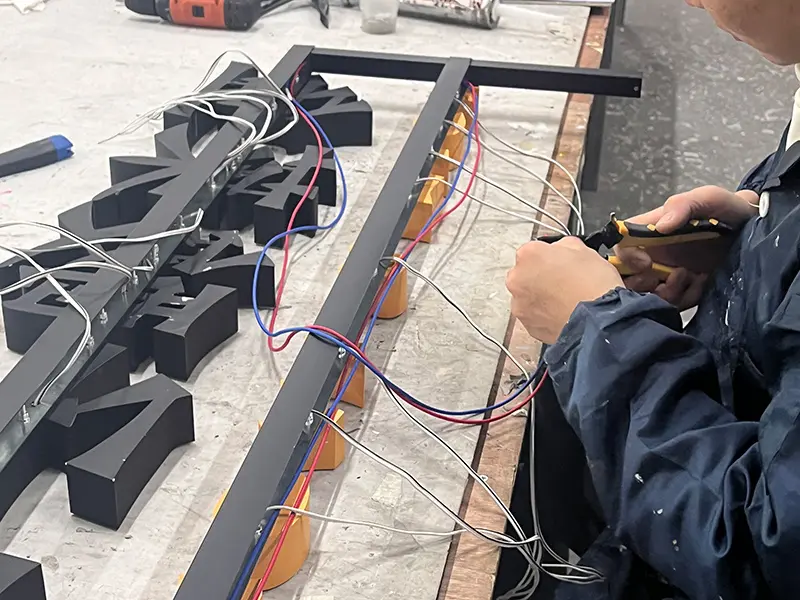
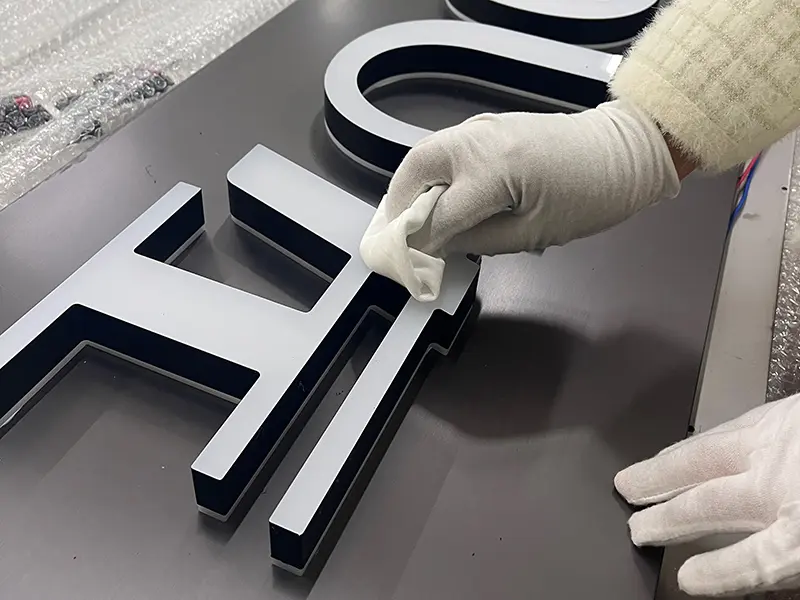
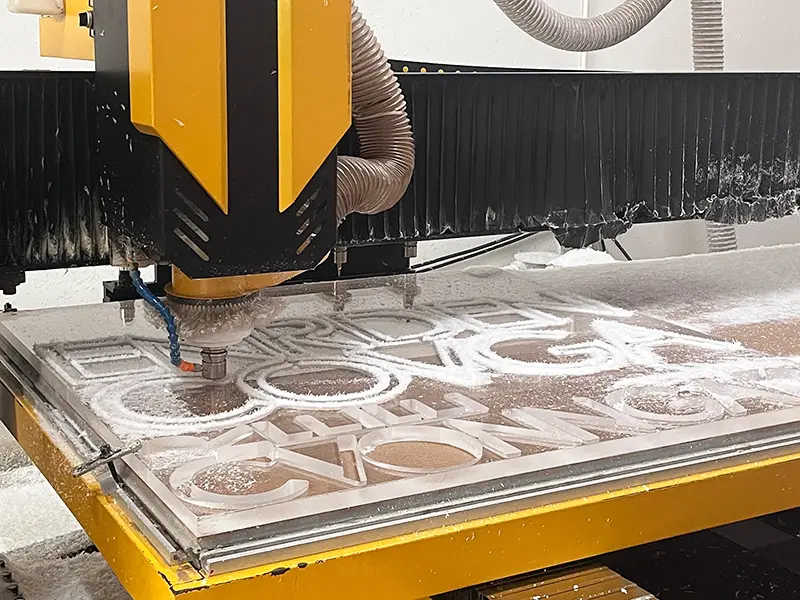
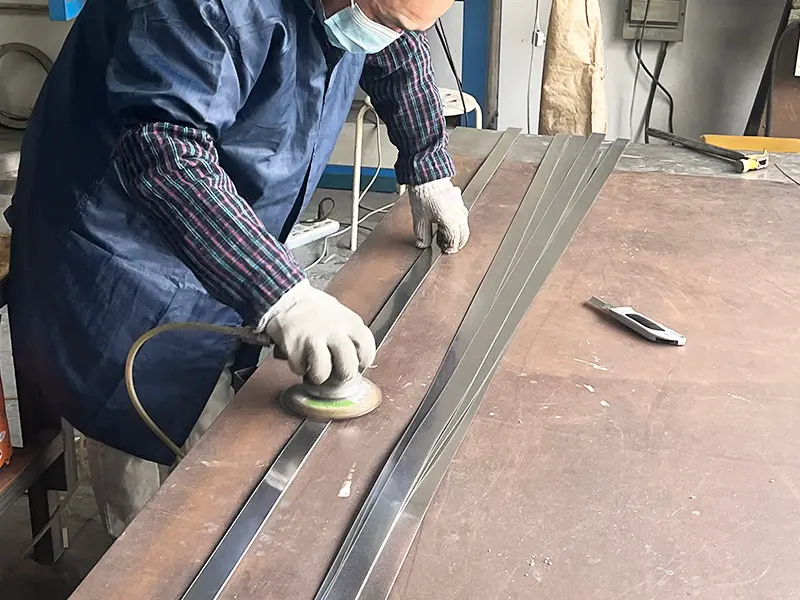
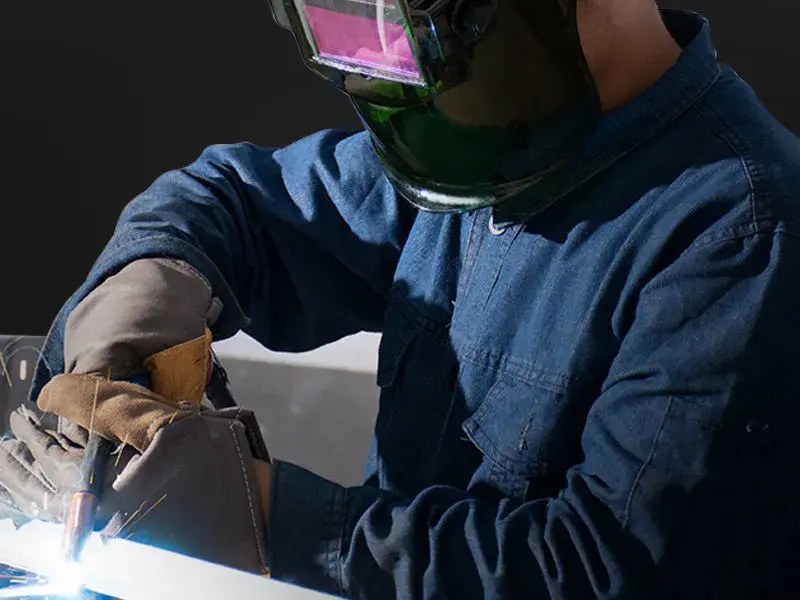
Using backlit signs outdoors exposes them to harsh environmental factors. These elements can cause galvanic corrosion, color degradation, LED lumen depreciation, and moisture intrusion, which can lead to early electrical failure. To ensure a long operating life, we choose materials based on strict mechanical and chemical resistance profiles:
1. Metallic Housings: Stainless steel (specifically Grade 304 or 316) is the standard for high-durability sign projects. Grade 316, containing molybdenum, is highly resistant to chlorides and is used for coastal properties. For lightweight or larger structures, we use high-strength aluminum alloys finished with architectural-grade powder coatings. This finish protects against oxidation and meets long-term UV exposure standards.
2. Light Diffusers and Acrylics: The soft halo light effect depends on the light transmission properties of the backing material. We use cast PMMA (polymethyl methacrylate) acrylic sheets, modified with light-diffusing agents. These sheets help avoid hot spots while maintaining high light transmission. The acrylic must be UV-stabilized to prevent yellowing or cracking under sunlight.
3. Solid-State Lighting (LED Engines): We source LEDs from leading manufacturers like Osram, Samsung, and Cree. These LEDs are selected for high color rendering index (CRI > 85), high color consistency, and low thermal resistance. They are protected within IP67-rated silicone sleeves or polyurethane resin potting. This helps protect the electrical components from condensation, dust, and rainfall.
Outdoor backlit LED signs are versatile and can be designed to match many different architectural styles and local environments:
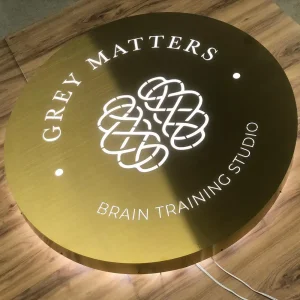
Luxury fashion, jewelry, and high-end automotive brands require high color accuracy and clean finishes. For these stores, halo-lit signs are often made with polished titanium-gold finishes or mirror-polished stainless steel. Precise backlit illumination creates a subtle glow that aligns with luxury branding.
Large corporate office parks and institutional complexes require legible, durable signage. Exterior branding must be clearly visible from highways and service roads. Backlit logos on textured concrete, brick, or steel facades provide clean readability at night without causing visual glare.
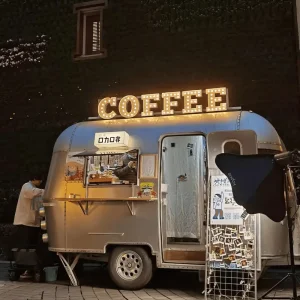
In hotels, resorts, and busy entertainment areas, signage helps set a welcoming atmosphere. Using warm white (2700K - 3000K) or RGBW color-changing backlit LEDs allows properties to adjust their lighting scheme to match different seasons or events.
Historical city centers often have strict laws that ban direct-lit plastic signs. Backlit metal letters on stand-off mounts offer a clean, subtle alternative. This style provides the necessary lighting while respecting the local historical architecture.
Detailed catalog of specialized letters, light boxes, and custom displays manufactured for global export.
Clear, technical answers to common questions about selecting, designing, and maintaining custom backlit outdoor signs.
A high-quality outdoor backlit LED sign using premium components (such as Cree or Samsung LED modules and Mean Well power drivers) has a standard operating life of 50,000 to 100,000 hours. This is equivalent to about 11 to 22 years of operation when running 12 hours a day. The metal structure (stainless steel or aluminum) and UV-stabilized acrylic can last even longer if regularly maintained.
To prevent water ingress, we use IP67 or IP68 rated waterproof LED modules. These modules are potted in protective silicone or polyurethane resins. The metal housing is designed with small weep holes at the lowest point of each letter. This allows any condensation to drain out naturally, preventing water from pooling inside the sign.
For coastal installations exposed to saltwater spray, we recommend using Grade 316 marine-grade stainless steel with a protective clear coat, or heavy-duty powder-coated aluminum. Standard steel or lower-grade alloys can rust quickly in saline environments. All mounting fasteners and standoffs should also be made from Grade 316 stainless steel to prevent galvanic corrosion.
Yes, our production lines follow strict quality and electrical safety guidelines. We build signs that meet UL 48 standards for North America, CE and RoHS requirements for European markets, and RCM/SAA standards for Australia and New Zealand. Certified electrical components are used, and test labels are applied to the housing before shipping.
Backlit letters are typically mounted using threaded metal standoffs (usually 0.5 to 1.5 inches long). This spacing creates the gap needed for the light to spread and form the halo effect. We supply a full-size paper drilling template showing the exact electrical entry points and stud locations to help ensure a clean and accurate installation.
To provide an accurate quote, we need vector design files (such as .AI, .EPS, .CDR, or .DXF) showing the final layout and dimensions. Please also specify your preferred materials (stainless steel, aluminum, acrylic), paint finishes, LED colors, and the installation surface. Our team will review the files to ensure the design is ready for manufacturing.
 Xinliangdian