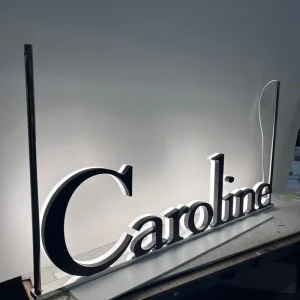
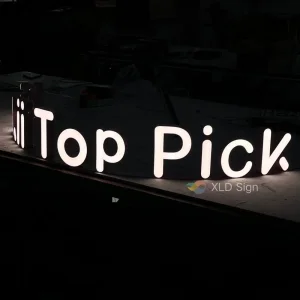
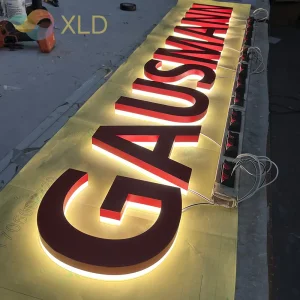
Explore our elite portfolio of illuminated letter signs, precision metalwork, and customized light boxes built for high global visibility.
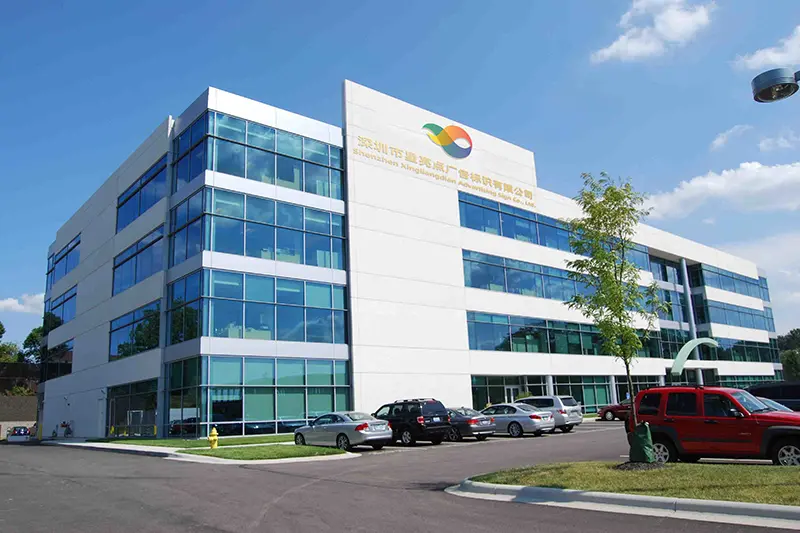
We are a professional factory covering an area of more than 3,000 square meters with more than 25 years of production experience in the advertising sign industry. We specialize in customizing a variety of illuminated business signs, light boxes, and Acrylic Faux Neon Signs. With comprehensive manufacturing capabilities, we can customize any unique business advertising sign to fit corporate visual standards and architectural requirements.
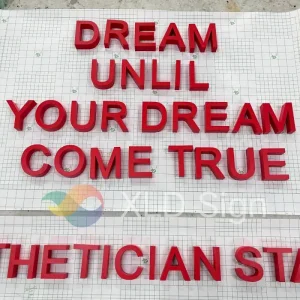
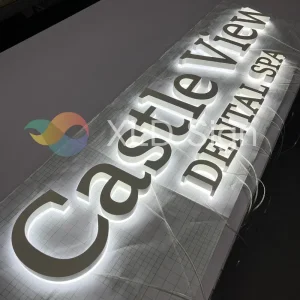
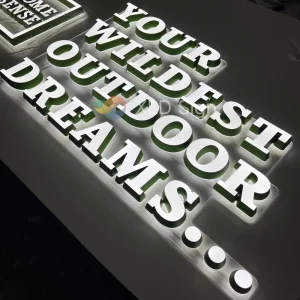
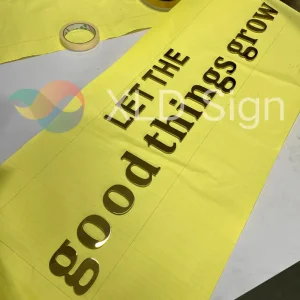
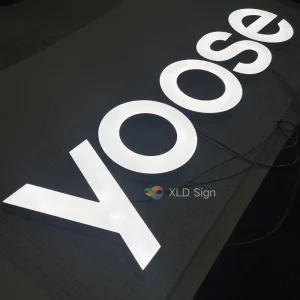
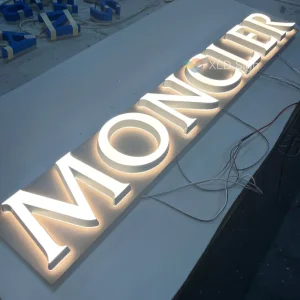
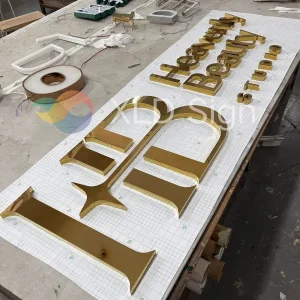
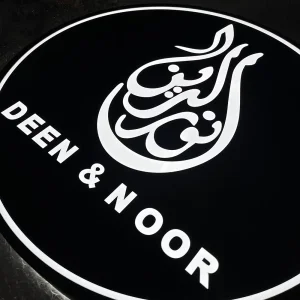
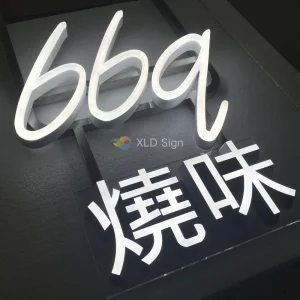
Our main product range spans LED Backlit Letter Signs, LED Frontlit Letter Signs, LED Front and Back Luminous Letter Signs, Non-illuminated Metal Letter Signs, Light Boxes, Acrylic Faux Neon Signs, and highly creative architectural business landmarks.
Our global operations are optimized to meet the strict structural and safety standards of diverse regions. We operate with high environmental integrity, offering systems designed to balance visual power with modern energy efficiency paradigms.
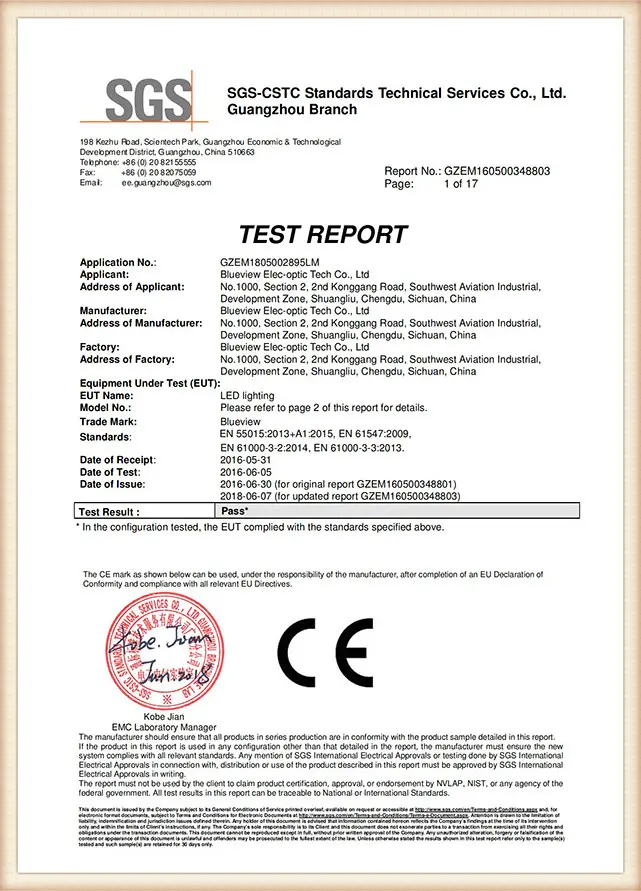
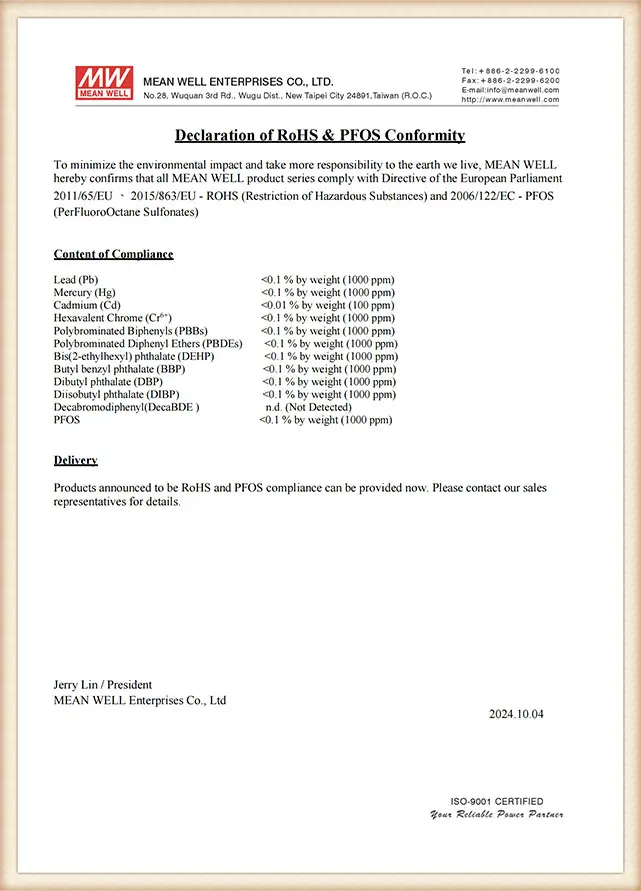
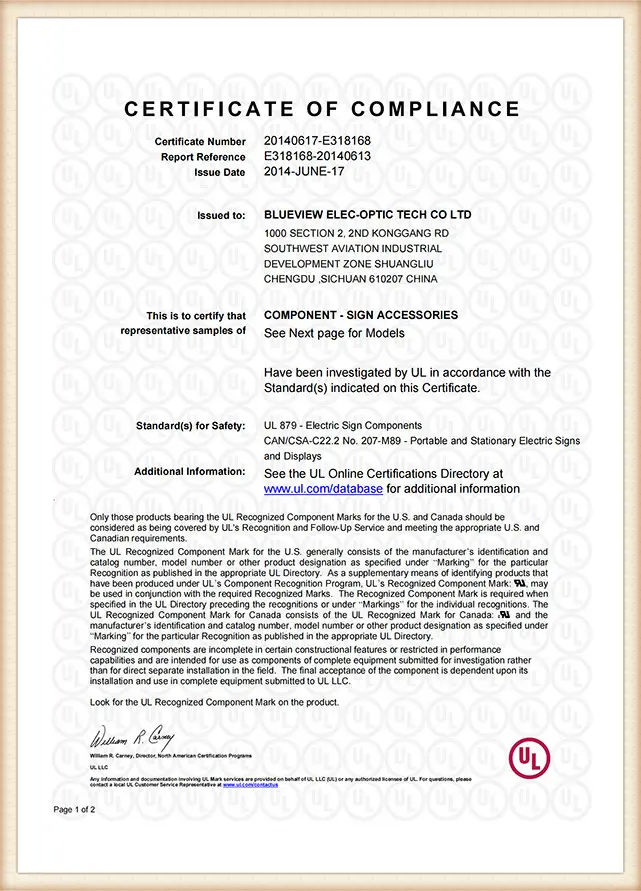
Our commitment to global structural and safety regulations is validated by leading third-party certifications.
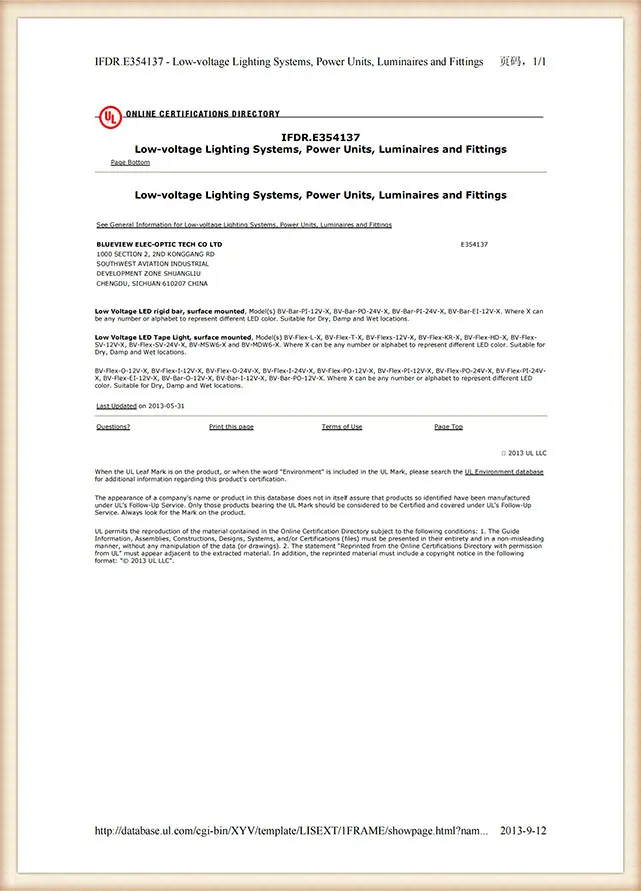
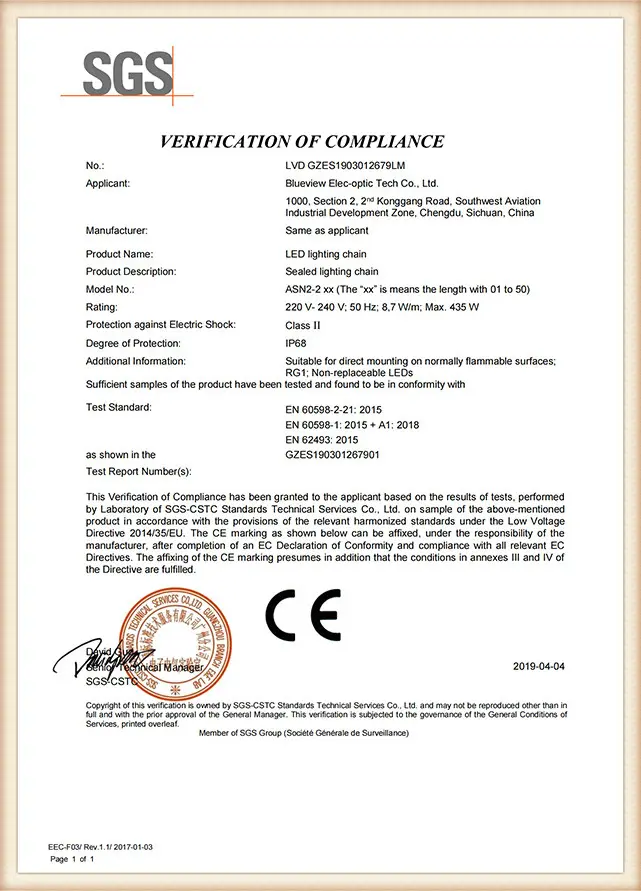
The modern architectural signage landscape has transitioned from basic informational markers into sophisticated, high-tech brand assets. In global commerce, a business signboard is no longer a static physical board. Instead, it operates as the primary offline touchpoint that integrates architectural aesthetics, electrical engineering, and brand psychology. Choosing the right industrial sign supplier is a critical capital expenditure (CAPEX) decision that impacts long-term brand equity, customer acquisition rates, and energy management metrics.
Globally, the commercial signage market is projected to reach billions in value, propelled by urban development projects, corporate rebranding initiatives, and retail expansions. Modern fabricators must reconcile structural durability, optical efficiency, and regulatory compliance (such as dark-sky regulations, localized wind-load capacities, and rigorous electrical standards). A professional manufacturing partner must bridge the gap between high-precision CAD modeling and heavy-duty, weather-resistant material assembly.
Procuring signboards without detailed material audits often leads to accelerated component failure. For outdoor LED signs, the difference between standard and premium grades lies in the chemical structure of the acrylic (PMMA with built-in UV stabilizers vs. recycled sheets that yellow rapidly) and the thermal management of the LED circuits. Our engineers prioritize high-performance LED matrices with low thermal resistance and excellent color rendering index (CRI ≥ 80) to minimize luminous decay over multi-year cycles.
Transitioning to high-lumen, low-voltage (12V/24V DC) LED strips minimizes energy consumption. Integrated constant-current drivers prevent voltage drop-off across extended signage layouts, securing even illumination without dim spots.
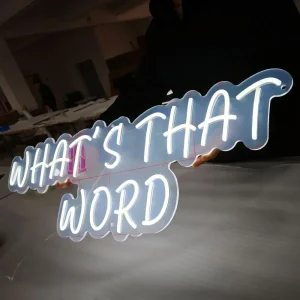
Modern signage relies on advanced PMMA formulations with optimized light scattering profiles. Faux neon technology uses high-density silicone or modified acrylic diffusers that achieve the warmth of glass neon with superior impact resistance.
Using marine-grade SUS316 or premium SUS304 stainless steel guarantees excellent anti-corrosion properties under demanding atmospheric conditions, such as high-salinity coastal areas or extreme industrial zones.
Industrial signage is not one-size-fits-all. Different commercial environments demand customized material selection, installation hardware, and illumination designs. Below are the primary application sectors and their engineering requirements:
High-end retail relies on mirror-polished stainless steel and precise halo-lit effects. These letters must display flawless finishes and premium backlighting to project brand prestige. Our custom white letters for spa shops and high-density acrylic faux neon signs are perfect for these premium environments.
Exterior signs on high-rise facades face extreme wind loads and weather conditions. These installations require structural backing structures, laser-cut thick steel shells, and high-intensity, IP67-rated outdoor LEDs capable of piercing fog and nighttime environments.
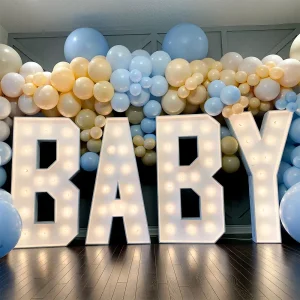
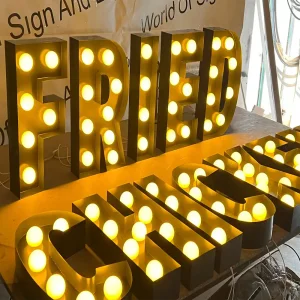
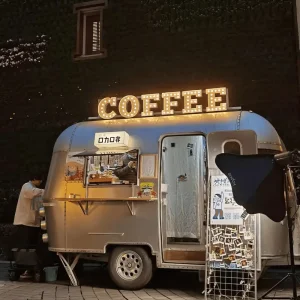
Weddings, high-traffic cafes, and event venues require highly customizable, eye-catching elements. Our custom wedding marquee letters and vintage light bulb coffee shop signs provide photogenic backdrops that drive brand shares on social media.
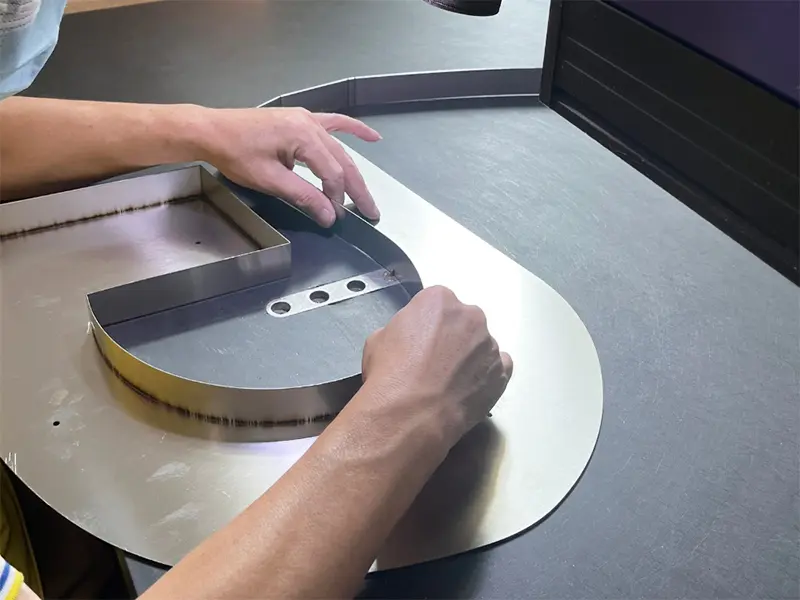
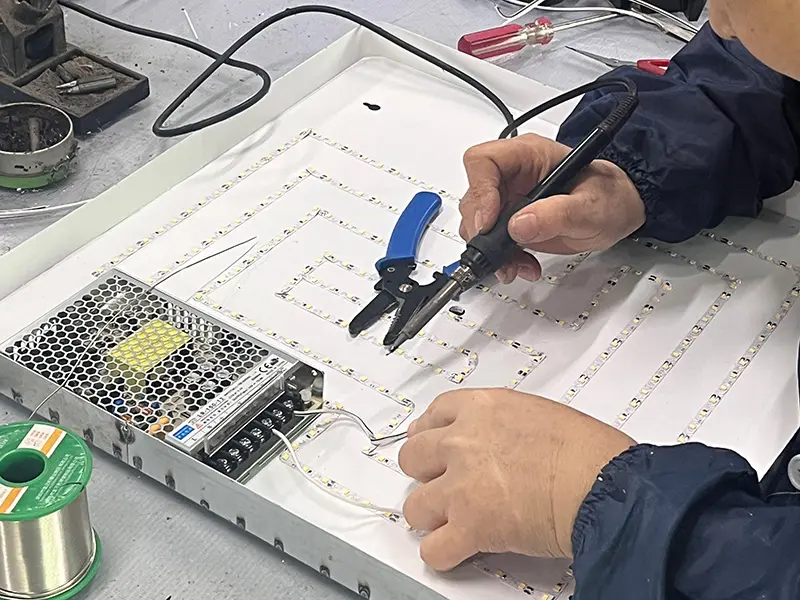
Our facility is equipped with state-of-the-art manufacturing machinery and run by highly skilled technical teams for every sign project. You can trust our team to bring your design concept to reality.
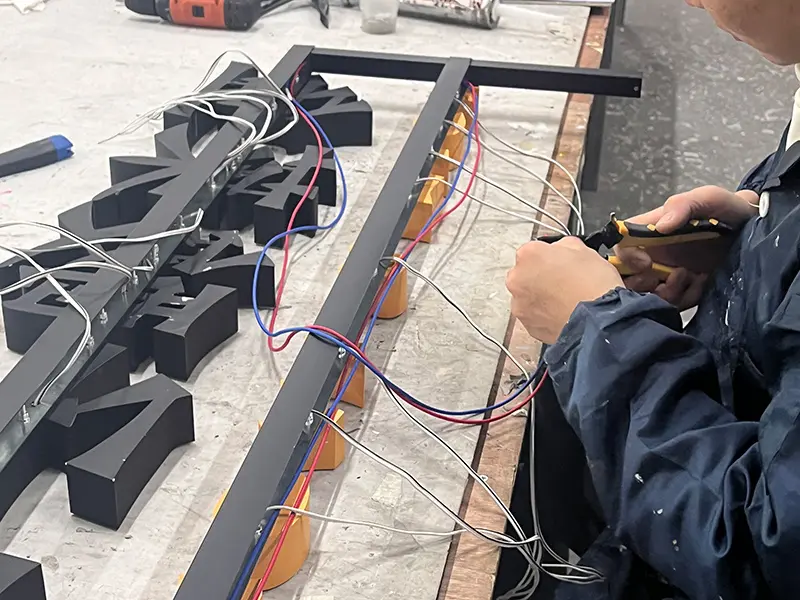
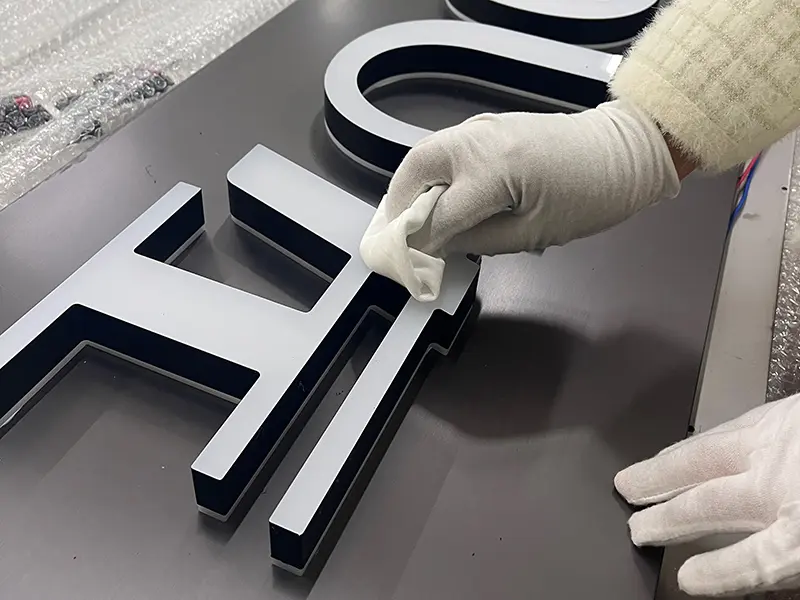
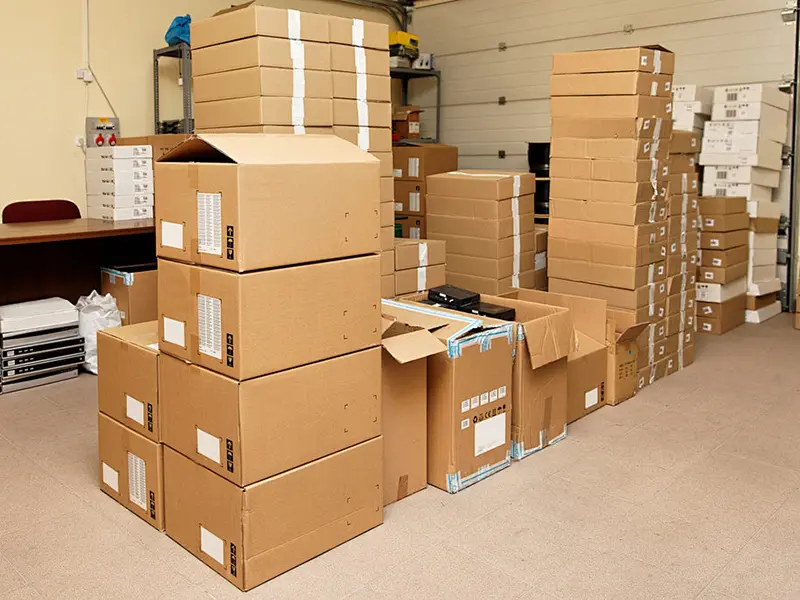
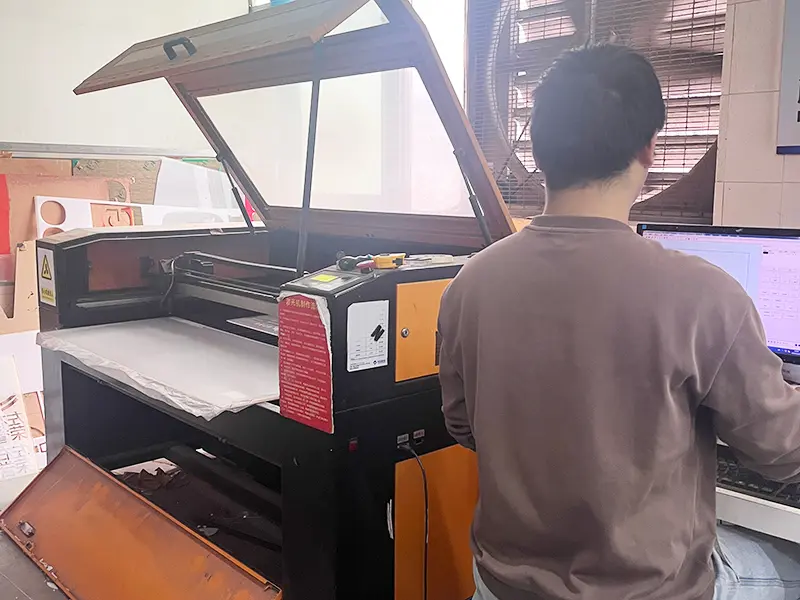
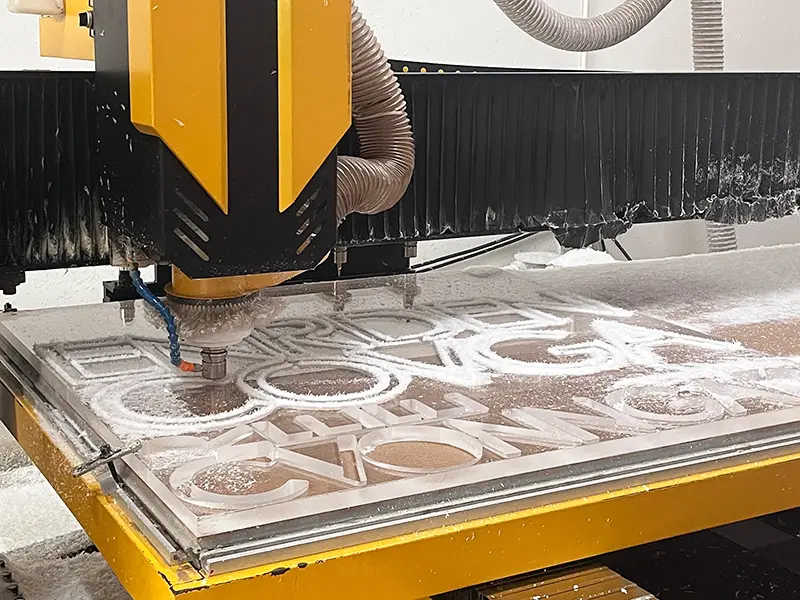
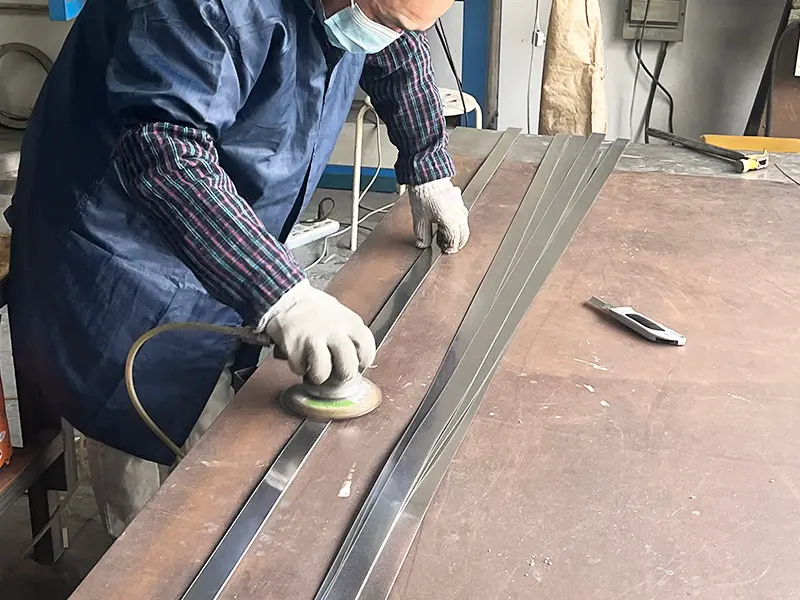
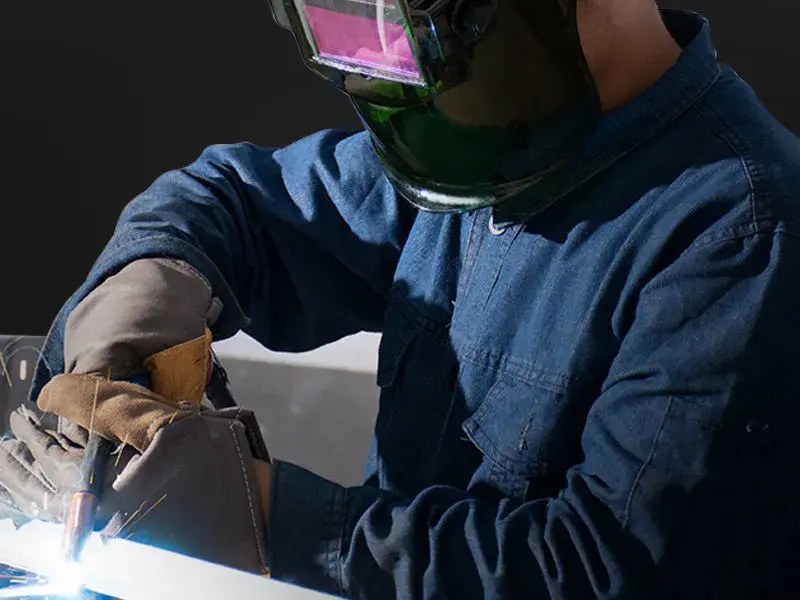
Why top global brands and design agencies choose our manufacturing facility as their long-term signage partner.
We have advanced production equipment, professional production lines, and an excellent QC team. By eliminating intermediaries, we guarantee competitive pricing, direct engineering communication, and faster lead times.
We provide reliable post-sale support and direct assistance to our customers. Our engineering support helps you choose the right materials, structural backing systems, and installation hardware.
We have a professional design team to help you find the best solution. From vectorizing logos to final electrical testing and overseas shipping, we handle every step under one roof.
We support comprehensive ODM / OEM services to meet your brand guidelines. We can customize dimensions, paint matching (Pantone/RAL), lighting temperatures, and mounting accessories to fit your exact specifications.
Creating complex architectural signboards requires strict adherence to engineering standards. Below is our standard manufacturing workflow, developed to ensure durability and quality compliance:
Client-provided graphics are converted into precise mechanical vectors. Our engineering team conducts structural loading simulations and designs internal mounting templates to simplify your installation process.
Using industrial CNC machines and high-power fiber lasers, we cut structural metal casings, PMMA sheets, and backing plates. Handcrafting curves and welding structural joints ensures a seamless, watertight envelope.
High-durability LED units are mounted to optimize lumen distribution. Every illuminated sign undergoes a continuous 24-hour electrical test to verify driver stability, prevent overheating, and ensure color uniformity.
As green building certifications like LEED become standard, global brands are prioritizing sustainable signage solutions. Traditional mercury-based neon is increasingly replaced by LED-driven alternatives, which drastically cut energy footprint and hazardous waste. In our factories, we prioritize recyclable PMMA and non-toxic powder coating processes that avoid harmful VOC emissions. By using high-performance Mean Well drivers, we help partners reduce operation costs while maintaining consistent brand brightness.
Get authoritative answers on signage construction, global standards, electrical parameters, and shipping options.
Browse our selection of durable front-lit letters, double-sided lightbox signs, and premium metal lettering options.
 Xinliangdian