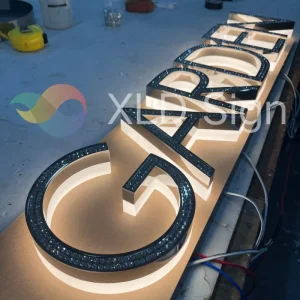
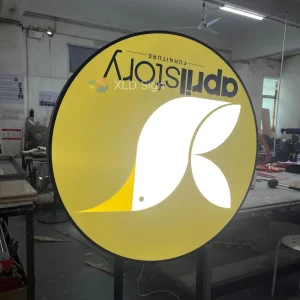
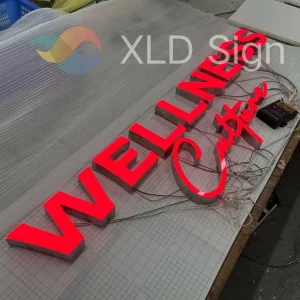
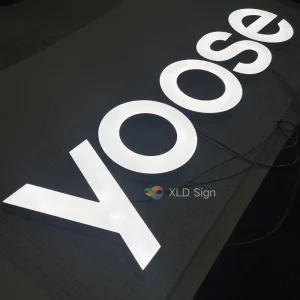
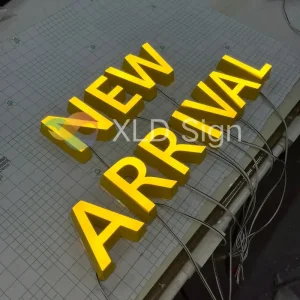
Explore our foundational range of premium illuminated systems, custom steel fabrications, and faux-neon implementations configured for demanding outdoor settings.
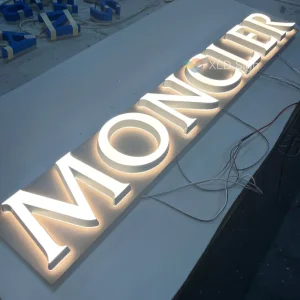
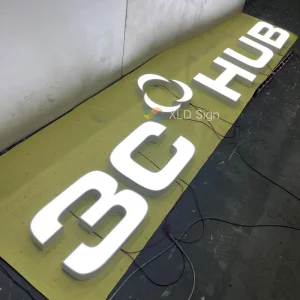
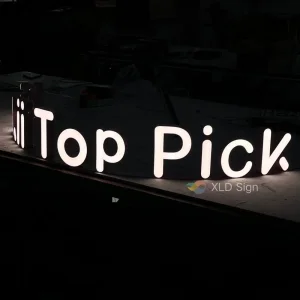
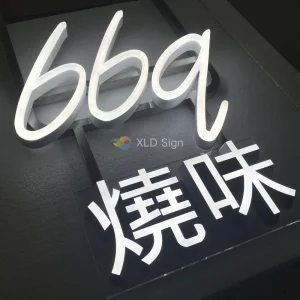
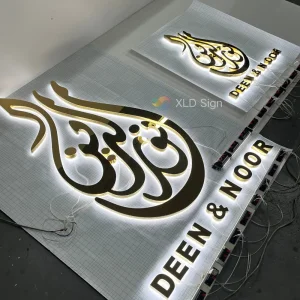
In the contemporary landscape of retail brick-and-mortar development, transit infrastructure, and corporate architectural integration, outdoor signs function as structural manifestations of brand integrity. Modern outdoor sign architectures have transitioned from static, non-communicative fixtures into highly modular, energy-efficient, and physically resilient platforms. For global purchasing organizations, the strategic evaluation of changeable outdoor signs requires an understanding of materials science, environmental mechanics, structural integrity, and optoelectronic safety standards.
What defines a modern changeable outdoor sign? Structurally, it refers to architectural sign frameworks built to accommodate visual updates, physical text swaps, modular display boards, or light-engine adjustments without requiring complete chassis replacement. This category covers a broad spectrum of engineered options:
"Selecting the proper changeable system ensures that visual communication tools can scale and adapt alongside evolving corporate identities while minimizing total lifecycle costs (TCO)."
Enterprise buyers do not search for signage simply as decorative elements. Search intent analysis reveals that engineering directors, design leads, and commercial procurement departments focus on structural reliability under wind pressure, color-rendering indices (CRI), photometrical uniformity, thermal safety parameters, and regional certification alignment. To meet these professional needs, this paper presents a detailed analysis of engineering standards, manufacturing processes, and logistical structures.
Procurement departments managing multinational footprints face several challenges when sourcing changeable outdoor signs. Factors like high UV exposure, coastal wind currents, variable grid voltages, and complex local code regulations must be factored into product specifications during the design phase.
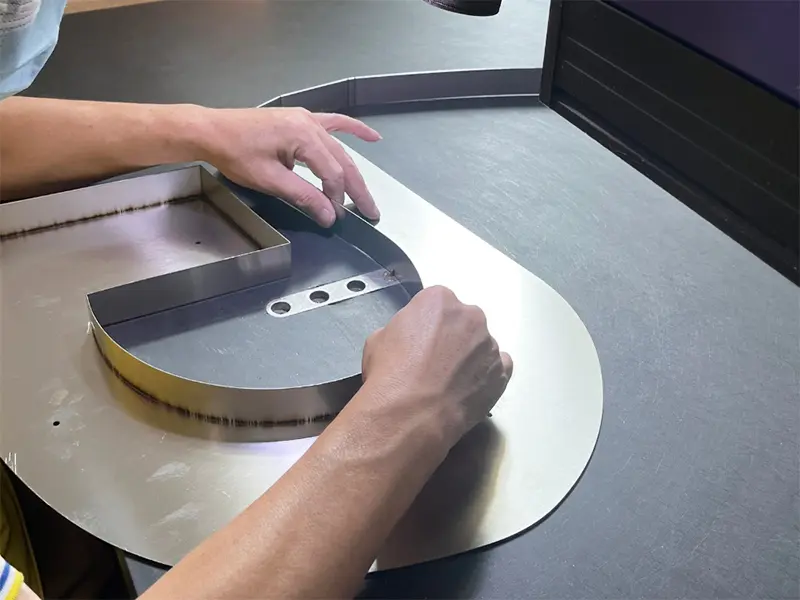
Outdoor signage is exposed to natural elements daily. Over time, UV light, salt mist, rain, and extreme temperatures can degrade substandard materials. To prevent yellowing, cracking, and water intrusion, specific design standards must be met:
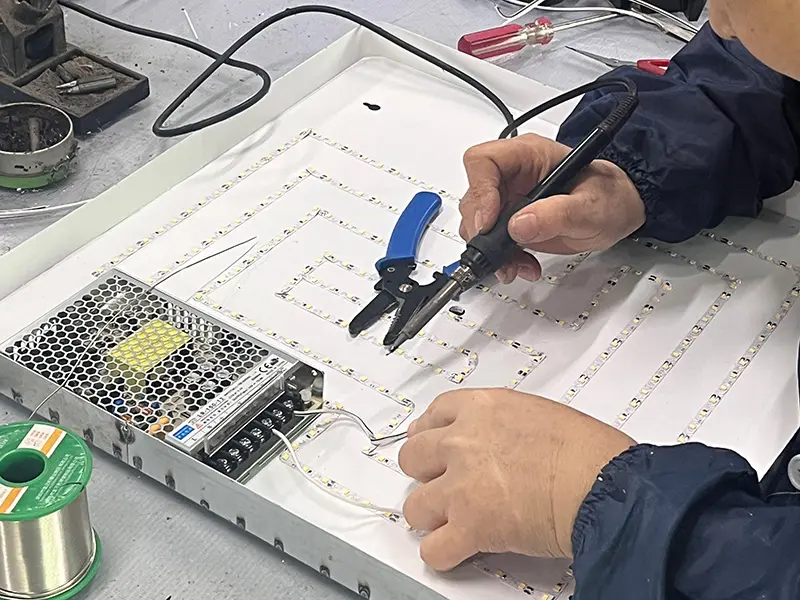
Luminous decay in outdoor LED modules is primarily driven by junction temperature elevation. If thermal energy is not conducted away from the LED dies, luminance levels decline rapidly, causing color shifts and premature component failures. Our engineering designs address this with integrated metal-core printed circuit boards (MCPCBs) bonded directly to structural aluminum backing plates, which act as highly effective heat sinks.
Global architectural installations must adhere to regional safety codes, environmental standards, and structural testing metrics. Installing signs that lack proper certification can lead to regulatory delays, liability issues, or project cancellations.
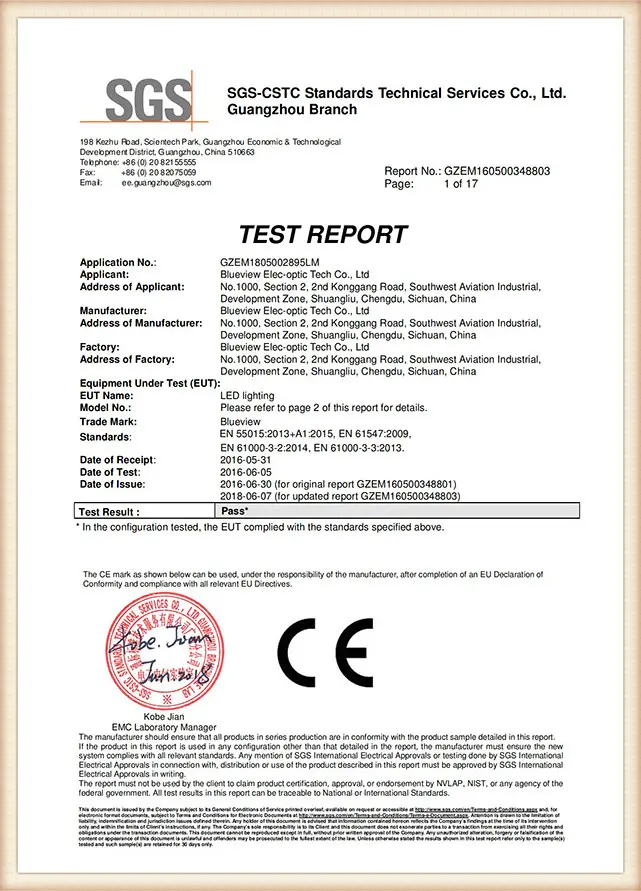
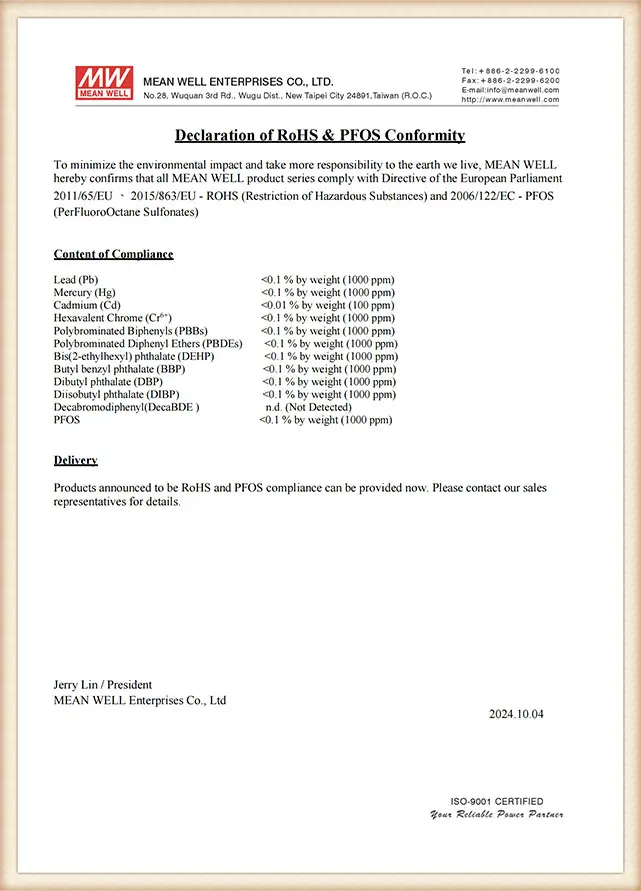
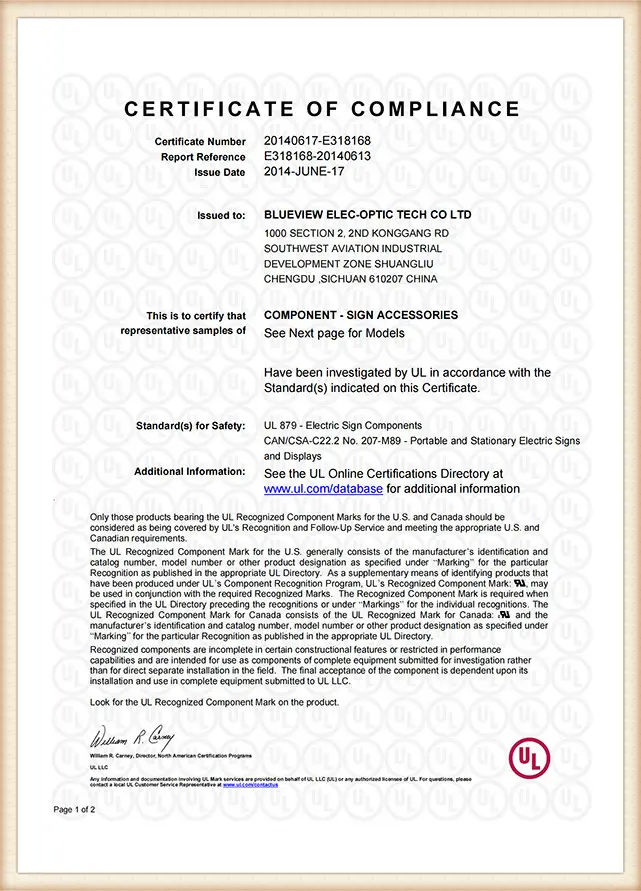
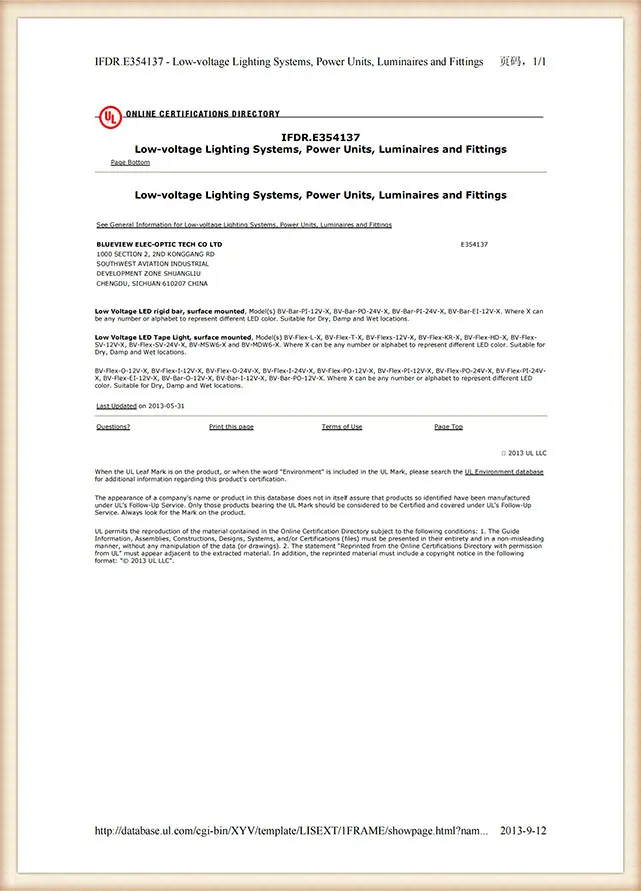
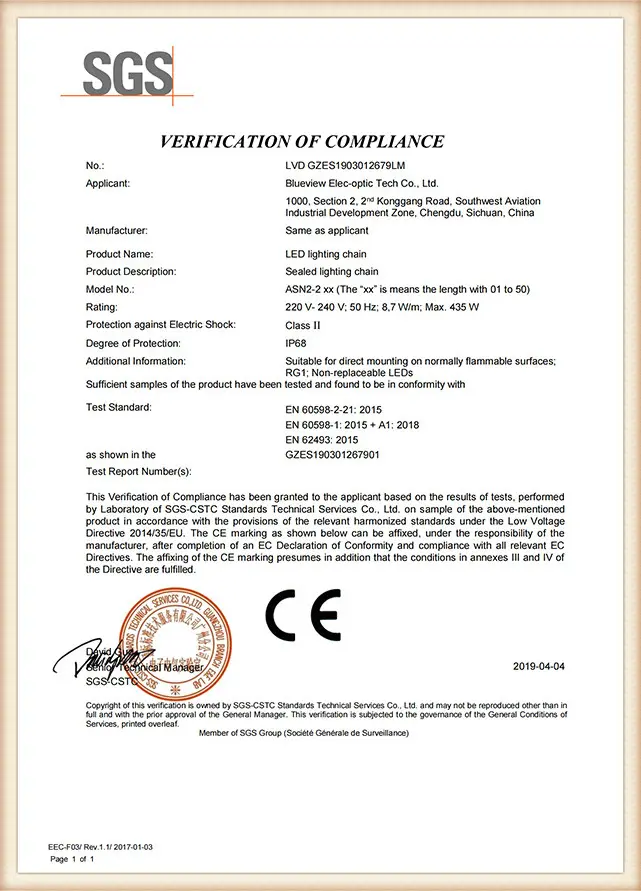
Our engineering team designs and manufactures signage in strict accordance with the following international standards, ensuring compliance across key global markets:
Operating a professional factory covering an area of more than 3,000 square meters with over 25 years of production experience in the advertising sign industry, we combine precision manufacturing with efficient logistics to deliver high-quality signs globally.
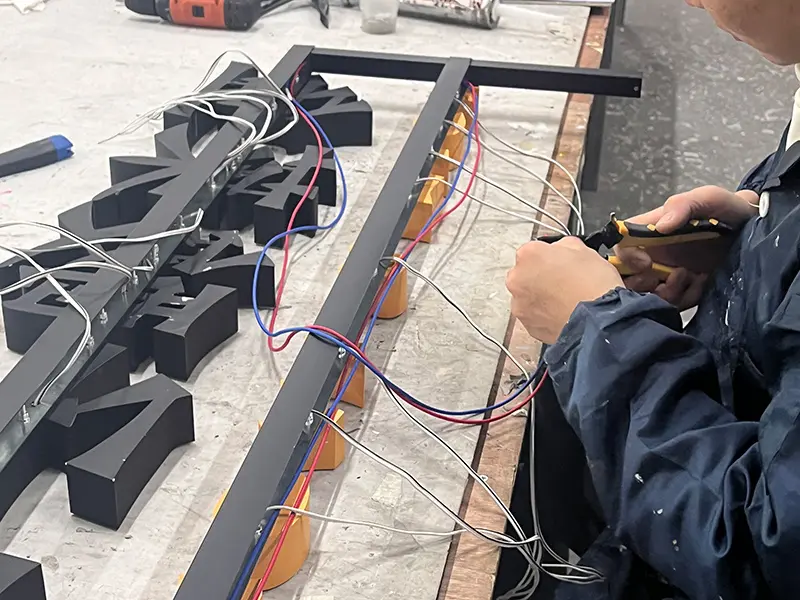
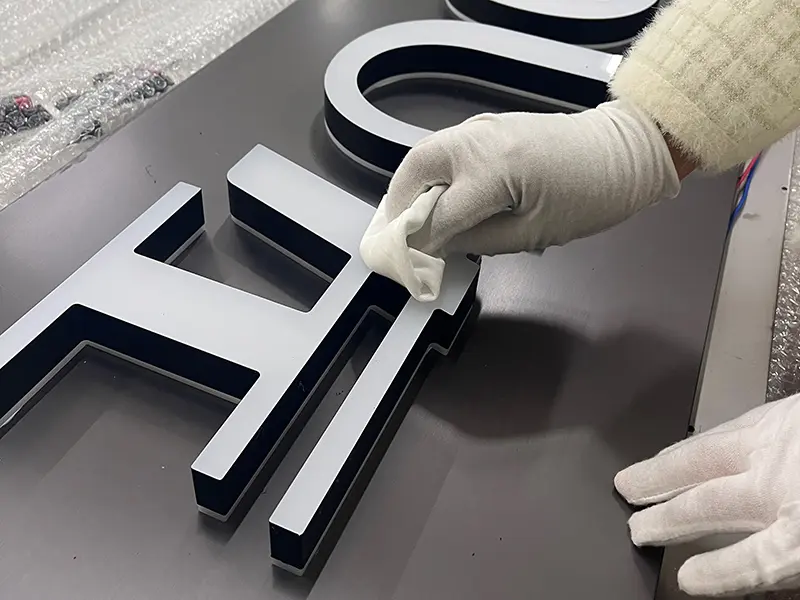
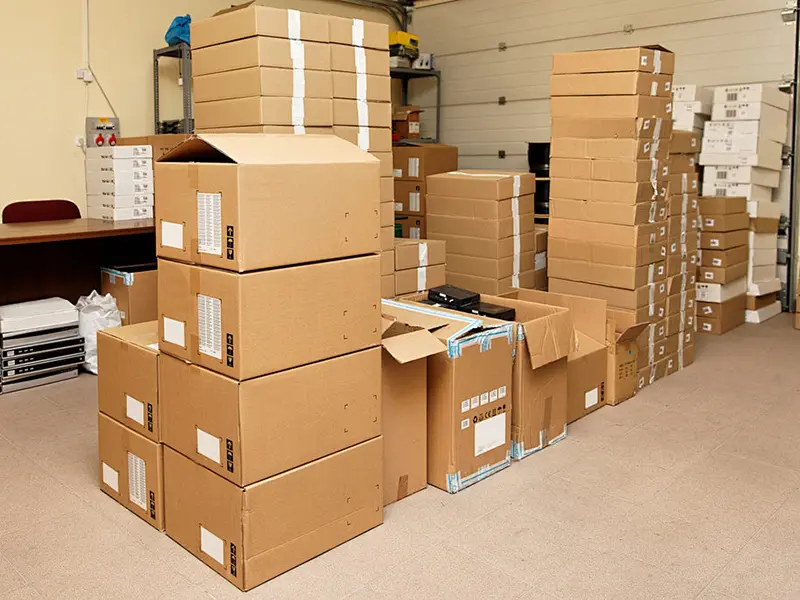
We operate advanced production lines, high-precision CNC machining centers, laser welders, and vacuum chambers overseen by a dedicated QC team.
We provide comprehensive technical support, installation guidance, and warranty service to ensure long-term, trouble-free operation.
From initial design files, material selection, and lighting simulations to international shipping and compliance reviews, we manage the entire project lifecycle.
We work directly with designers to realize custom colors, non-standard shapes, and integrated controls tailored to your brand specifications.
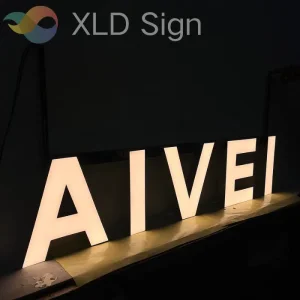
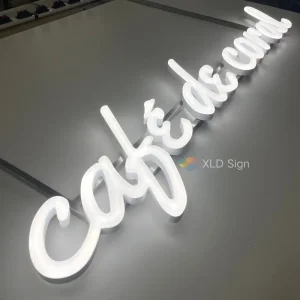
Our main products include LED Backlit Letter Signs, LED Frontlit Letter Signs, LED front and back luminous letter signs, Non-illuminated Metal Letter Signs, Light Boxes, Acrylic Faux Neon Signs, and other creative business signs. Leveraging industrial ecosystems, we offer benefits that help reduce total acquisition costs:
Changeable outdoor signs are designed for versatility. Below are common installation scenarios that demonstrate how modular design supports operational needs.
For shopping districts with seasonal visual updates, modular channel systems allow companies to refresh color profiles, text elements, and logos without replacing the main structural frame.
Environments like airports and railway stations require clear, high-contrast directories. Modular lightboxes and changeable outdoor directional signs ensure information can be updated easily as terminal layouts evolve.
Operating in harsh environments, these locations require durable signs. Changeable digit panels and illuminated elements are sealed to withstand road grime, exhaust fumes, and power fluctuations.
The signage industry continues to incorporate advancements in material science and electronic integration. Key trends include:
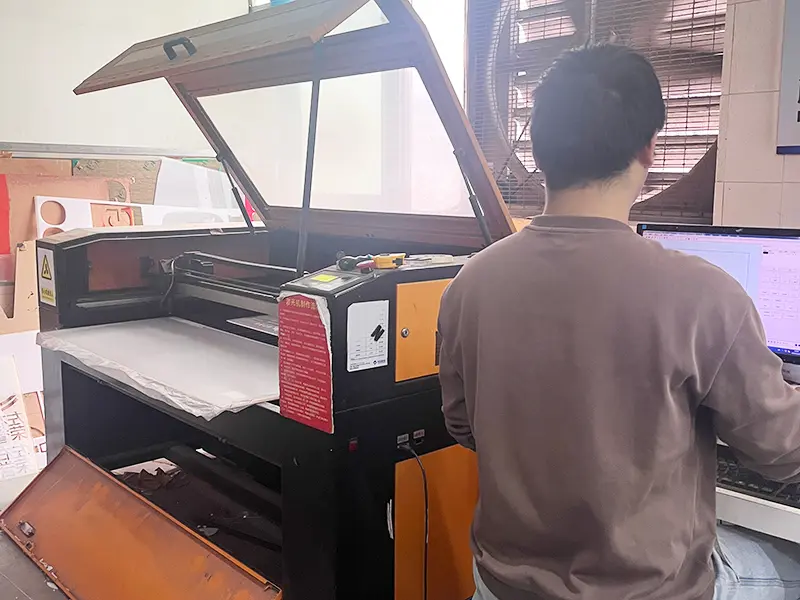
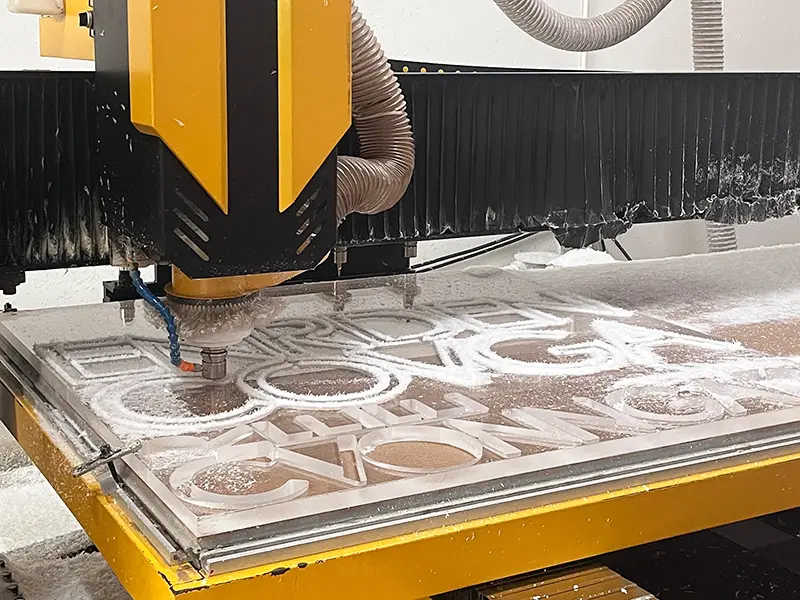
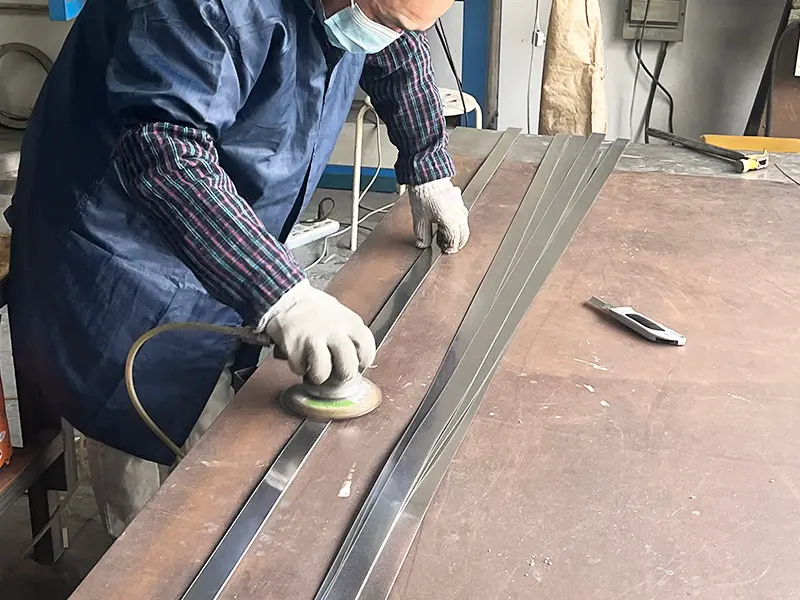
Global brands are prioritizing sustainable sourcing. As a result, the industry is transitioning toward recyclable aluminum structures, bio-based monomers for acrylic face components, and low-VOC paints and powder coatings.
New high-efficiency LEDs deliver higher lumens-per-watt ratios, lowering operational energy costs and extending component lifespans. Integrating smart light sensors also allows signs to dynamically dim during night hours, reducing light pollution and conserving energy.
Modern sign installations are increasingly equipped with remote diagnostics. Integrated sensors can monitor internal temperatures and electrical currents, signaling maintenance needs before a component fails to help reduce down-time.
Common technical, regulatory, and logistics questions addressed by our engineering department.
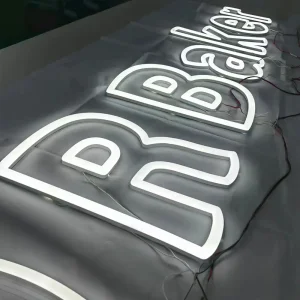
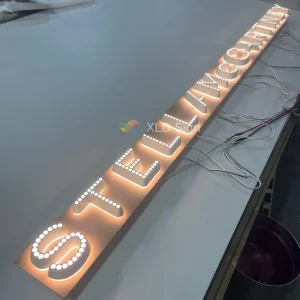
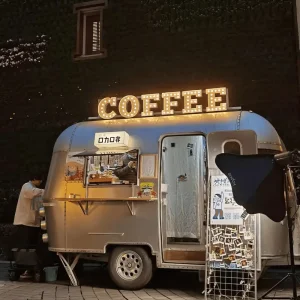
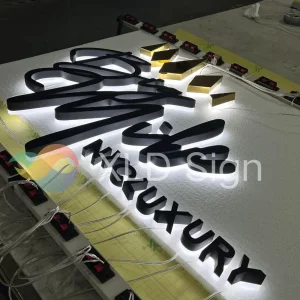
Explore our additional illuminated signage systems, customized coffee-station accents, hanging letter assemblies, and customized faux-neon designs.
 Xinliangdian