Precision engineered, LED-illuminated, and custom fabricated signage solutions built to international standards.


In modern corporate real estate, logistics hubs, and industrial mega-facilities, emergency evacuation signage is not merely a statutory obligation; it is a foundational component of active life safety infrastructure. Rapid global urban growth and the development of massive mixed-use developments have significantly heightened expectations for visibility, durability, and reliability under catastrophic circumstances.
Enterprise procurement teams face distinct challenges when selecting emergency egress markers. Environmental conditions fluctuate from high-humidity production halls to sub-zero distribution units and corrosive marine vessels. System specifiers must balance compliance with localized structural codes (such as NFPA 101, BS 5266, or AS 2293) against architectural expectations, energy profiles, and maintenance expenses.
From architectural luxury to heavy industrial robustness, we engineer application-specific exit sign configurations built for demanding installations.
Sleek, edge-lit acrylic designs with recess mounts that eliminate dust accumulation points. Perfect for high-end corporate headquarters, pharmaceutical labs, and microelectronics facilities.
Cast aluminum enclosures with flame-retardant glass panels. Engineered specifically to survive severe impacts, chemical washdowns, and explosive dust or gas hazards (Class I Div 2).
Signs integrated with central building management platforms using BACnet or Modbus protocols. Self-testing systems that communicate status back to central dashboards dynamically.
Internal heating elements combined with IP67 sealed housings, designed to operate continuously in walk-in freezers down to -40°C or high-temperature steam rooms.
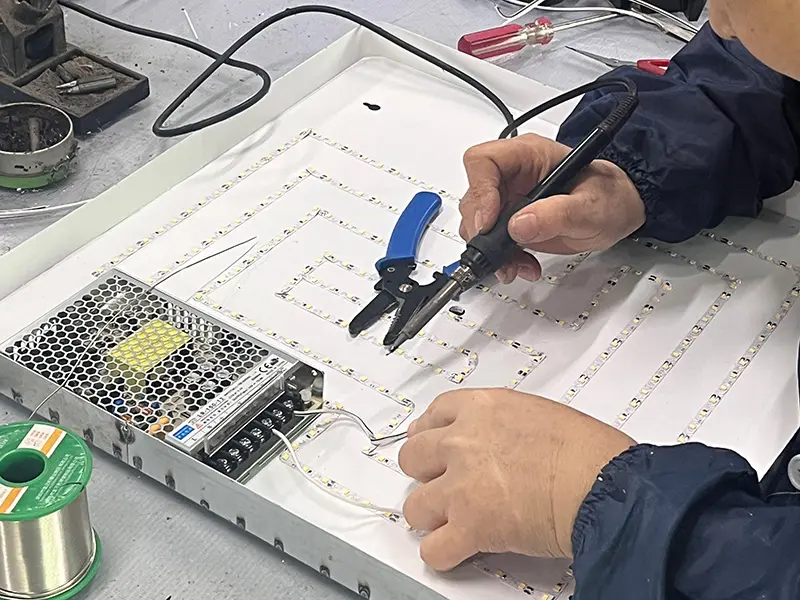
The transition from incandescent emergency lighting to solid-state LED systems was only the beginning. The emergency signage sector is currently witnessing a massive integration phase involving IoT protocols, advanced photolithography, and sustainable energy storage. Product designers must ensure that luminaire optics, driver circuitry, and emergency power management perform flawlessly under stressful load variations.
Proper sign visibility depends on luminance contrast and distribution. Utilizing light guide plates (LGP) with custom-etched dot matrix patterns allows us to control the light extraction angle. This technology produces uniform luminance of over 15 cd/m² across the green background, ensuring maximum visibility in smoke-filled corridors without causing disabling glare to evacuees.
Traditional Nickel-Cadmium (Ni-Cd) batteries are being replaced by Lithium Iron Phosphate (LiFePO4) chemistries due to their high thermal stability, longer lifespans, and eco-friendly composition. Our integrated smart BMS monitors cell voltage, prevents overcharging, and executes automatic cyclical discharge testing, extending battery service life to over 8-10 years.
Static fire signs indicate paths that might lead toward a hazard. The future of life safety relies on adaptive egress signs. These devices communicate with localized smoke alarms and gas sensors, changing display configurations (e.g., displaying a red cross instead of a green arrow) to divert building occupants away from unsafe zones.
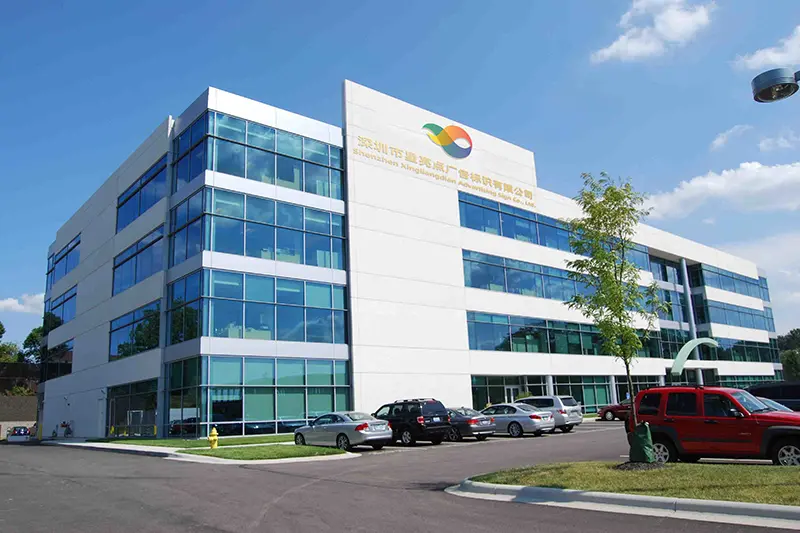
Operating from a modern, state-of-the-art facility spanning over 3,000 square meters, we bring more than 25 years of specialized manufacturing experience to the industrial advertising and emergency signage sectors. We support global procurement agencies, structural engineers, and commercial distributors by fabricating highly reliable, code-compliant sign systems.
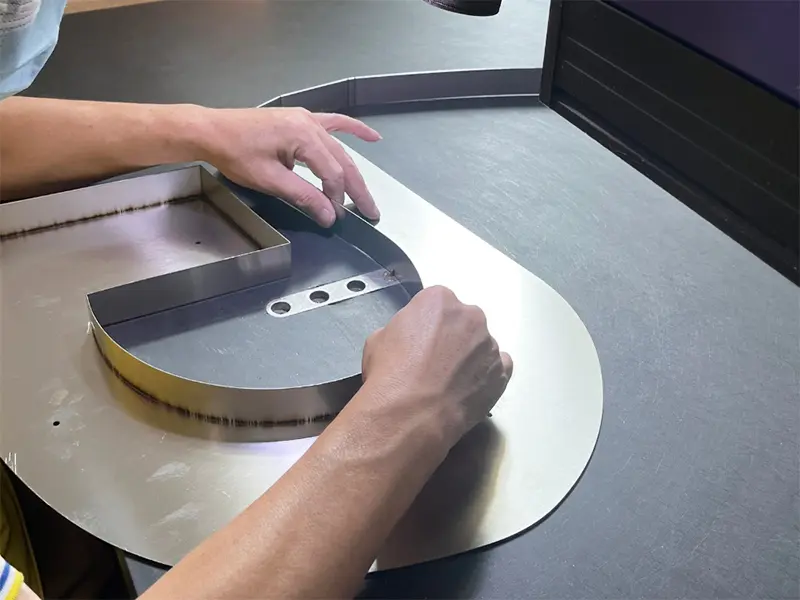
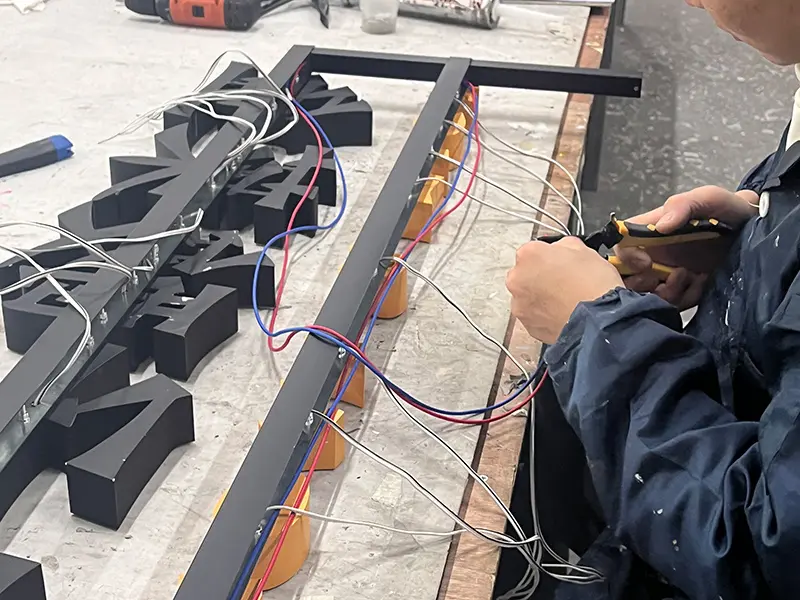
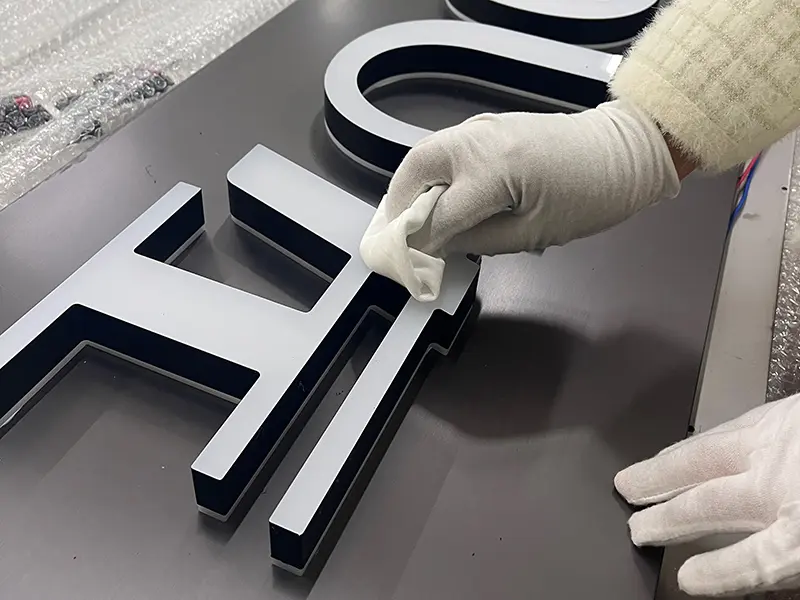
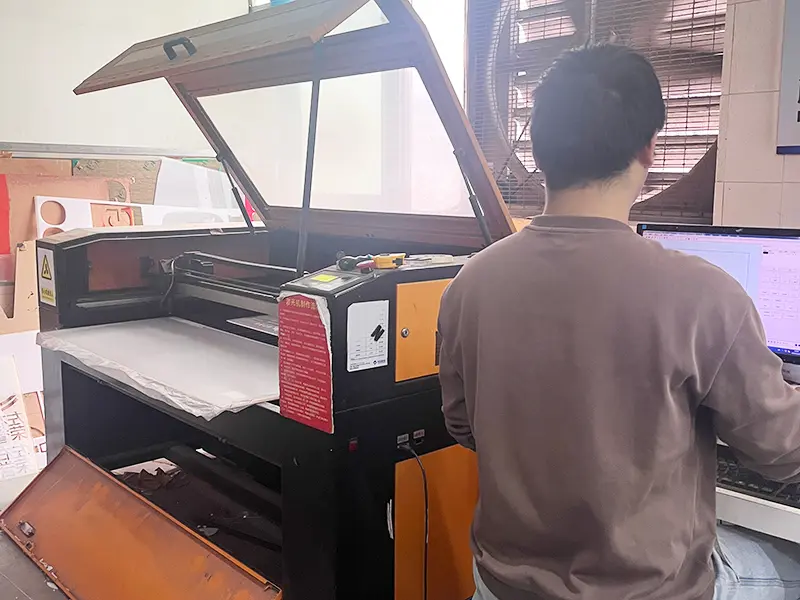
Our facility houses high-precision CNC mills, laser cutters, automated screen printers, and cleanroom assembly bays. Controlling the manufacturing process end-to-end allows us to lower costs and maintain strict quality control.
We have spent decades solving complex structural, material, and optical engineering challenges. Our engineering team can translate raw client designs into rugged, code-compliant safety signs.
We customize signage sizes, mounting brackets, voltages, and symbols to meet regional code demands. Our quick prototyping keeps fast-moving construction projects on schedule.
Every illuminated sign goes through thermal testing, humidity chamber exposure, and extended burn-in cycles to guarantee reliable operation when emergency power is activated.

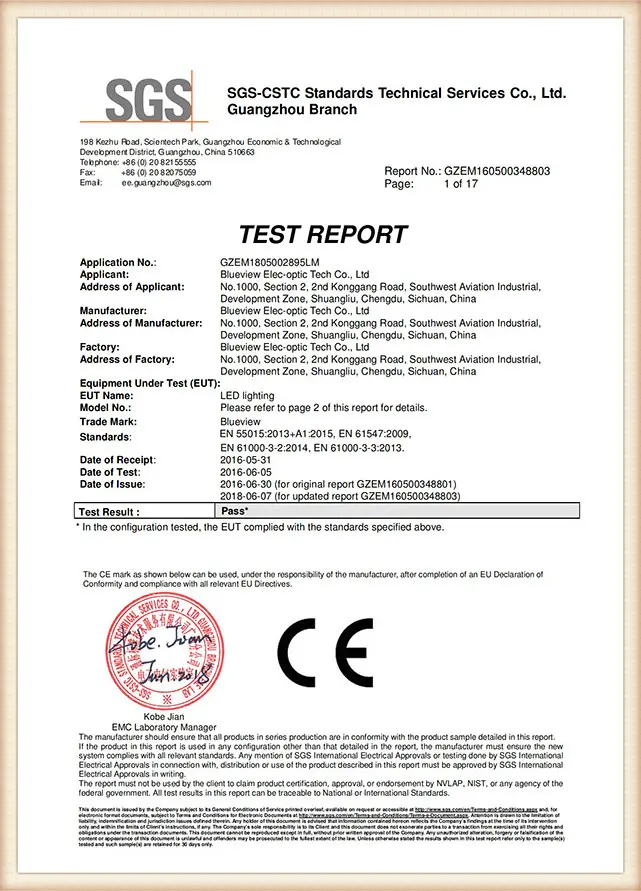
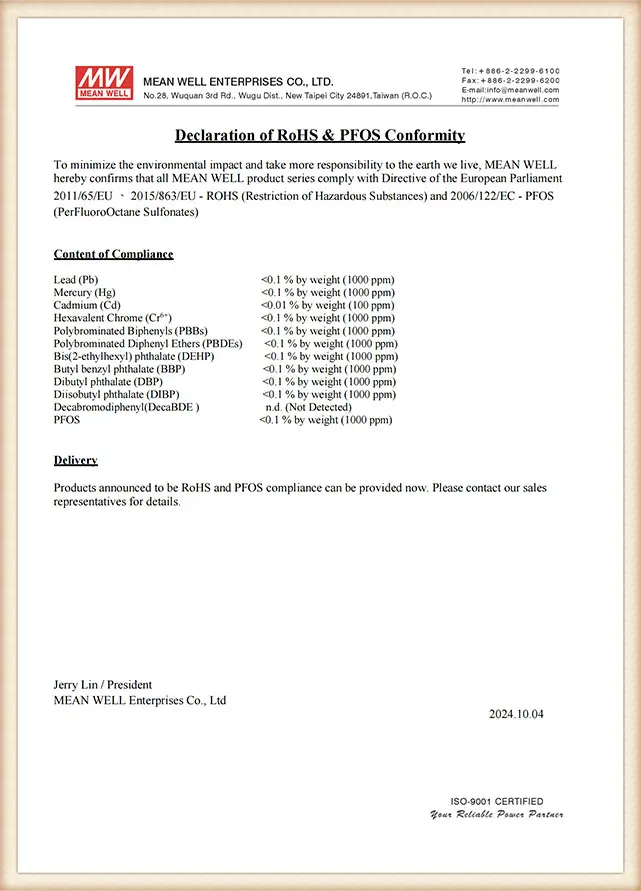
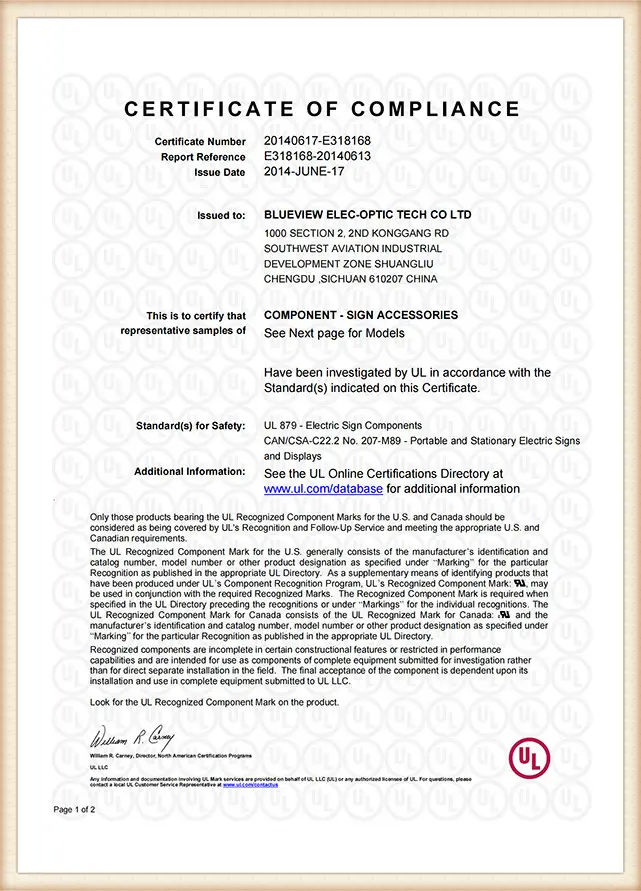
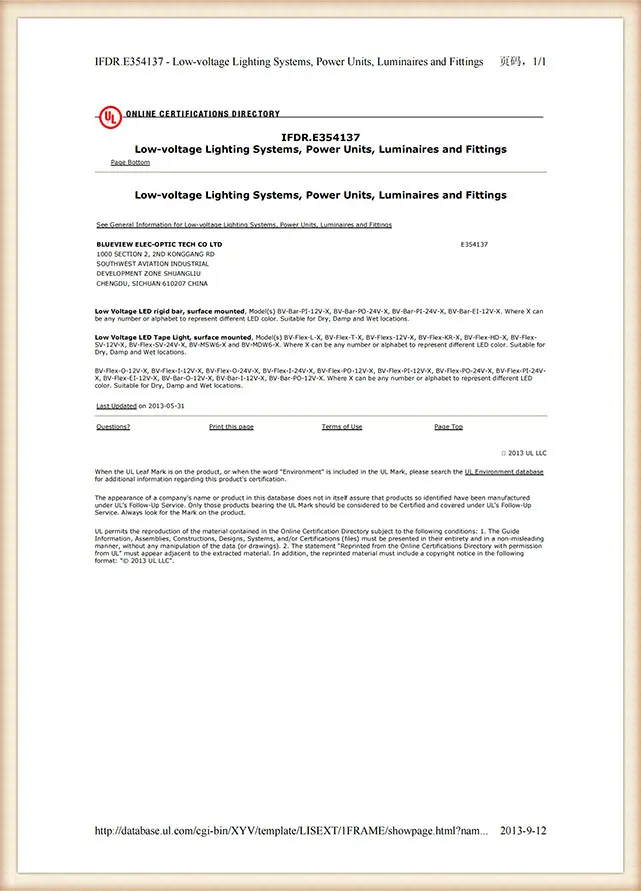
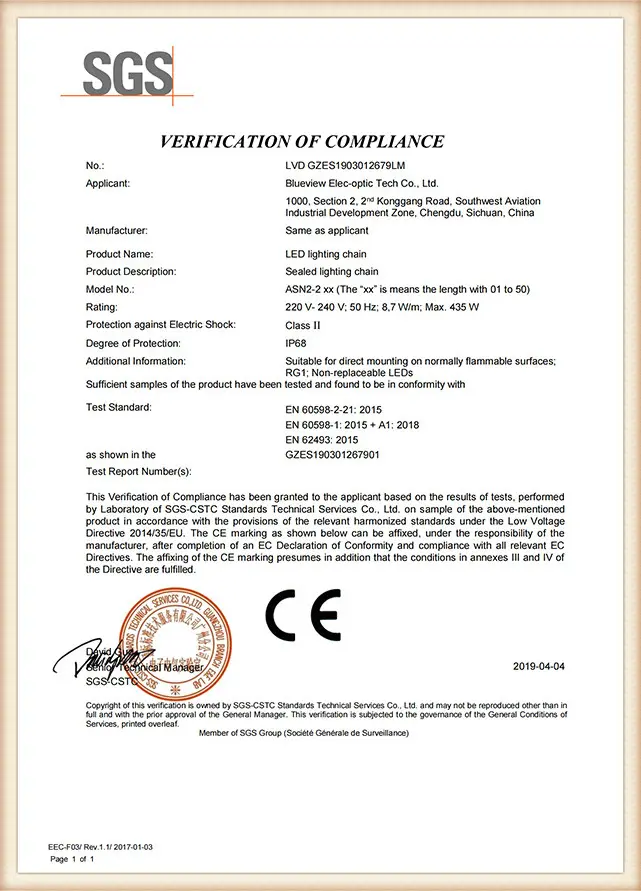
Emergency egress lighting is highly regulated by municipal safety codes. Installing uncertified signs can lead to heavy fines, insurance claims, or catastrophic failures. Our factory maintains rigorous testing standards to satisfy global compliance profiles.
We design and manufacture our products to comply with major safety standards including UL (Underwriters Laboratories), CE, RCM, SAA, and RoHS. This compliance ensures our products meet the low voltage, electrical safety, thermal safety, and hazardous substances requirements of markets in North America, Europe, Oceania, and Asia.
Answers to complex engineering, installation, and compliance questions faced by system designers and procurement managers.
UL 924 is a North American test standard focusing heavily on visibility metrics, emergency run times (minimum 90 minutes), case durability, and flame retardancy. EN 1838, used across the EU, focuses on specific lux distributions along the centerline of egress paths (typically 1 lux minimum along the floor) and specifies green contrast ratios, viewing distances (based on whether the sign is internally or externally illuminated), and formatting for ISO symbols.
Ambient temperatures outside the 10°C to 40°C range can degrade battery capacity. Cold storage facilities (-10°C to -40°C) require localized thermal heating blankets to prevent electrolyte freezing in Ni-Cd or LiFePO4 cells. High-temperature industrial zones accelerate chemical degradation, necessitating remote battery enclosures or advanced thermal insulation structures to prevent premature cell failure.
Directly backlit LED panels can suffer from uneven hotspotting, which impairs sign legibility from far distances. Light guiding technology bounces LED output laterally inside an optical acrylic layer using internal refraction. The micro-etched points extract the light evenly across the sign face. This uniform, non-glare surface is highly legible from different angles and through thick smoke.
For architectural branding, we can blend corporate design guides with safety code signs. Clients supply vector files (DWG/DXF/AI) and mounting/voltage parameters. Our team creates CAD proofs showing light output paths and structural configurations. After physical prototype approval, we begin CNC routing, finish coating, and certification testing before mass production.
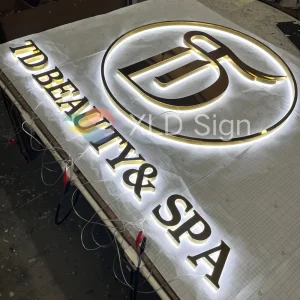
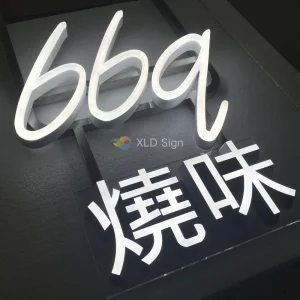
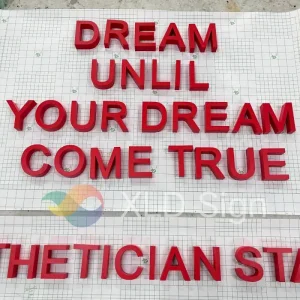
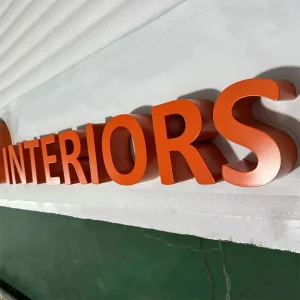
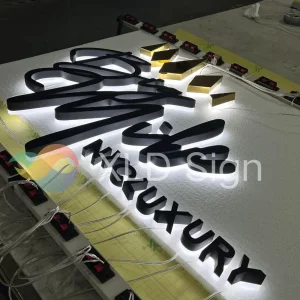
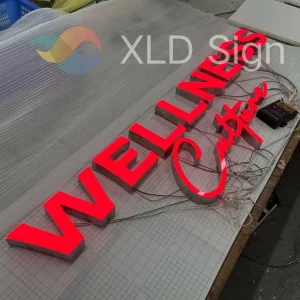
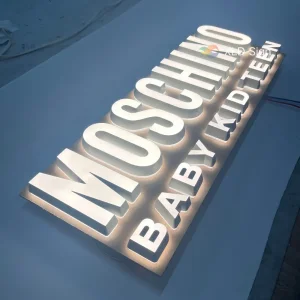
High-quality illuminated and non-illuminated brand identity signage built with industrial-grade materials.
 Xinliangdian