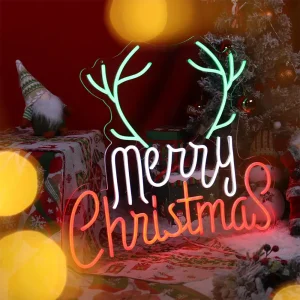
Explore our custom-engineered neon installations across Tokyo's premier commercial hubs, including Christmas seasonal installations, high-aesthetic cafe signs, and luxury salon brand displays.
Tokyo stands as a global monument to light. From the incandescent canyon of Shinjuku's Kabukicho to the high-end, softly backlit facades of Ginza, architectural lighting defines the commercial identity of Japan’s capital. Historically, the neon landscape was dominated by traditional cold-cathode glass neon tubes. While aesthetically historic, traditional gas-discharge neon presents severe drawbacks in the modern urban landscape: operating voltages exceeding 10,000V, extreme vulnerability to seismic activity (a crucial factor in Japan), high power consumption, and environmental hazards associated with mercury vapor and lead-glass.
Today, Tokyo’s metropolitan architectural codes, combined with Japan’s strict energy conservation policies (following the 2011 energy-grid adjustments and the national commitment to carbon neutrality), have catalyzed a shift toward Solid-State Electroluminescent Systems—commonly referred to as LED Faux Neon and Acrylic Channel Lettering. As a leading manufacturer supplying Tokyo and the global market, we customize advanced LED neon systems that deliver the exact visual signature of glass neon while operating at ultra-safe, low-voltage 12V or 24V DC configurations.
"According to the Tokyo Metropolitan Bureau of Environment's energy reduction guidelines, shifting commercial storefront signage from high-voltage neon gas systems to high-efficiency LED alternatives reduces ambient power consumption by up to 78% and extends maintenance cycles from 2 years to over 8 years."
Deploying architectural signage in Tokyo requires strict adherence to local laws. Unlike many international markets where UL or CE markings suffice, Japan enforces the Electrical Appliance and Material Safety Act (PSE Mark). Any external power supply unit (PSU) or integrated LED sign system used in commercial environments must be certified to meet PSE standards to prevent electrical hazards and fires.
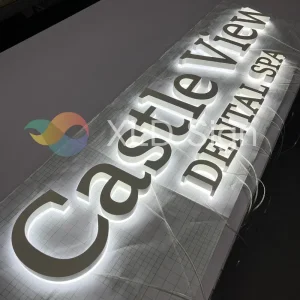
Additionally, high-rise exterior installations in areas like Minato-ku or Chiyoda-ku must comply with the Building Standards Act of Japan regarding structural wind loads. Our custom stainless steel and acrylic channel letter systems are engineered to withstand typhoons (designed to handle wind pressure structures up to 60m/s) and seismic accelerations. We integrate Japanese-specified Mean Well PSE-certified drivers, ensuring seamless integration into the building’s structural and electrical control systems.
Engineered with flexible polymers and lightweight structural backings designed to withstand Japan's high-frequency seismic vibrations without rupture.
Equipped with Japanese electrical safety certified power supplies, meeting all METI (Ministry of Economy, Trade and Industry) standards.
Protected with IP67-rated silicone extrusions, preventing moisture ingress during extreme typhoon events and high humidity periods.
Configured with high-bin LED chips boasting an L70 lifetime rating of over 50,000 operating hours, reducing maintenance overhead.
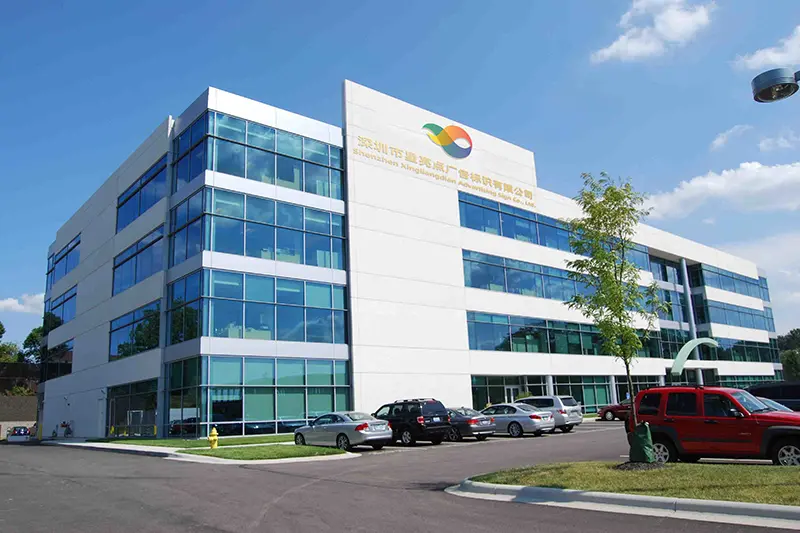
We operate a state-of-the-art manufacturing facility covering an area of more than 3,000 square meters, backed by over 25 years of specialized production experience in the commercial advertising sign and architectural facade industry. Over the past two decades, we have evolved from a traditional metal fabrication workshop into a digitally-driven, AI-integrated signage manufacturer, blending physical engineering with computer-aided lighting design.
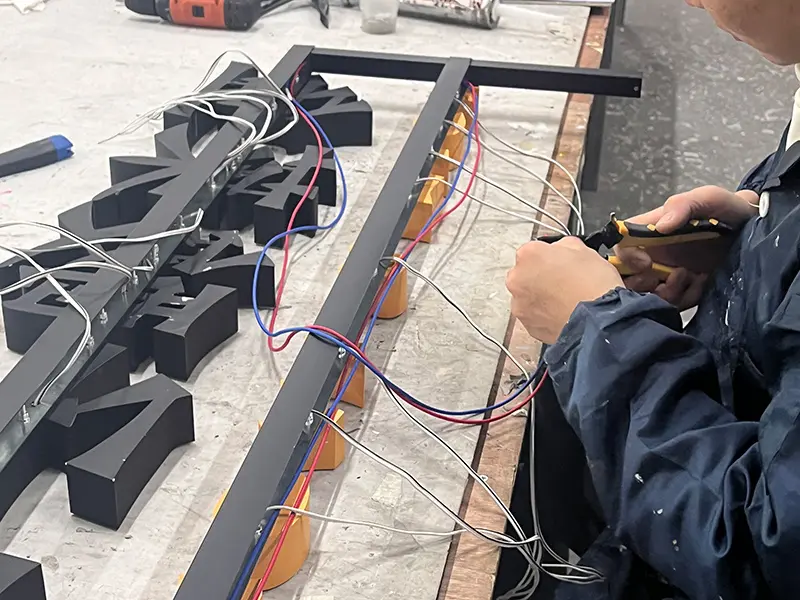
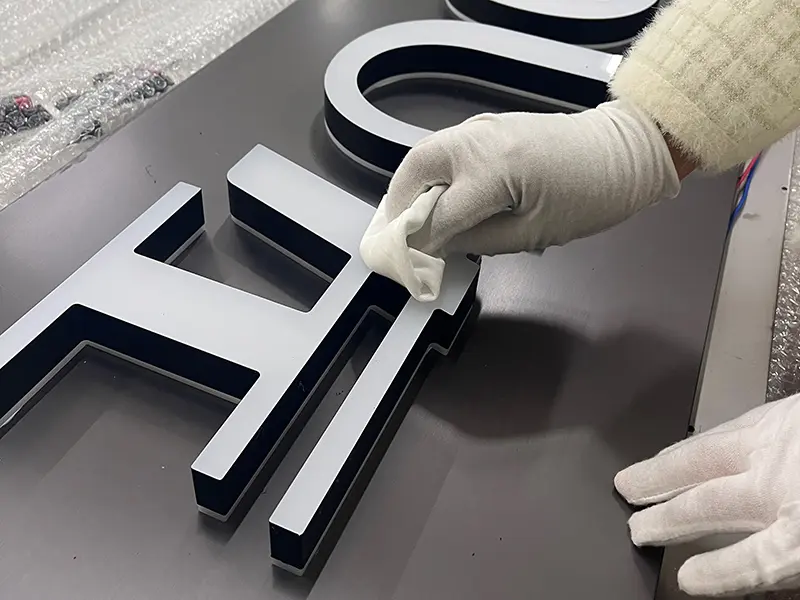
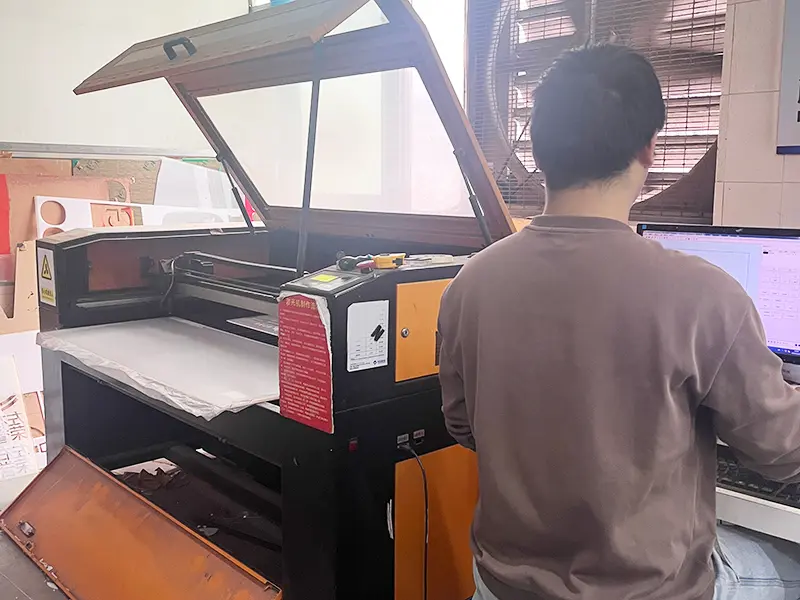
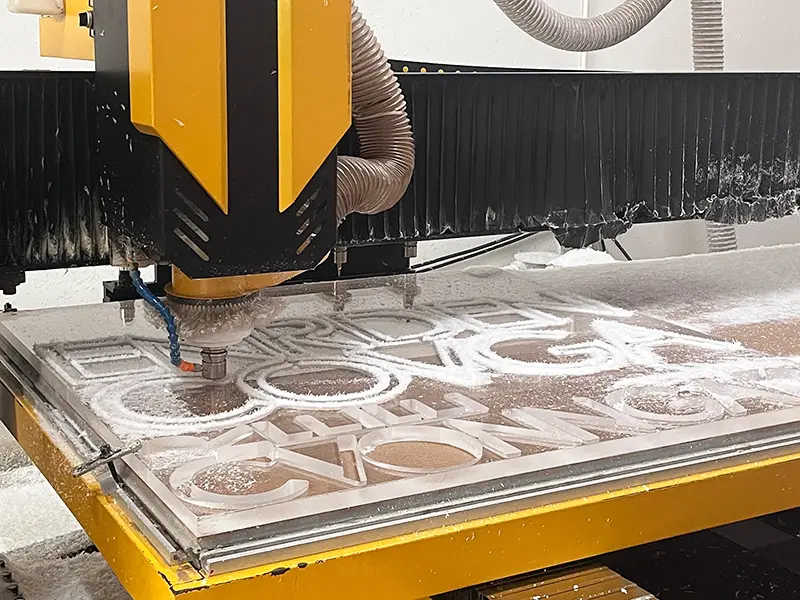
Our facility houses advanced machinery including high-precision multi-axis CNC routers, automated laser cutting tables, vacuum forming machines, and robotic metal channel benders. This allows us to supply everything from delicate tabletop faux neon to structural architectural channel letters for commercial skyscrapers.
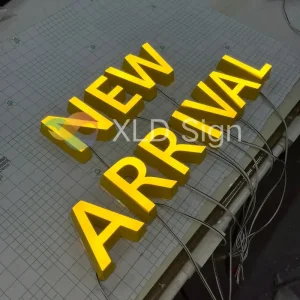
LED Backlit Letter Signs, LED Frontlit Letter Signs, Dual-Luminous (Front & Back) Letter Signs, Non-illuminated Architectural Metal Lettering, Custom Acrylic Light Boxes, Aesthetic Faux Neon Signs, and complex mechanical marquee installations.
Our engineering rigor is verified by global compliance authorities. We produce signs that strictly comply with international electrical safety, environmental, and structural regulations.
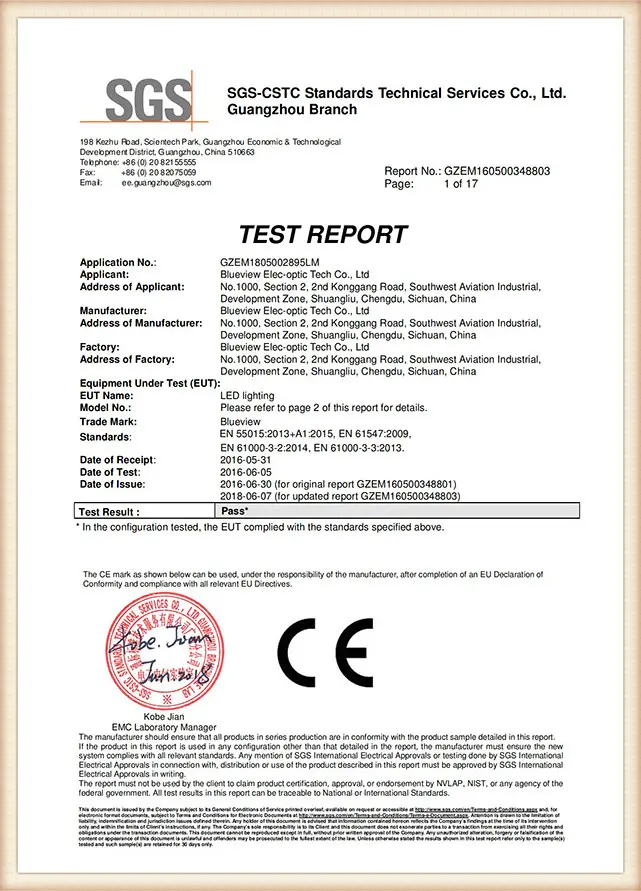
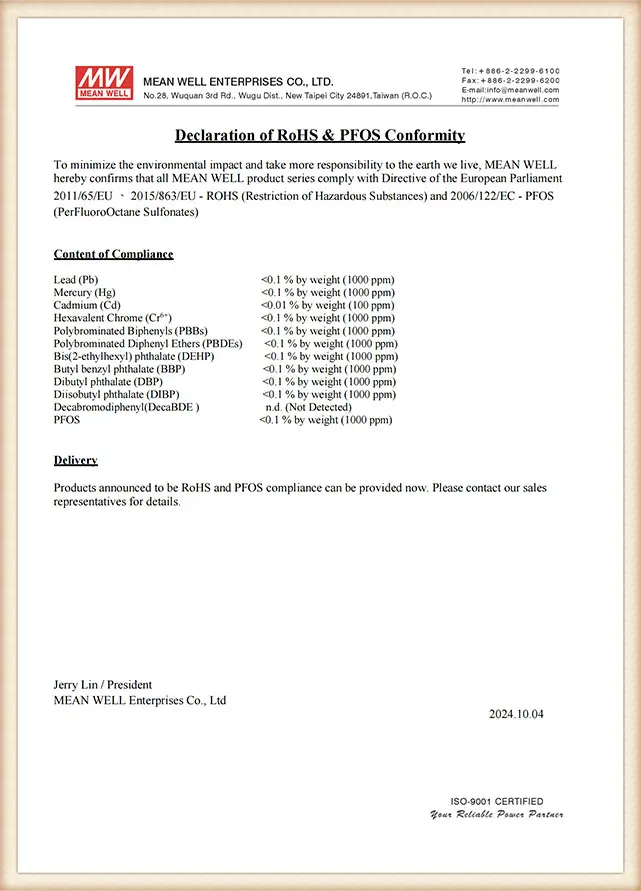
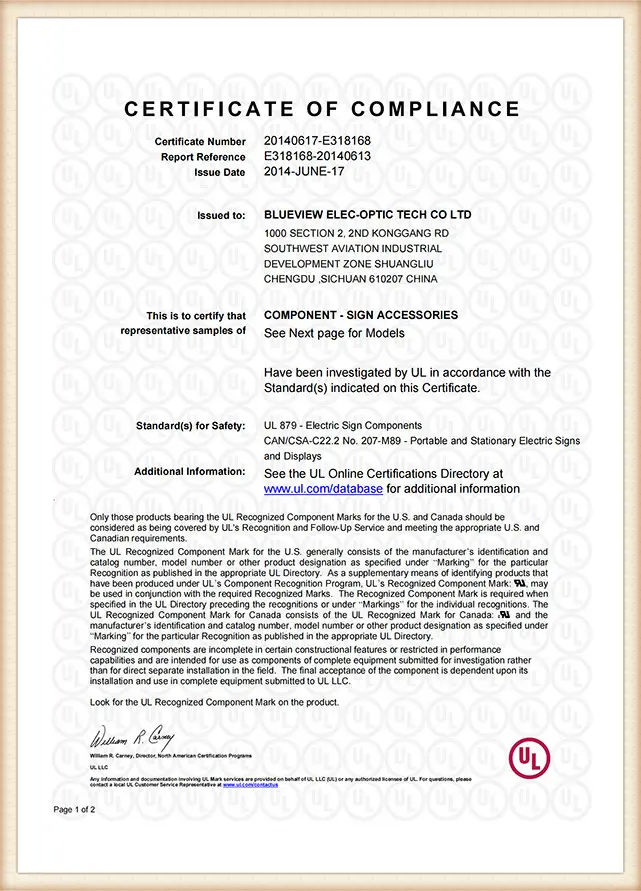
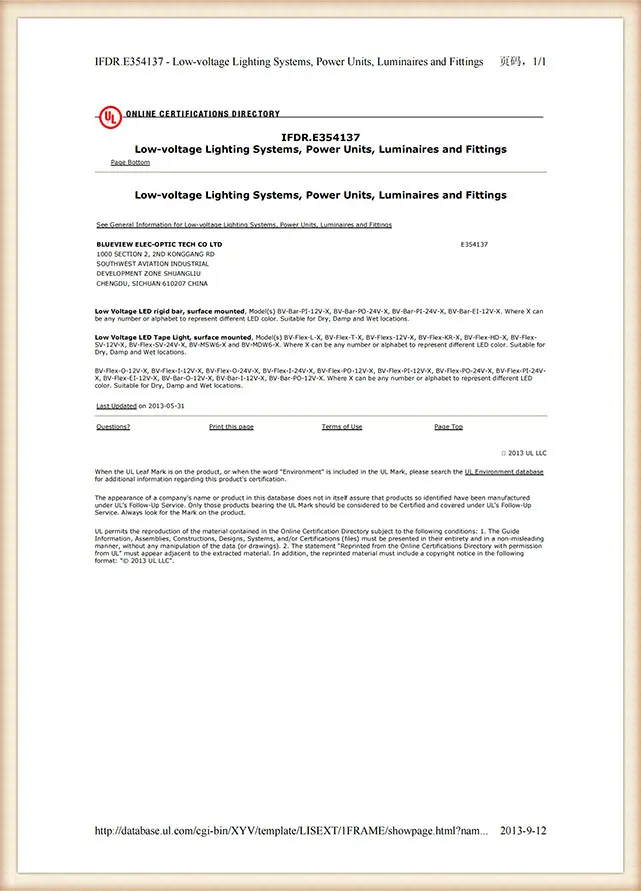
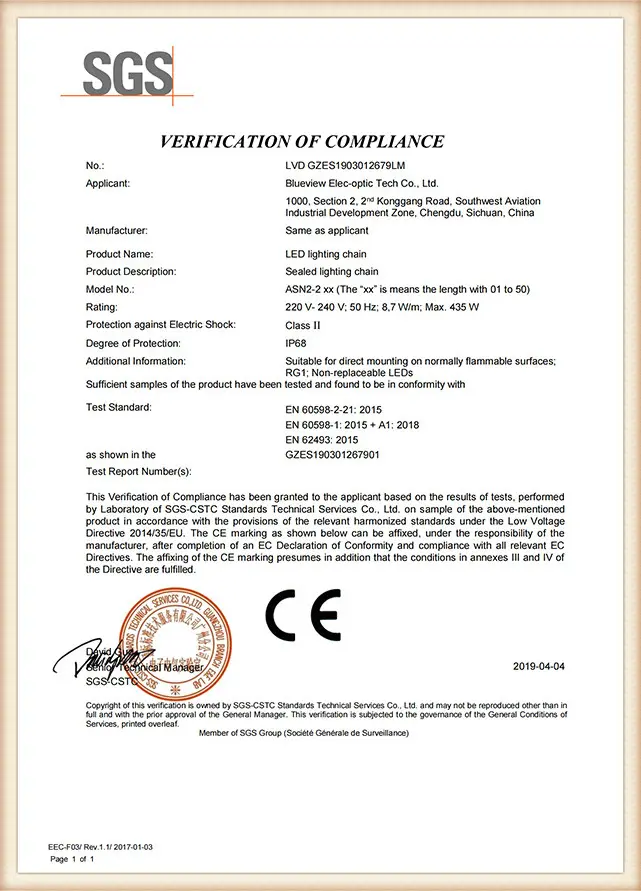
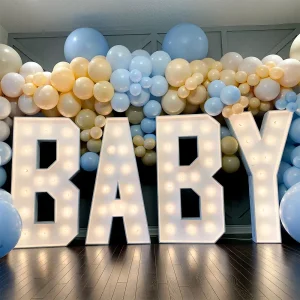
High-performance structural signage designed for premium corporate installations, boutique cafes, and wedding venues in Shinjuku and Roppongi.
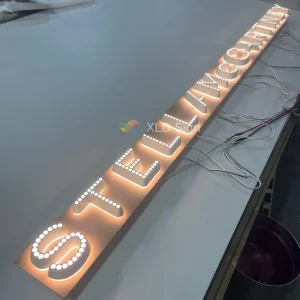
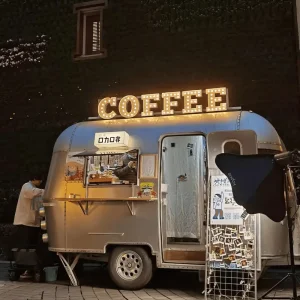
To maintain visual parity with classic neon and meet the strict durational criteria of architectural projects, we have pioneered the use of optical grade silicone polymer extrusion. Traditional faux neon manufacturers rely on PVC (Polyvinyl Chloride). However, under direct solar ultraviolet (UV) exposure—such as that experienced by external signage on multi-story retail locations in Tokyo—PVC degrades quickly, exhibiting yellowing, brittleness, and loss of light transmittance within 12 to 18 months.
Our proprietary silicone extrusion material features a high-density molecular matrix that provides exceptional thermal stability (-40°C to +150°C), superior UV resistance, and excellent light diffusion. This achieves a completely dot-free, seamless glow mimicking gas-discharge glass. Internally, we configure our neon strips with double-layered, 3oz flexible copper printed circuit boards (FPCBs), which optimize heat dissipation and prevent localized voltage drops over long continuous runs.
The future of Tokyo visual marketing lies in interactivity and kinetic displays. Moving away from static installations, modern commercial centers like Shibuya Crossing utilize signs that synchronize with ambient sound, change color profiles based on real-time weather feeds, or shift patterns at different times of the day.
We offer advanced DMX512 and addressable SPI integration. Each neon sign or channel letter unit can be partitioned into digital pixels, allowing our engineers to program complex lighting transitions, waves, and dimming curves via software or AI-driven central building systems. This maximizes dynamic brand engagement without compromising reliability.
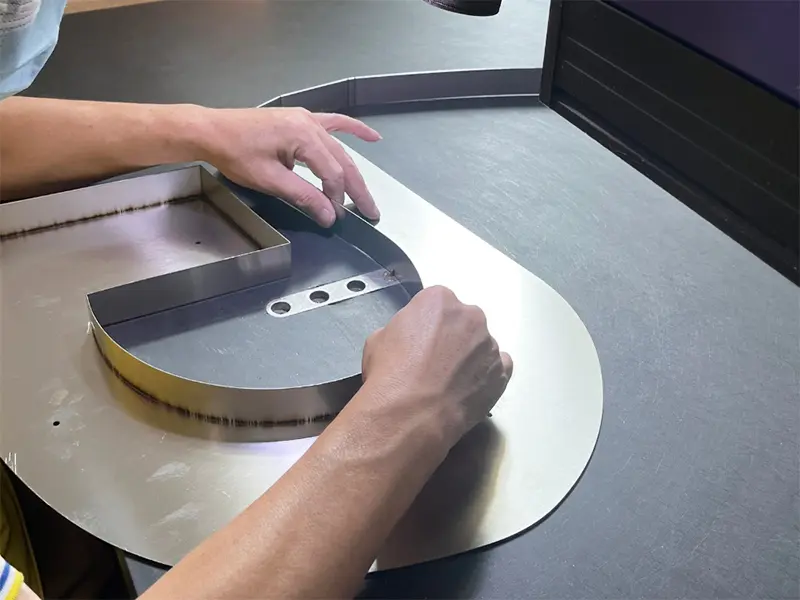
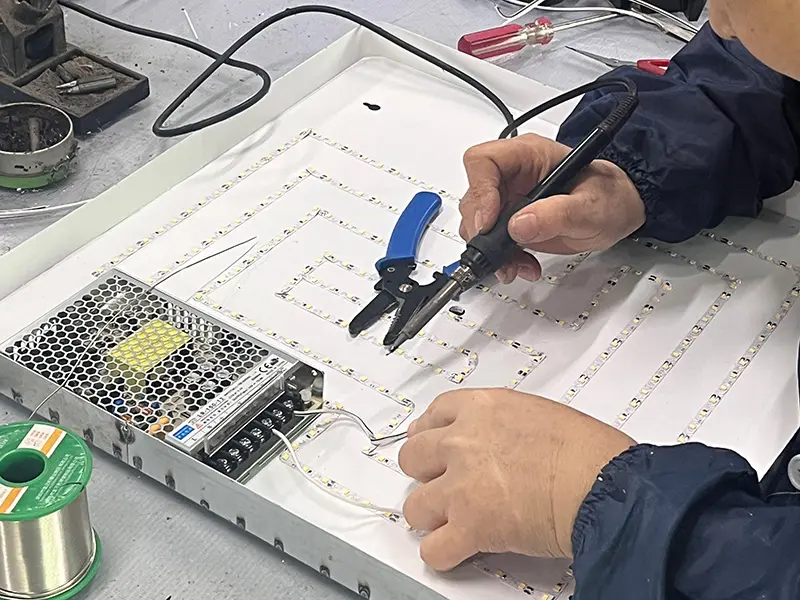
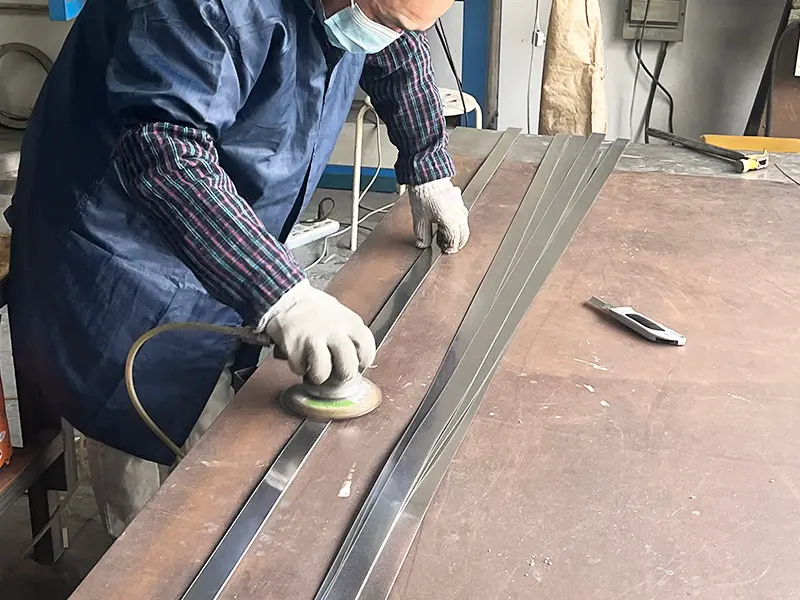
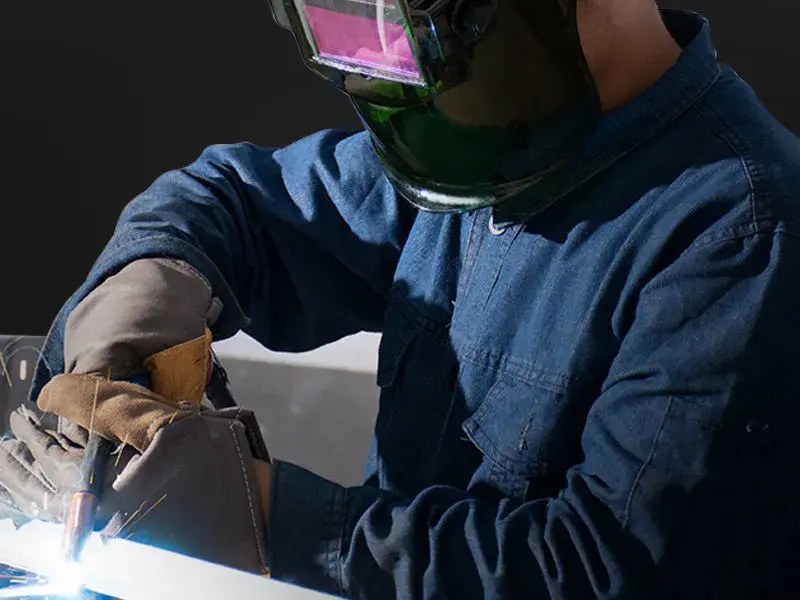
Explore our automated fabrication departments where heavy machinery and hand-craftsmanship merge to produce highly customized architectural displays.
Eliminating intermediate agency commissions. Direct pricing ensures maximum allocation toward structural material quality and high-grade LED chips.
Every sign undergoes a mandatory 48-hour continuous thermal and electrical stress-test, ensuring seamless functionality upon arrival in Japan.
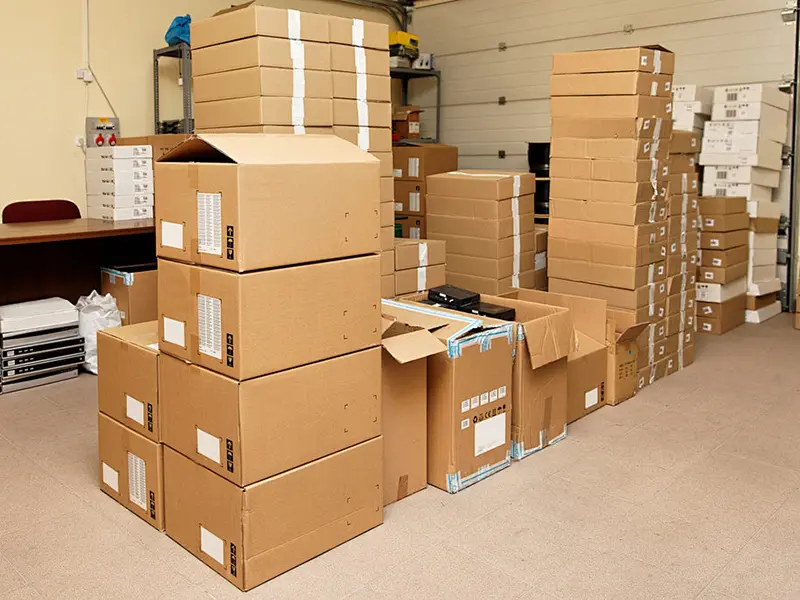
From initial CAD layouts, electrical configuration engineering, and local regulatory evaluation to custom fabrication and protective packaging.
Enabling design firms and construction contractors in Tokyo to custom-brand mechanical housings, backing structures, and connector configurations.
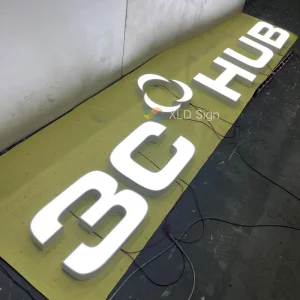
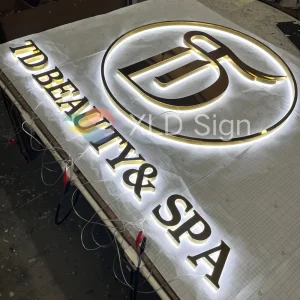
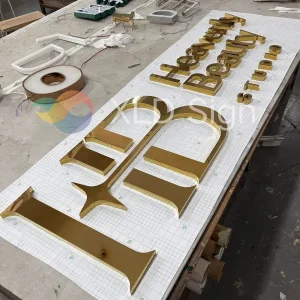
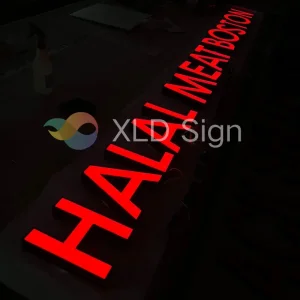
Select from our certified range of metallic, acrylic, and illuminated signs customized for Tokyo's dynamic business environment, designed with compliance and structural durability.
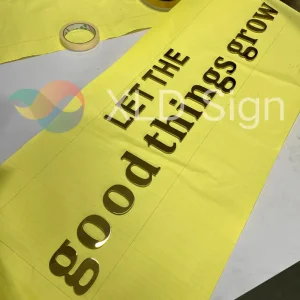
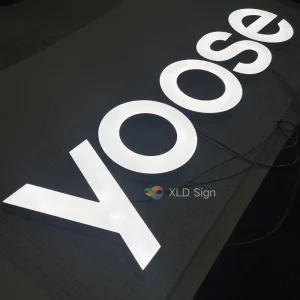
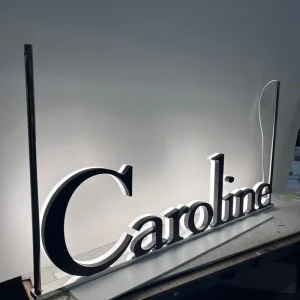
Get professional answers about technical specifications, local Tokyo compliance, material properties, and customization possibilities.
Traditional glass neon operates using high-voltage transformer gas ionization, demanding significant electrical power (often 35W-60W per meter) and generating elevated voltage hazard levels. Furthermore, the glass tubes are fragile and risk leaking toxic gas when ruptured. Our LED faux neon uses solid-state semiconductor diodes encased within a highly flexible, optically clear silicone polymer. It operates on 12V or 24V DC, cuts electrical draws by over 70%, operates with zero risk of shock or shattering, and is fully compatible with smart DMX controllers.
All sign systems destined for deployment in Japan are supplied with premium, certified Mean Well power supply units bearing the official PSE Mark. Prior to packaging, our quality control team tests the electrical loop configuration of each custom sign to ensure it matches the Japanese electrical frequency grid (50Hz in Tokyo/East Japan, 100V mains).
Yes. Our external signs, including stainless steel channel letters and acrylic backings, are manufactured using rigid marine-grade 316 stainless steel, heavy-gauge aluminum, or high-impact structural acrylic. Mountings and anchoring channels are calculated based on structural wind speed guidelines (complying with standard Japanese Building Codes up to 60m/s). The solid-state design of LED components ensures that seismic vibrations cannot cause internal component failures or glass ruptures.
Polyvinyl Chloride (PVC) quickly degrades under solar ultraviolet (UV) radiation, leading to yellowing, embrittlement, and reduced light diffusion within a short timeframe. In contrast, our optical-grade silicone is UV-stable, maintaining its high-transmittance diffusion properties and color integrity without yellowing. Silicone also remains flexible in freezing temperatures and won't soften or wrap under high summer temperatures (rated from -40°C to +150°C).
Following direct file sign-off (CAD blueprints and electrical schematic approval), production takes approximately 7 to 10 working days. We coordinate express air-freight logistics straight to Tokyo, typically delivering within 3 to 5 business days, ensuring seamless alignment with local store opening schedules or project completion milestones.
Yes, our design and engineering departments work directly with industry-standard formats including DXF, DWG, AI, and PDF. We can map out precise structural mounting templates, wiring layout requirements, and driver positioning schematics to simplify on-site installation for your electrical subcontractors in Tokyo.
 Xinliangdian